Working-class fashion in the 1920s relied on tweed and wool because they handled daily wear, and fabrics came in patterns and colors that hid wear and matched easily.
The choice between casual wear, knickerbockers or a newsboy cap with overcoat comes down to what you’re dressing for: a day off, physical work or something that needs to carry from work into evening.
1. Casual Wear
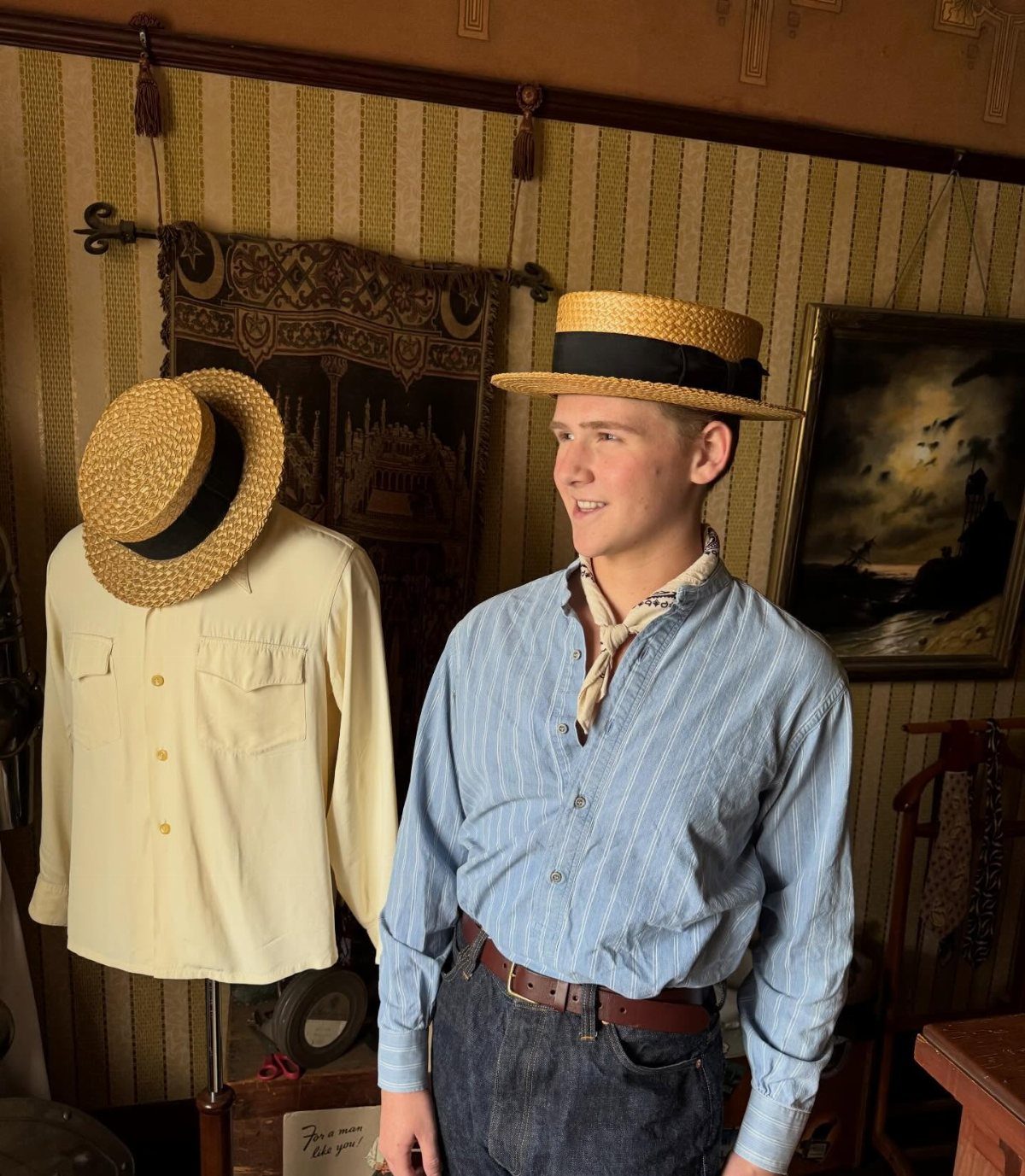
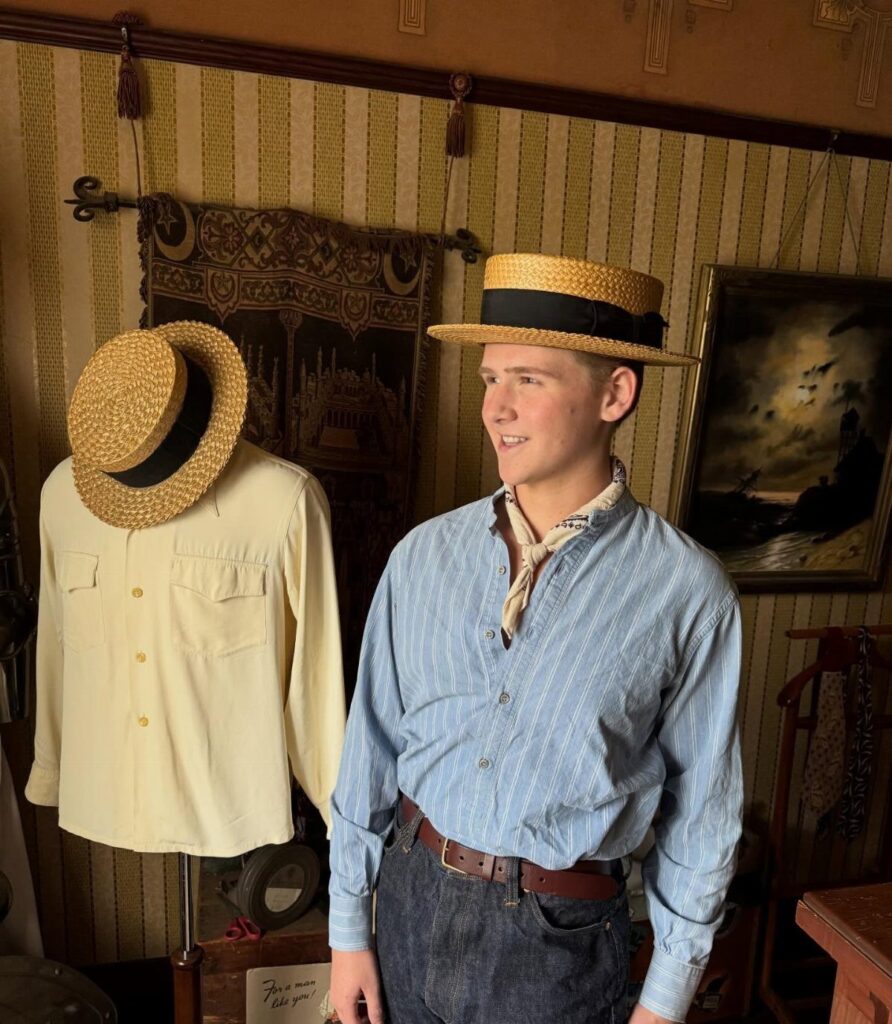
A straw boater, striped shirt and neckerchief make a simple weekend outfit that skips the structure of a full suit.
The boater stays light and keeps the sun off without adding weight, while the neckerchief gives the shirt a finished look without a collar or tie.
Striped shirts in blue or cream work better than plain white because they read casual but still deliberate. Pair them with dark or neutral trousers, and the outfit holds together without matching anything closely.
This is about looking put-together on a day off, not dressing down from workwear.
2. Working-Class Knickerbockers Outfit
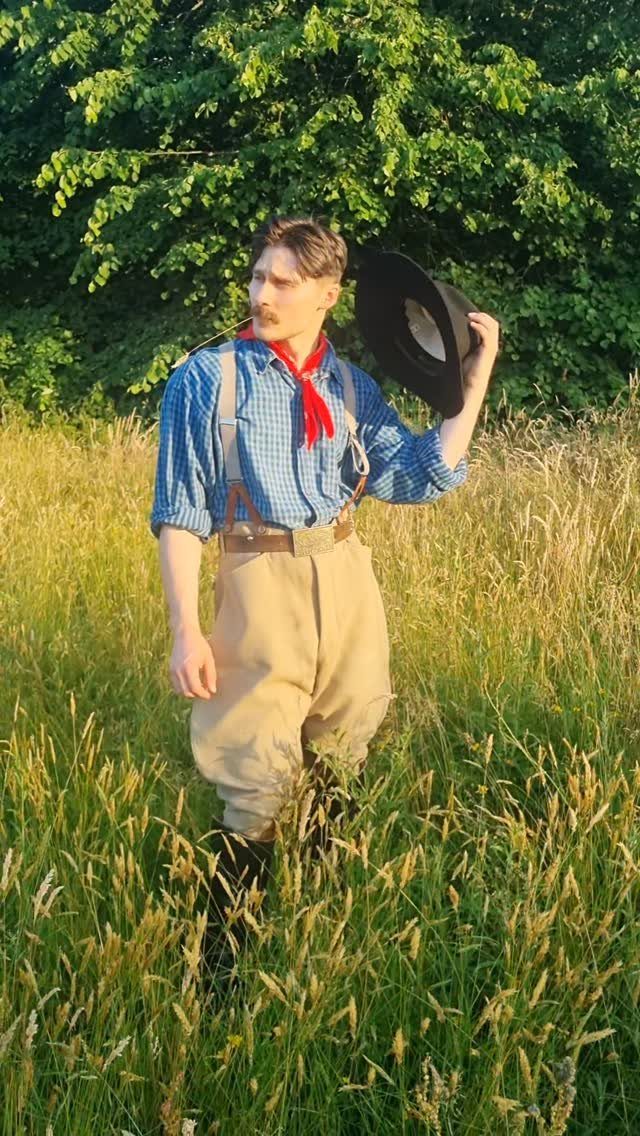
Knickerbockers stop just below the knee and pair with long socks, giving you freedom to move without the bulk of full-length trousers. A checkered shirt in blue, suspenders and a neckerchief keep the look grounded in work clothes, not costume.
The fit matters more than the pattern. Knickerbockers that sit too loose or too tight both fail, so get the waist and knee right before worrying about color.
Suspenders do the job of a belt and keep the shirt tucked without constant adjustment. Add a flat cap or leave it off depending on the weather.
3. Newsboy Cap with Overcoat
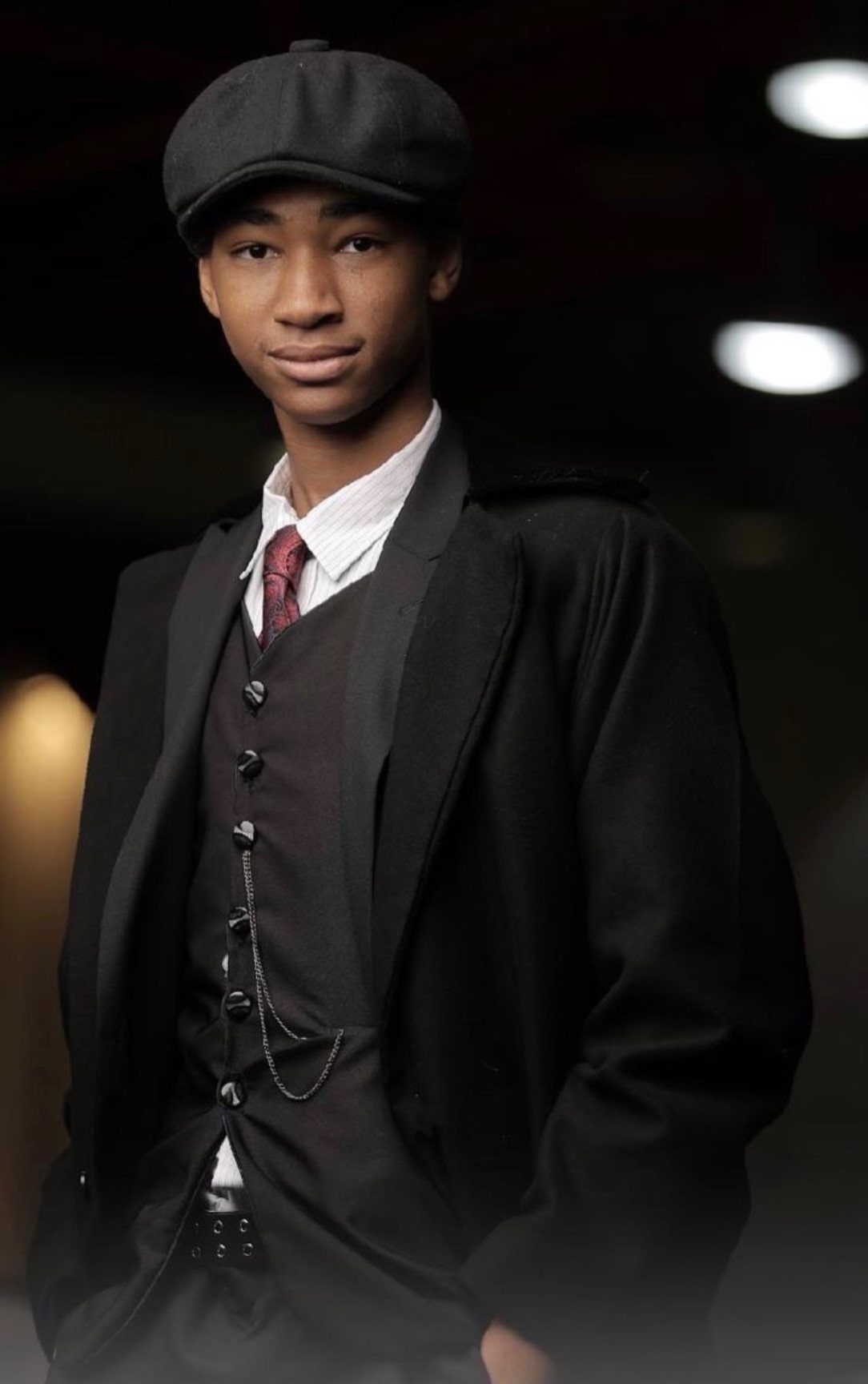
A newsboy cap, overcoat and waistcoat with a pocket watch chain layer enough pieces to look finished without overdoing it. The cap keeps the profile low and casual, while the waistcoat adds structure under the coat.
A dark overcoat in wool or tweed works year-round if the weight is right, and a collared shirt with a tie finishes the neckline without looking formal.
The pocket watch chain is functional detail, not decoration, so wear it only if you carry the watch.
This outfit moves between work and evening without changing anything.
Fabric Choices
Tweed and wool both handle daily wear better than most lighter fabrics, and they hold their structure through the workday.
Wool keeps you warm when it’s cold and breathes when it’s not, so a single weight can cover most of the year if you pick something in the middle range.
Tweed adds texture and hides dirt better than plain weave, which matters when you’re washing less often. Look for something tightly woven rather than loose or fuzzy, because tighter weaves last longer and resist snagging.
Cotton shirting works for warm weather, but it wrinkles fast and shows sweat, so darker colors or stripes handle that better than white.
Linen was too expensive for most working men in the 1920s, so stick with cotton or wool blends if you want period accuracy.
Color and Patterns
Plaids and stripes both break up the fabric in a way that makes cheaper cloth look more deliberate, and they give you pattern without needing embroidery or detailing that costs extra.
Stripes run vertical on shirts and keep the look clean, while plaids on trousers or knickerbockers add interest without clashing.
Color stayed muted for most working men: navy, gray, brown and cream show up more often than bright tones because they hide wear and match easily.
A bold stripe in blue or a checkered shirt in 2 contrasts was about as far as most outfits went.
Patterns also let you mix pieces without worrying about exact dye lots, so a striped shirt and plaid trousers could come from different places and still look intentional together.