Formal tailcoats with cropped front hems anchor one end of the range, while plaid knickerbockers and striped waistcoats open up lighter options for outdoor wear and warmer months.
Your choice depends on whether you need evening formality or daytime practicality: embroidered silk waistcoats and high collars suit indoor occasions, while tweed three-pieces and patterned vests handle walking and cool weather.
Vertical stripes on a waistcoat or trousers help if your torso is short or your legs need lengthening.
1. Tailcoats
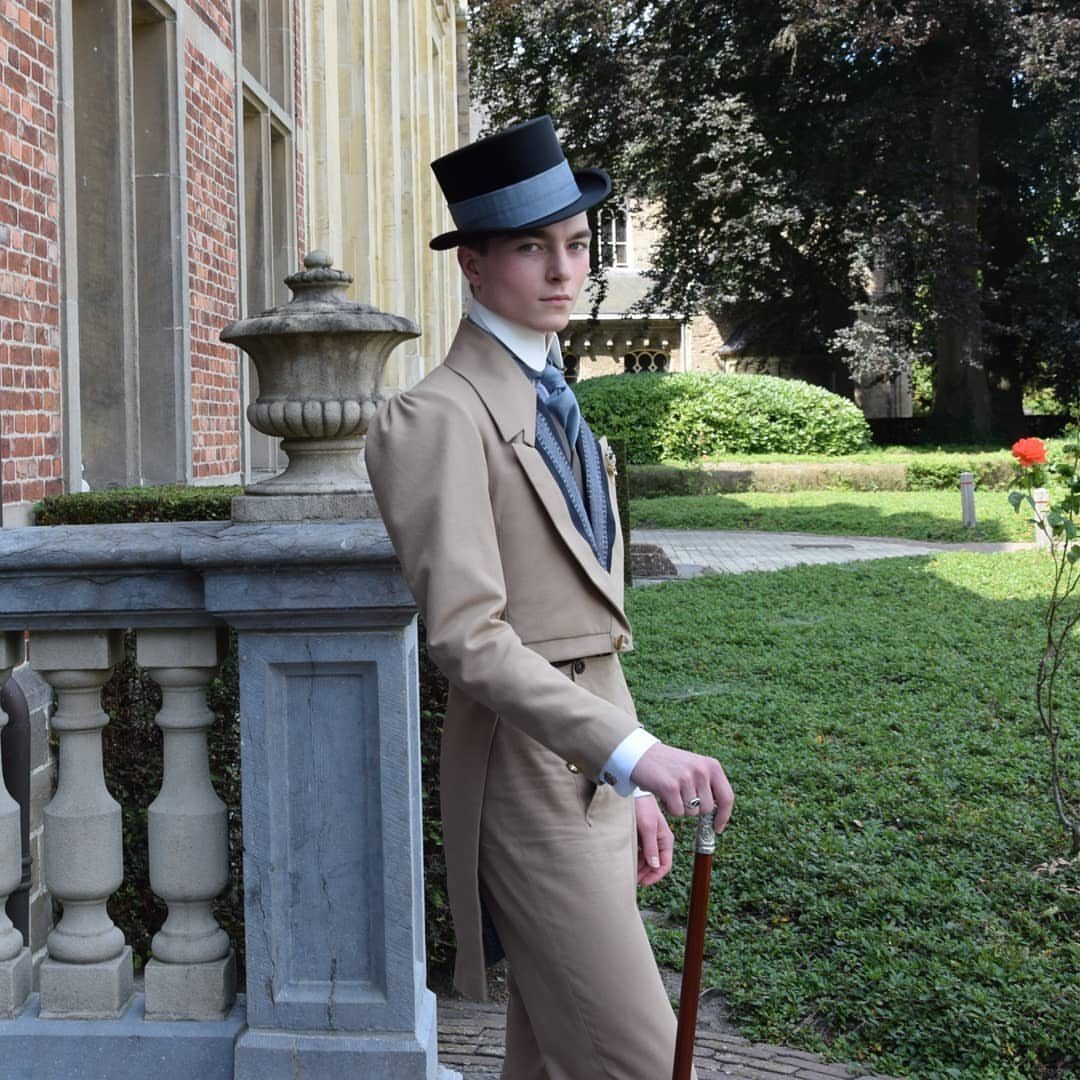
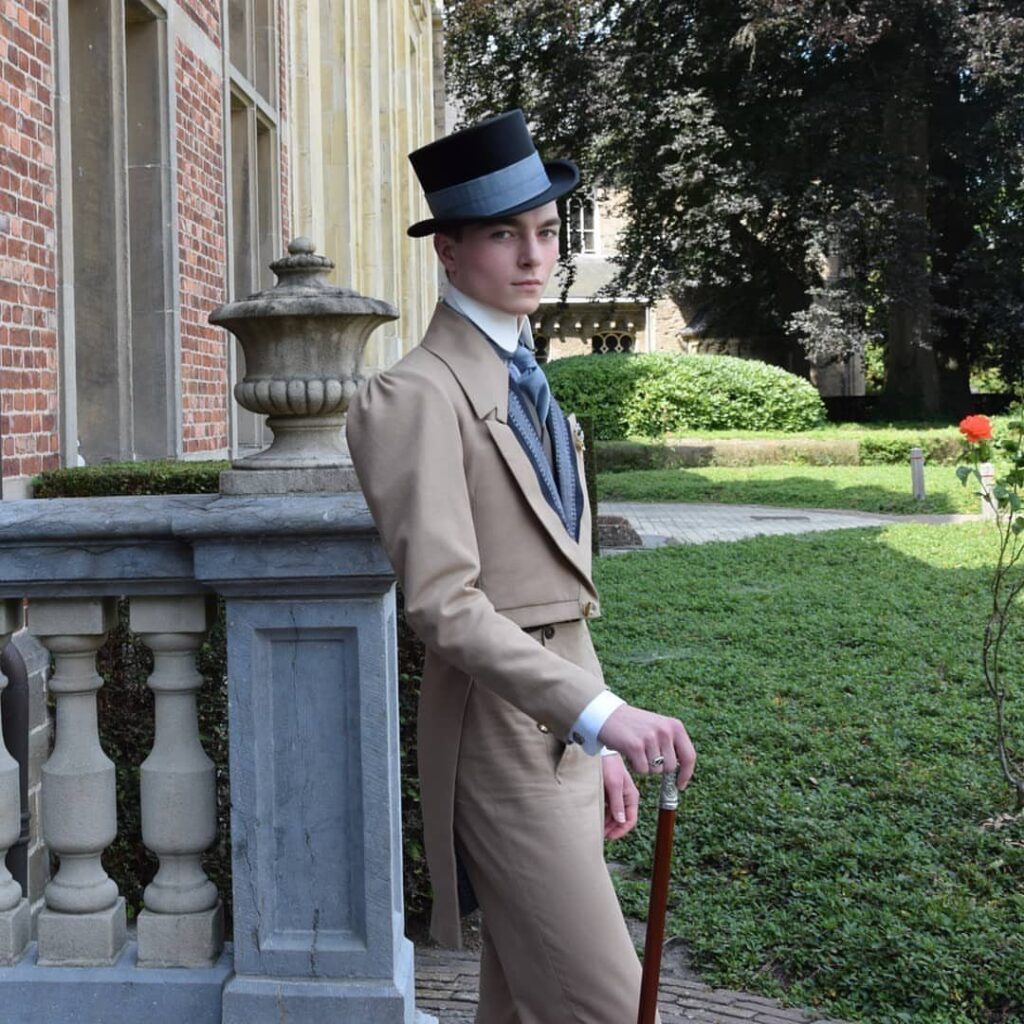
The tailcoat runs long in back with a cropped front hem that stops at the waist, giving formal 19th-century outfits their recognizable silhouette. Paired with a high shirt collar and simple tie, the cut looks sharp without needing much adjustment.
A tan or dark wool works for most occasions where you want the period look. The cane and top hat finish the outfit, though the coat holds up fine on its own if you skip them.
2. Boater Hat with Dark Tailoring
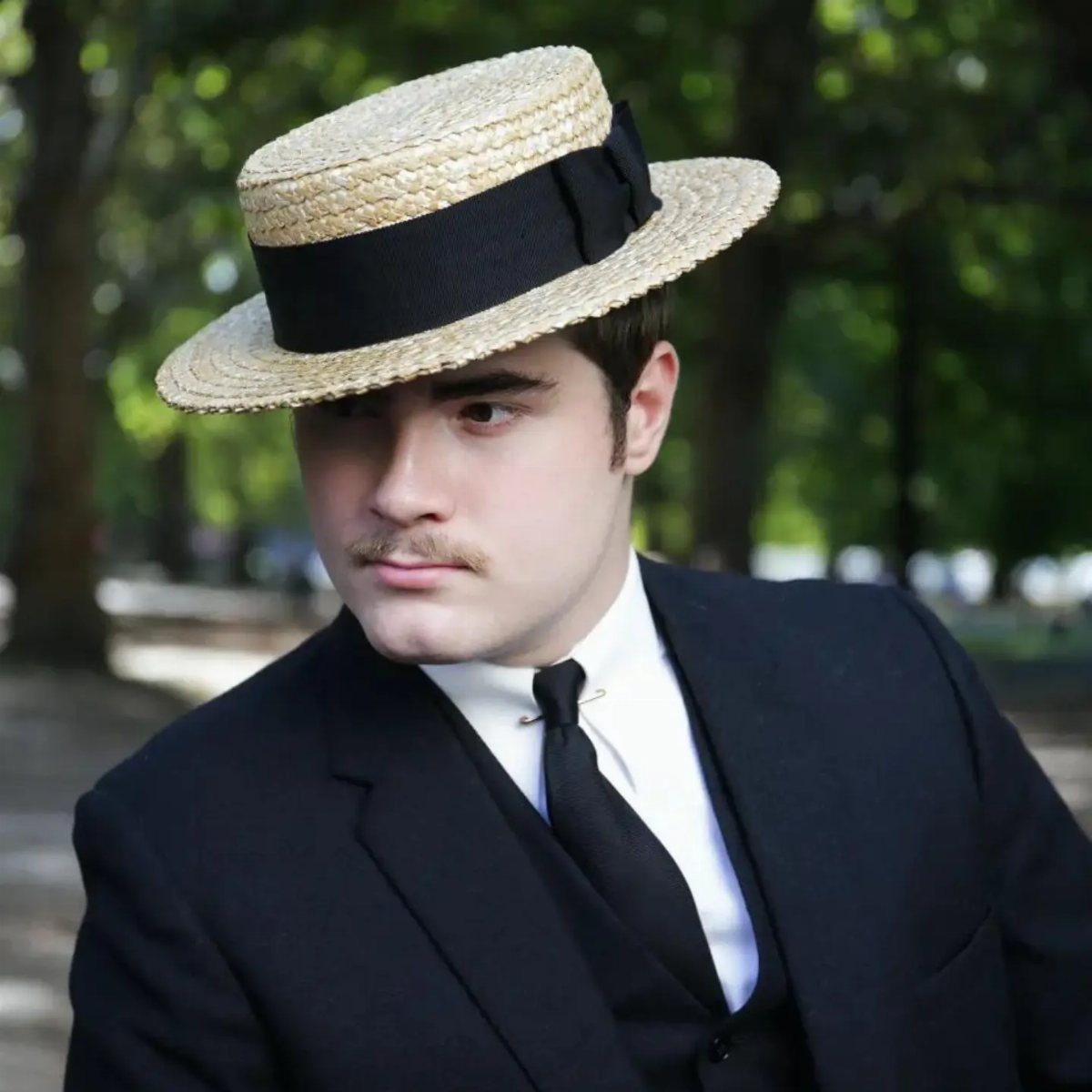
A straw boater hat paired with dark suiting balances formality with a lighter summer feel. The flat crown and short brim kept things practical in warm weather while still reading as dressed up, and that contrast still works.
Black or charcoal three-piece suits anchor the boater without competing.
Keep the shirt white and the tie narrow. The hat sits level, not tipped back.
3. Striped Waistcoat with Dress Shirt
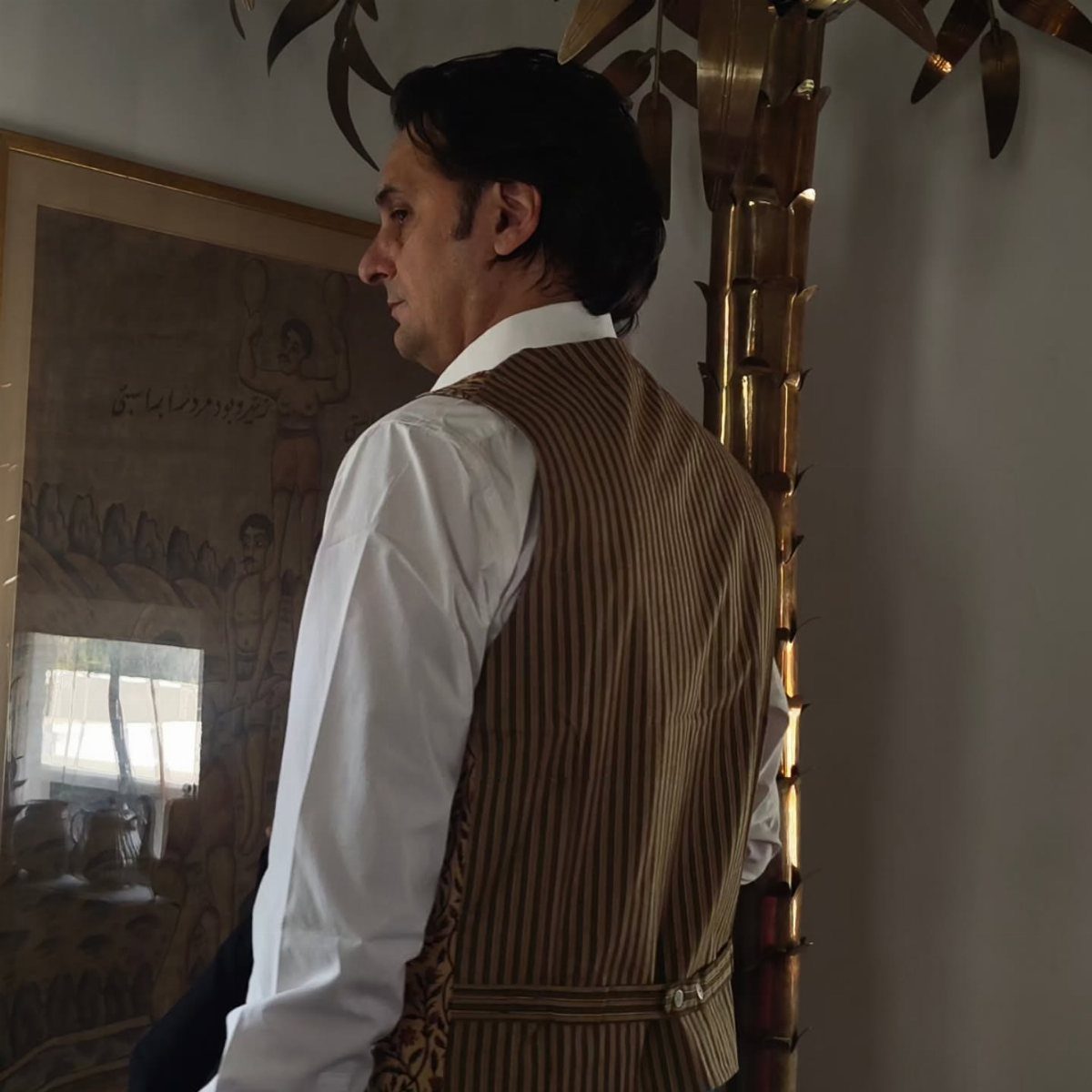
Vertical stripes on a waistcoat add pattern to a simple dress shirt without needing a jacket. Brown, burgundy or gray stripes in a narrow gauge hold the restraint, and the vest’s high button stance covers most of the shirt.
Skip the tie if the collar stands high enough on its own.
This works as a lighter indoor outfit or under a coat when you need more formality. The stripes pull the eye up, which helps if your torso is short.
4. Three-piece Tweed Suit
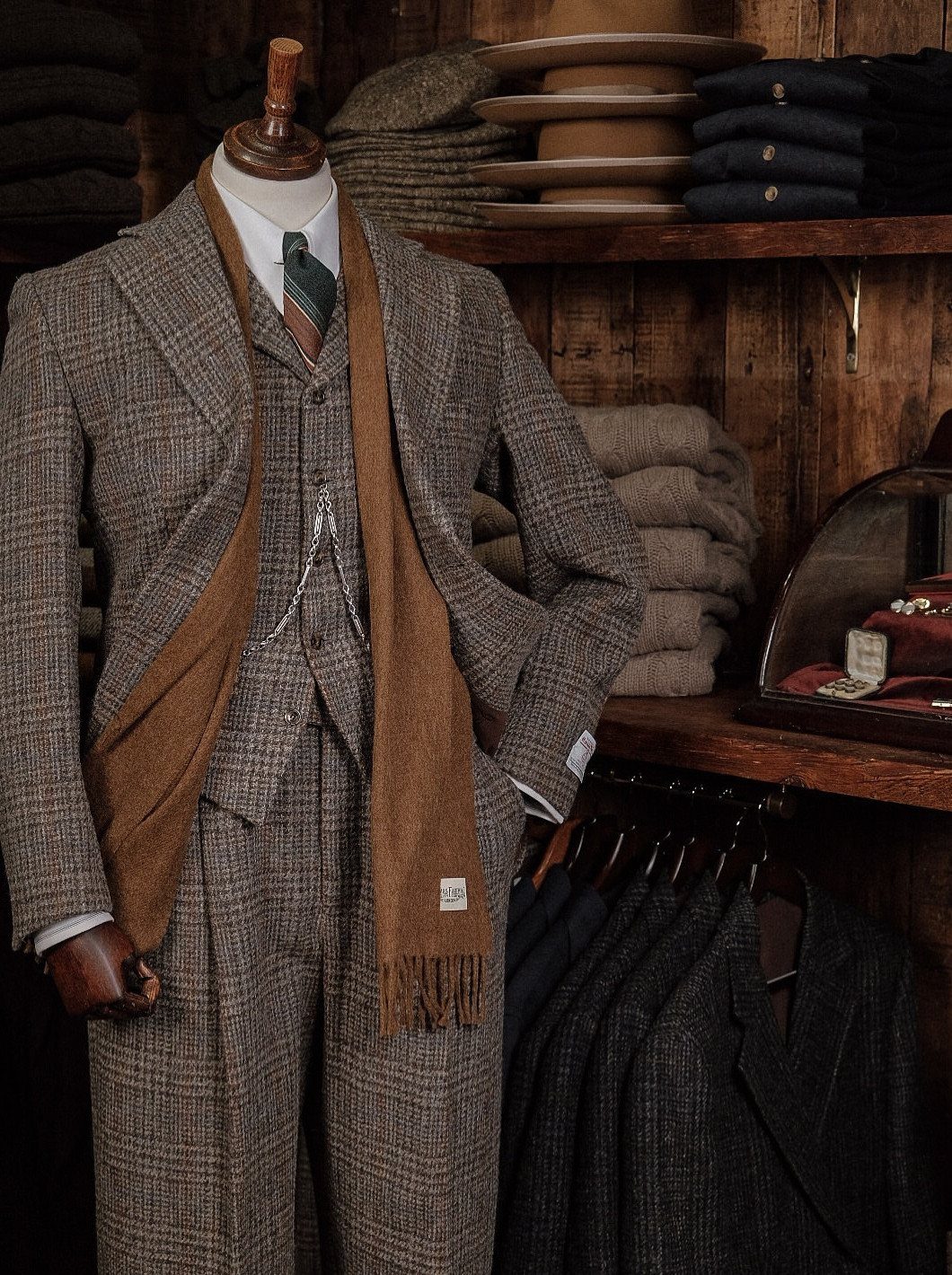
A three-piece tweed suit in matching fabric reads as cohesive and structured, with the waistcoat adding warmth and a place for a pocket watch chain. Brown or gray tweed in a medium weight handles cool weather without bulk.
The jacket’s slightly longer cut and the vest’s lapels give the outfit more visual layers than modern tailoring. Pair it with a coordinating scarf or tie in a solid color to keep the focus on the texture of the cloth.
5. Embroidered Silk Waistcoat
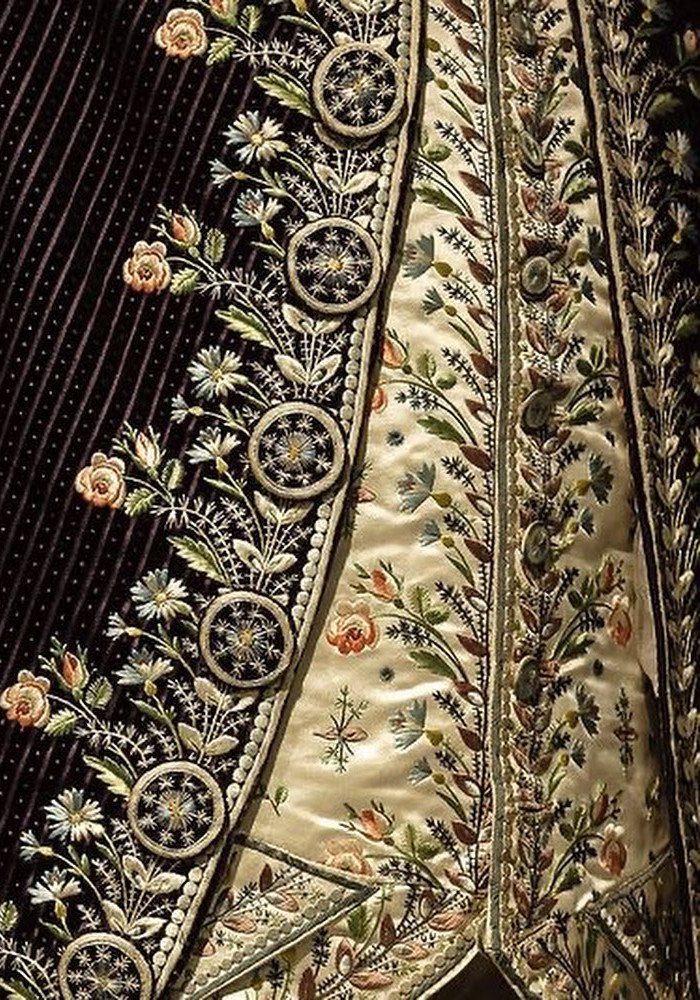
Silk waistcoats with floral embroidery turned formal outfits into showpieces, and a well-preserved one still does that. The stitching usually runs across the front panels in a repeating pattern, with satin or velvet backing adding structure.
Purple, teal and cream are period-accurate colors.
The round buttons are often brass or covered in matching fabric. This works best as the centerpiece under a dark jacket, not on its own, since the embroidery reads formal rather than casual.
6. Plaid Knickerbockers Styling
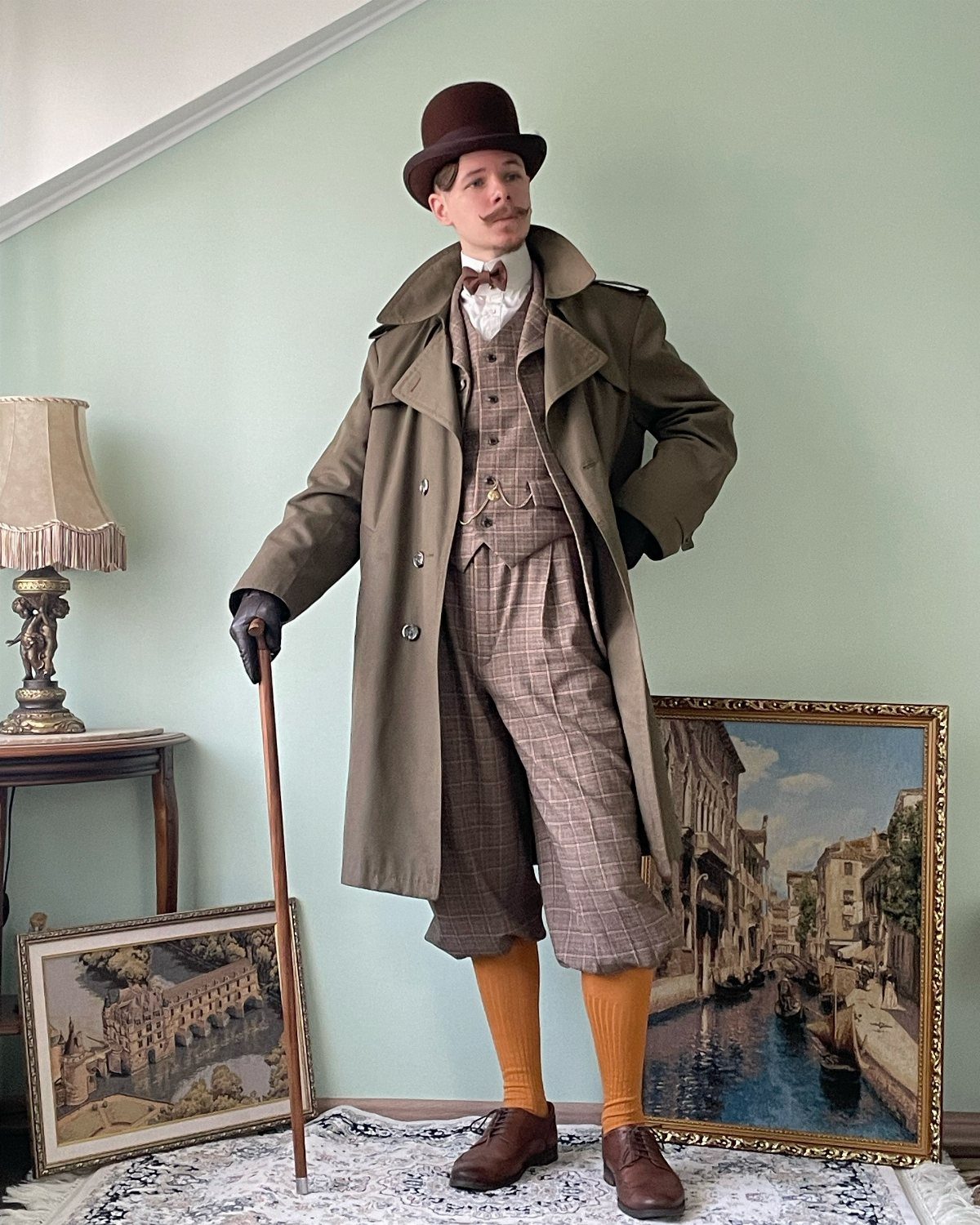
Knickerbockers stop just below the knee and work with tall socks, making them a practical choice for walking or outdoor wear in the 19th century.
Plaid or tweed fabric in brown or gray grounds the outfit, and pairing them with a bowler hat and overcoat adds formality.
The socks can match the coat or pick up a color from the plaid.
Suspenders keep the fit snug at the waist. This outfit reads as casual for the period, so skip it if you need something closer to evening wear.
7. Patterned Vest with High Collar
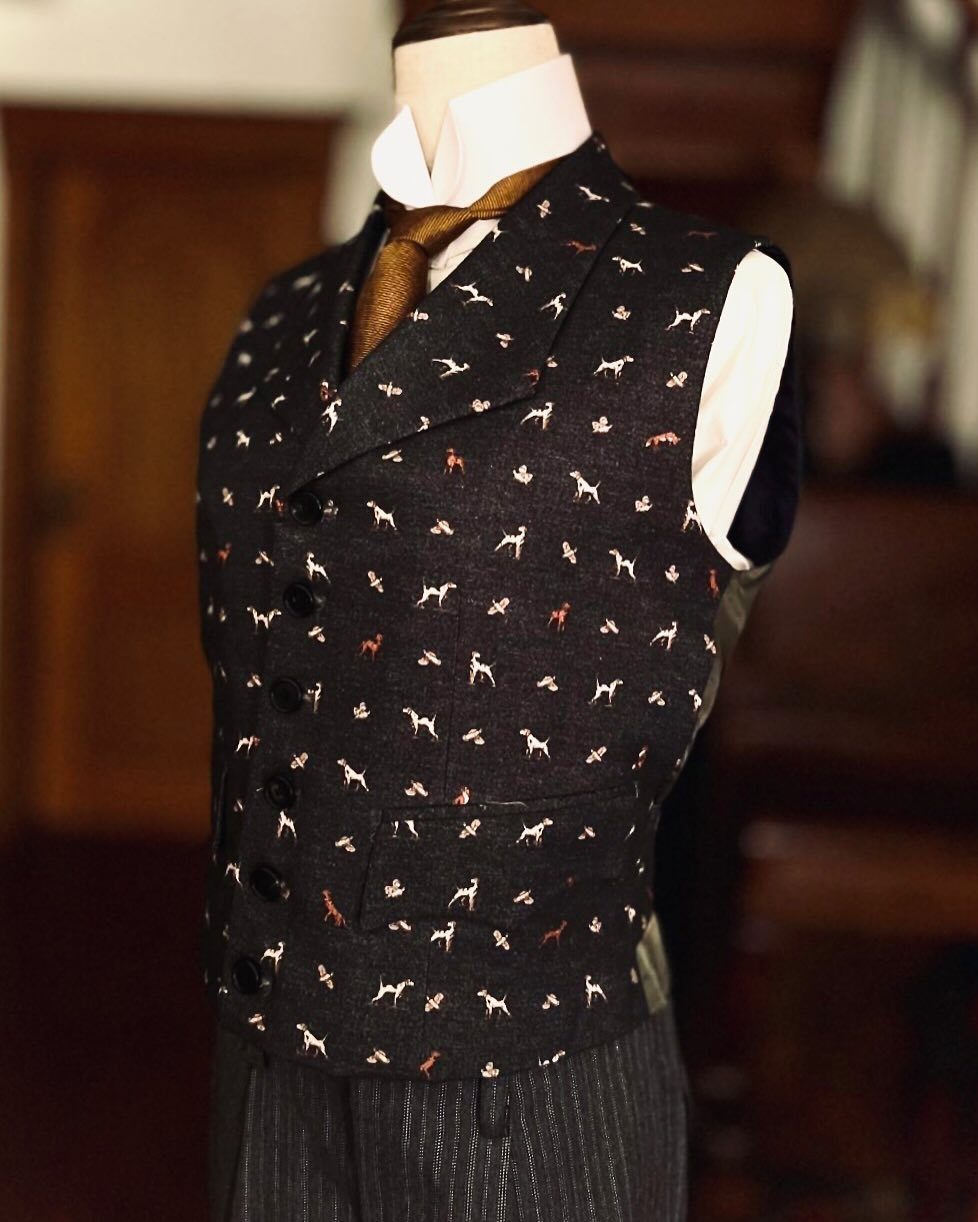
A patterned vest over a high-collar shirt and tie adds visual interest without breaking formality. The dog motif keeps it playful while the dark ground color holds restraint.
Pinstripe trousers balance the pattern and keep the eye moving.
Brown or burgundy ties work better than black, which can feel too severe against the shirt. The high collar removes the need for a jacket indoors.
This suits shorter builds, since the vest ends at the natural waist and the vertical stripes lengthen the leg.
Frequently Asked Questions
What was men’s fashion like in 1810?
Men wore top hats with frock coats in blue or gray, paired with brown or blue waistcoats and light-colored trousers in white or gray pinstripe.
The high collar and cravat completed the formal look, a refined silhouette that would persist well into the next decades.
What is 1900s fashion?
Turn-of-the-century men’s fashion leaned on structured three-piece suits in tweed or wool, often with matching waistcoats and pocket watch chains. Boater hats and bowlers replaced the taller top hat for daywear, while tailcoats stayed the choice for evening formality.