Upscale dress codes range from smart casual knit polo and trousers to black-tie tuxedo with satin lapels, and the setting tells you which end of that range you need.
1. Smart Casual
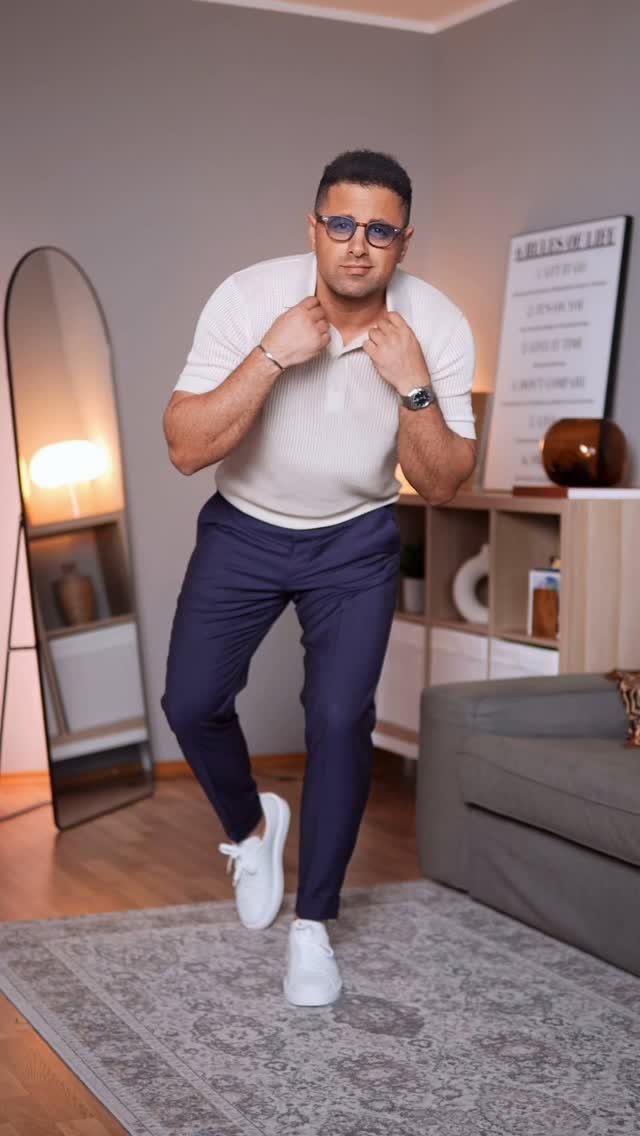
White polo, navy trousers and clean sneakers is a combination you can wear almost anywhere that asks for upscale but not formal.
The polo keeps you looking put-together without the formality of a dress shirt. Navy trousers ground the outfit, and white sneakers lighten it back up without going casual.
This works for weekend plans, summer gatherings and any setting where a shirt feels like too much but shorts feel like too little.
The fit matters more than the pieces: keep the polo trim at the torso and the trousers tapered, not baggy.
2. Business Casual
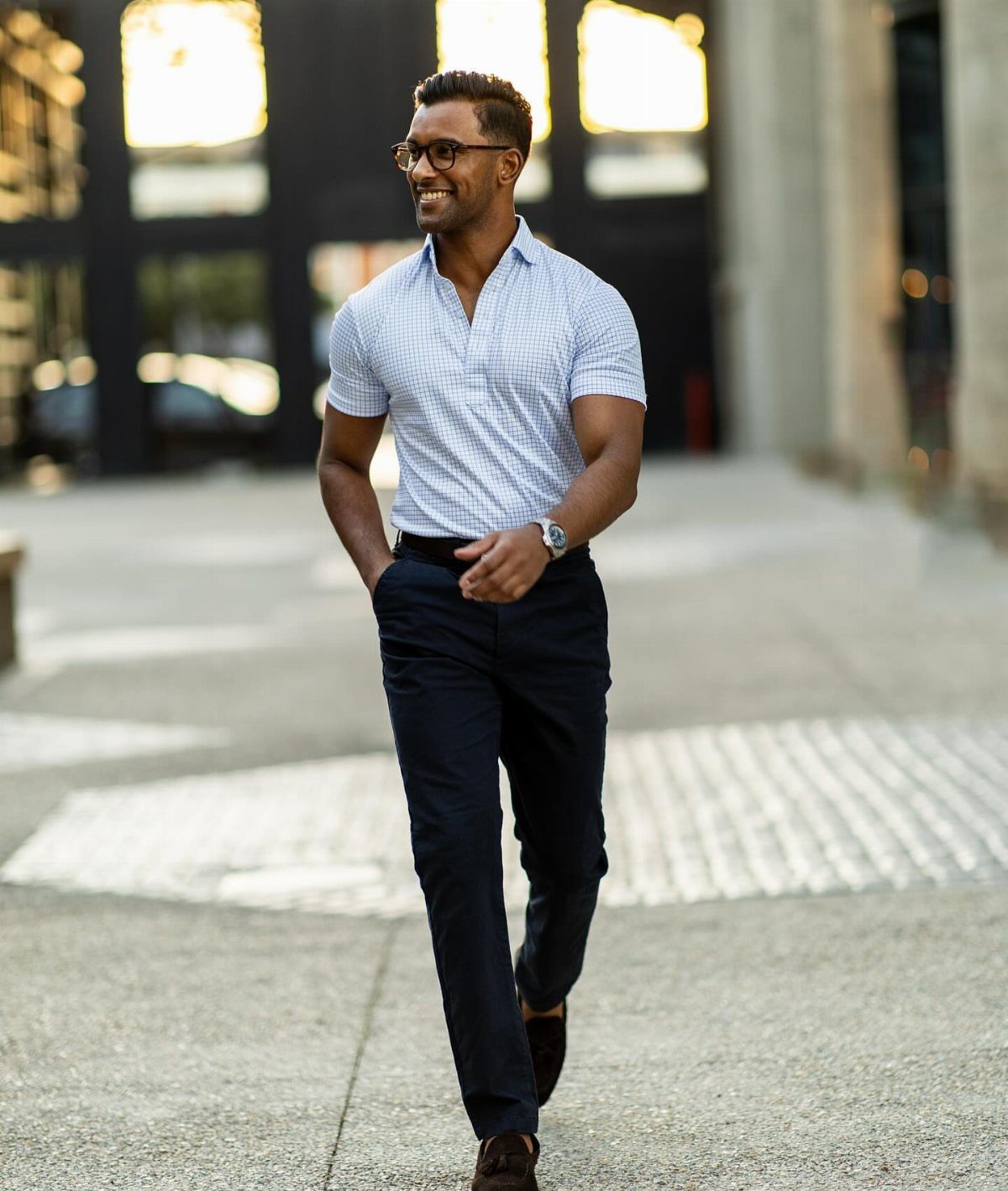
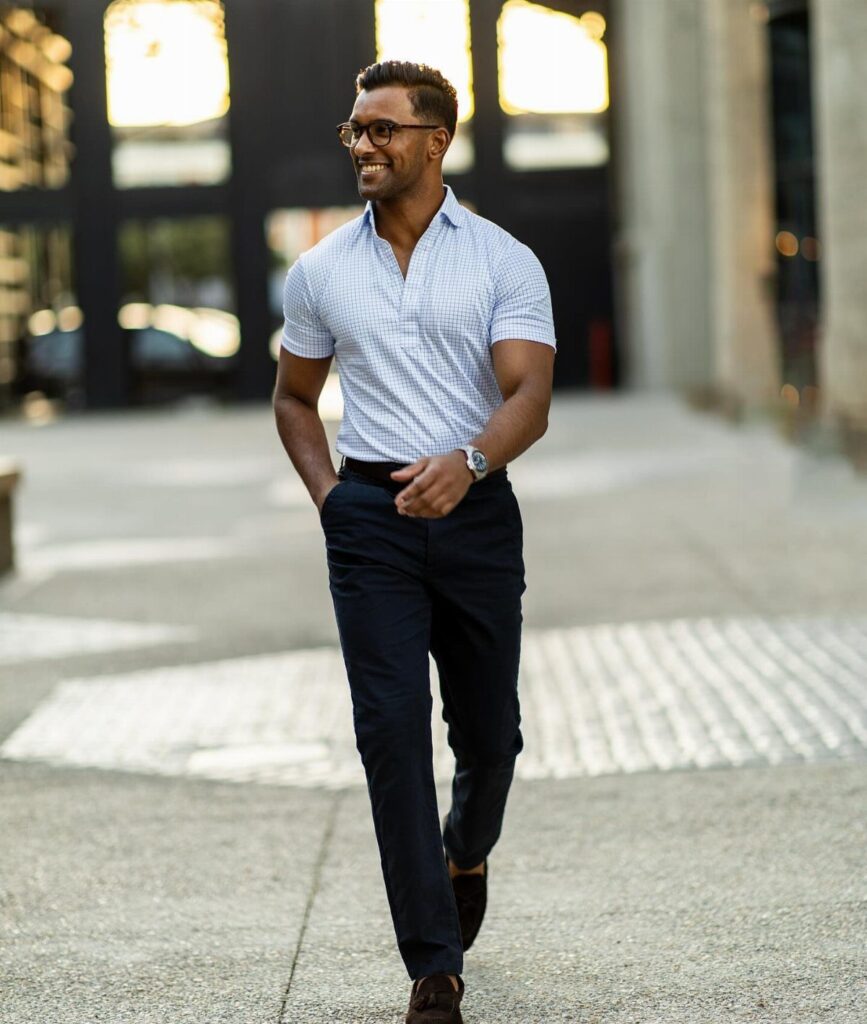
Short sleeves, trousers and leather shoes strike the balance most workplaces now expect: professional enough for the office, relaxed enough that you don’t look overdressed in it.
A button-down in a small check or solid keeps the top half clean. Navy or grey trousers pair with brown shoes, and the whole thing reads as intentional without trying hard.
I’d stick to one pattern maximum.
If the shirt has texture or print, keep the trousers plain. The short sleeves work in warm weather, but swap for long sleeves when the temperature drops or the meeting matters.
A decade ago, it was much clearer: you’d be wearing pants that weren’t jeans and a more casual button-up shirt, and probably only on Friday. And while that formula still very much works, the spectrum has undeniably widened.
— GQ
3. Accessorizing
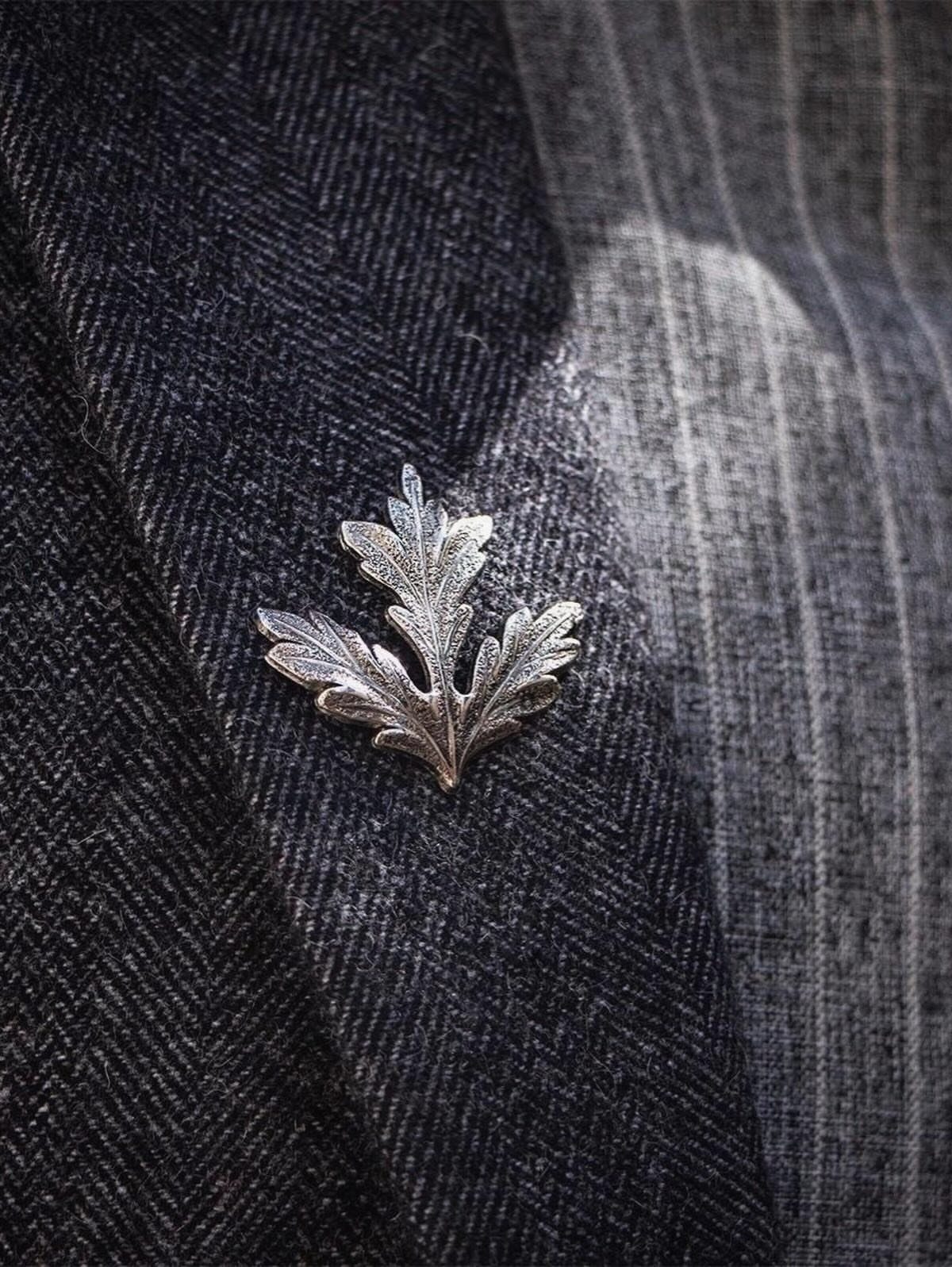
A lapel pin the size of a leaf, pinned just above the pocket, can separate a good outfit from one that looks considered.
Lapel pins work best kept small and metallic: enamel reads too casual for upscale settings, and anything larger than a quarter competes with your face.
Pin it through the left lapel, angled slightly upward. One pin per jacket, and skip it entirely if you’re already wearing a pocket square.
4. Semi-Formal
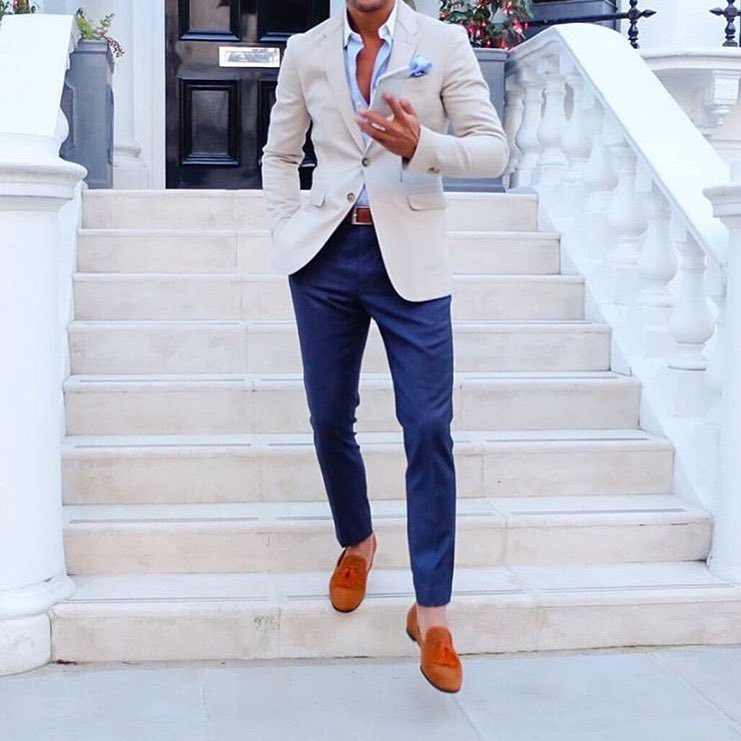
A blazer, trousers and loafers without a tie is the baseline for upscale events that stop short of requiring a suit.
The beige blazer here softens the formality, and the light blue shirt keeps it from feeling too matched. Navy trousers and tan loafers finish it without adding more color.
Semi-formal gives you room to adjust: darker blazer and trousers for evening, lighter tones for daytime.
Everything fits cleanly and nothing looks like it came from a different outfit. I’d keep the shirt plain and let the blazer fabric carry any texture.
5. Tailored Fits
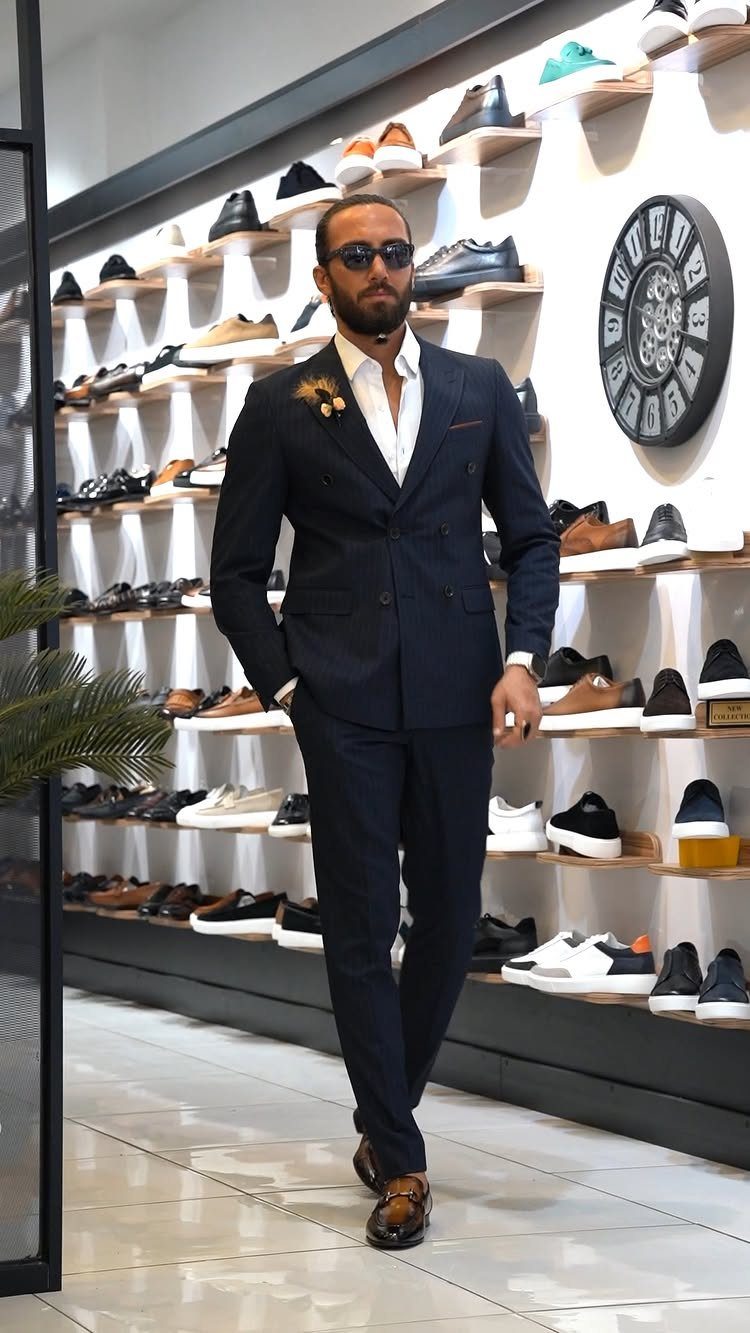
Tailoring turns an off-the-rack suit into something that looks like it was made for you, and the difference shows in how the jacket sits across your shoulders and closes at the waist.
Most men need at least the sleeves and trousers hemmed, and many need the waist taken in.
A tailor can adjust shoulder width, sleeve length, jacket length, waist suppression and trouser taper.
Expect to pay per alteration depending on the change. Tailored fit matters more than fabric weight or brand.
6. Black-Tie
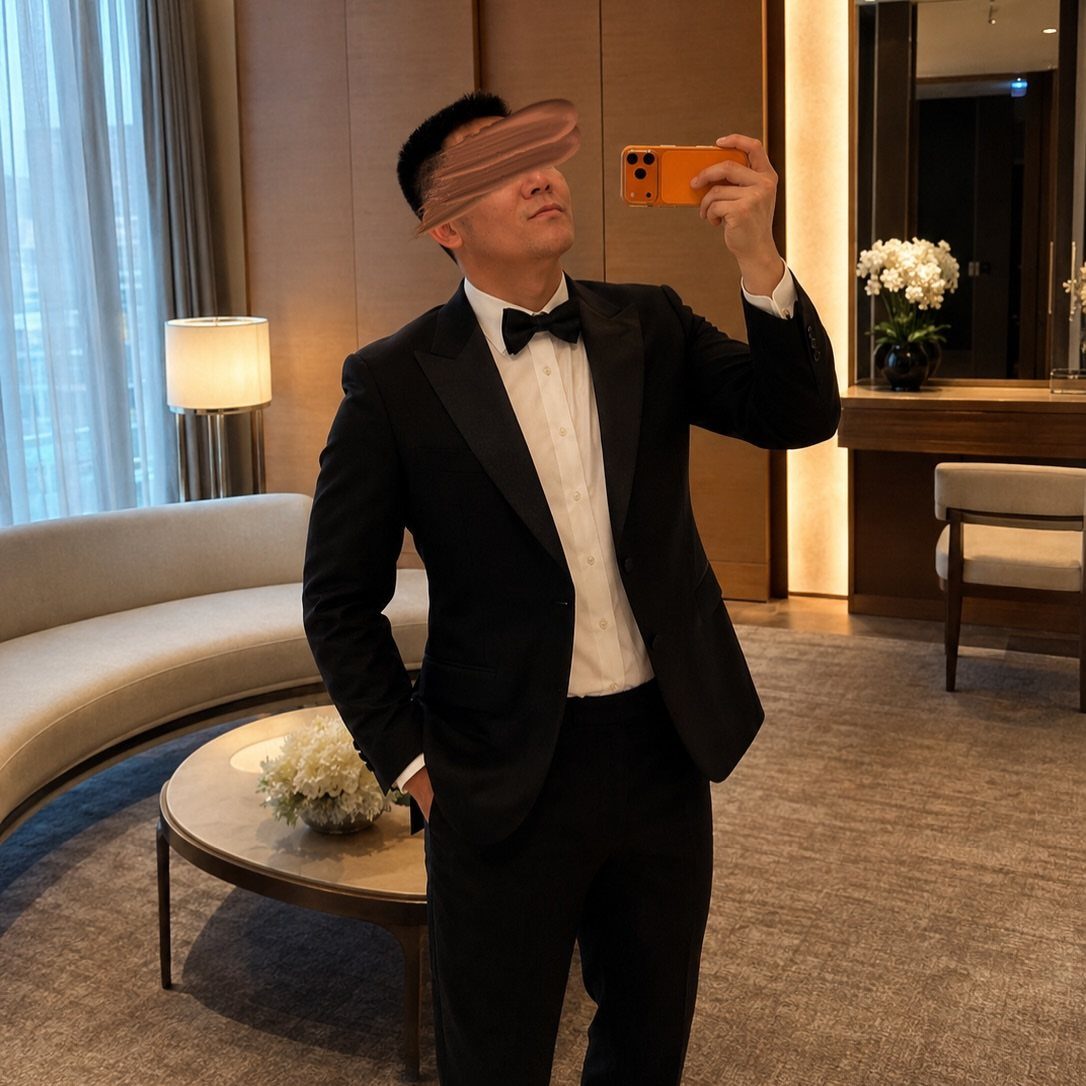
Black-tie means tuxedo, and a tuxedo means a black jacket with satin lapels, matching trousers with a satin stripe, white shirt and black bow tie.
The tuxedo here follows that template exactly, and the fit is clean with nothing trying to reinvent the format. Black-tie is the one dress code with no flexibility: you wear the uniform or you’re underdressed.
Rent if this is a single event, buy if you attend more than 2 black-tie occasions per year. The bow tie should be tied by hand, not pre-tied, and the shirt should have studs instead of buttons down the front.
7. Smart Layering
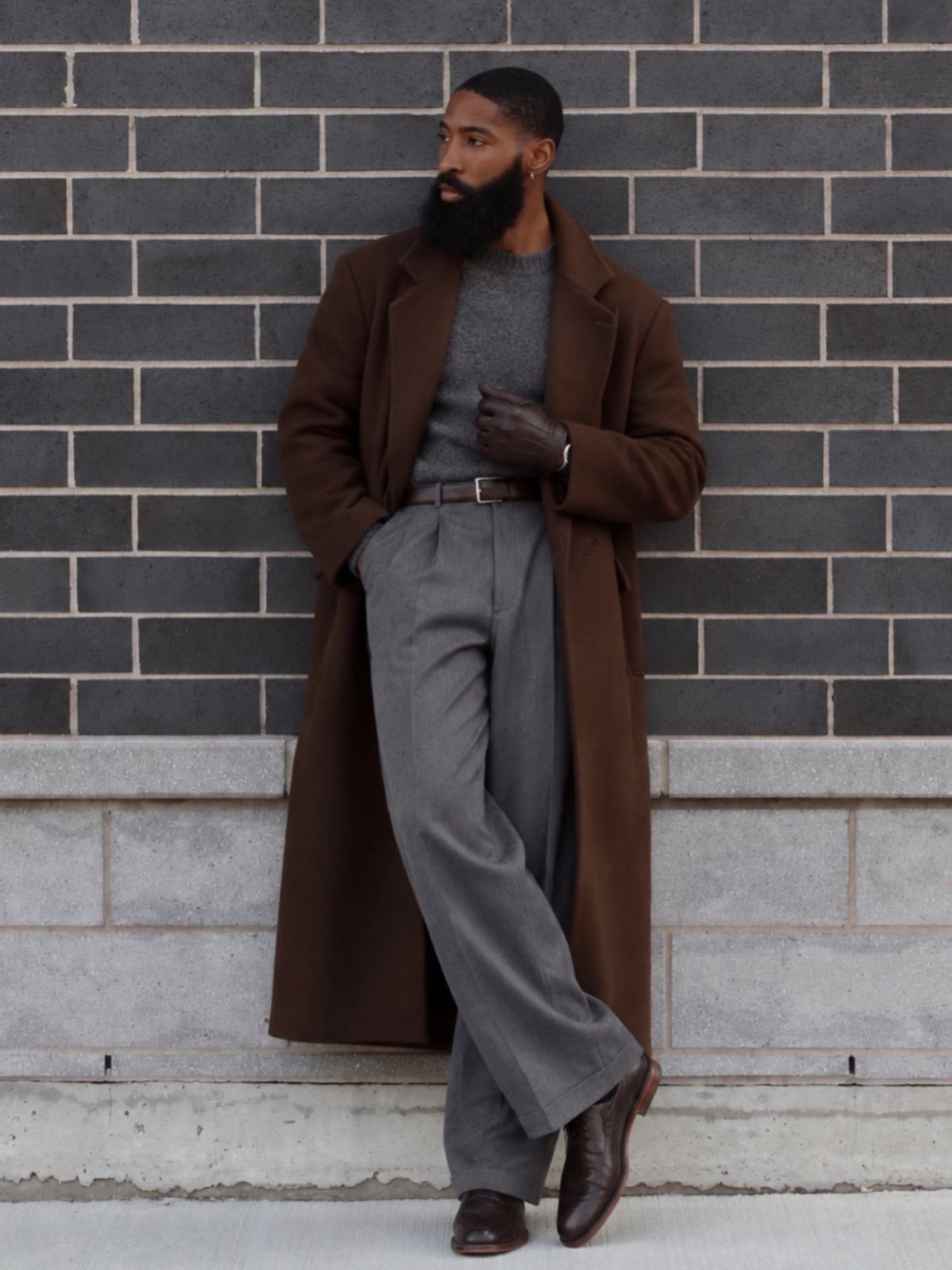
An overcoat layered over a sweater and trousers adds structure without weight, and the combination reads as more considered than any single piece could manage alone.
Close tones like brown over grey hold an outfit together better than high contrast.
Layering works best when each piece fits cleanly on its own.
The sweater should sit flat under the coat, and the coat should close without pulling. I’d keep the colors in the same family and let the textures do the separating.
8. Pinstripe Double-Breasted Suit
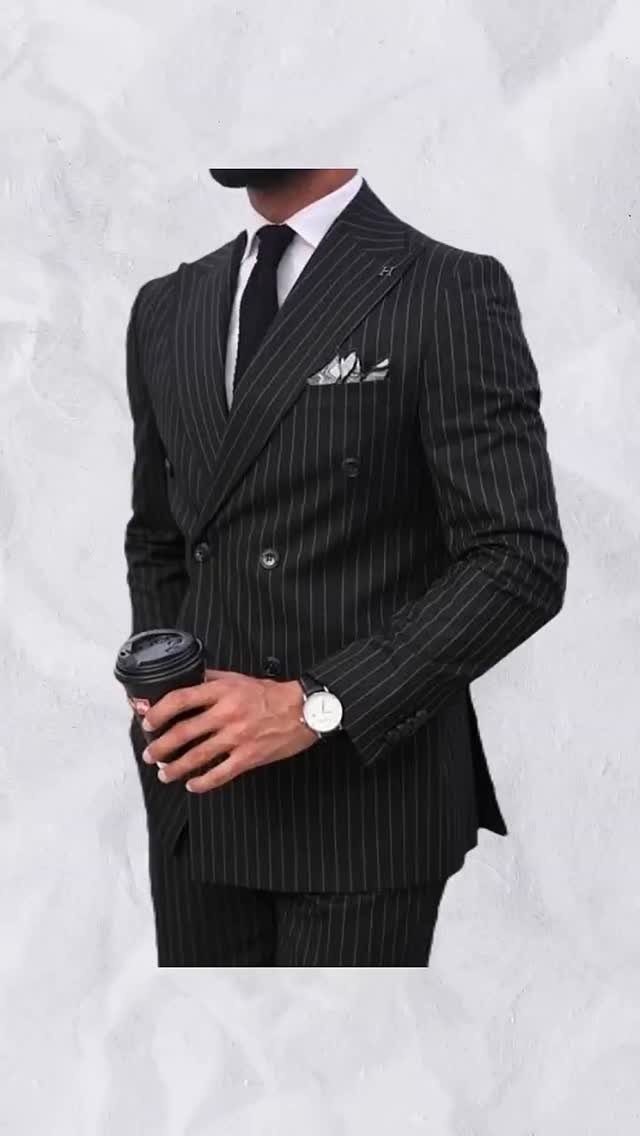
Pinstripe double-breasted suits carry more formality than single-breasted cuts, and the stripe adds visual structure that makes the silhouette look taller and more defined.
The white shirt, black tie and pocket square here keep the contrast sharp. Double-breasted jackets button higher and overlap more fabric, so they photograph well but run warm in practice.
This works for formal work settings or any occasion that asks for a suit short of black tie.
The pinstripe should run narrow, and the trousers should break once at the shoe. Skip the pocket square if the tie already has pattern.
9. Earth Tone Separates
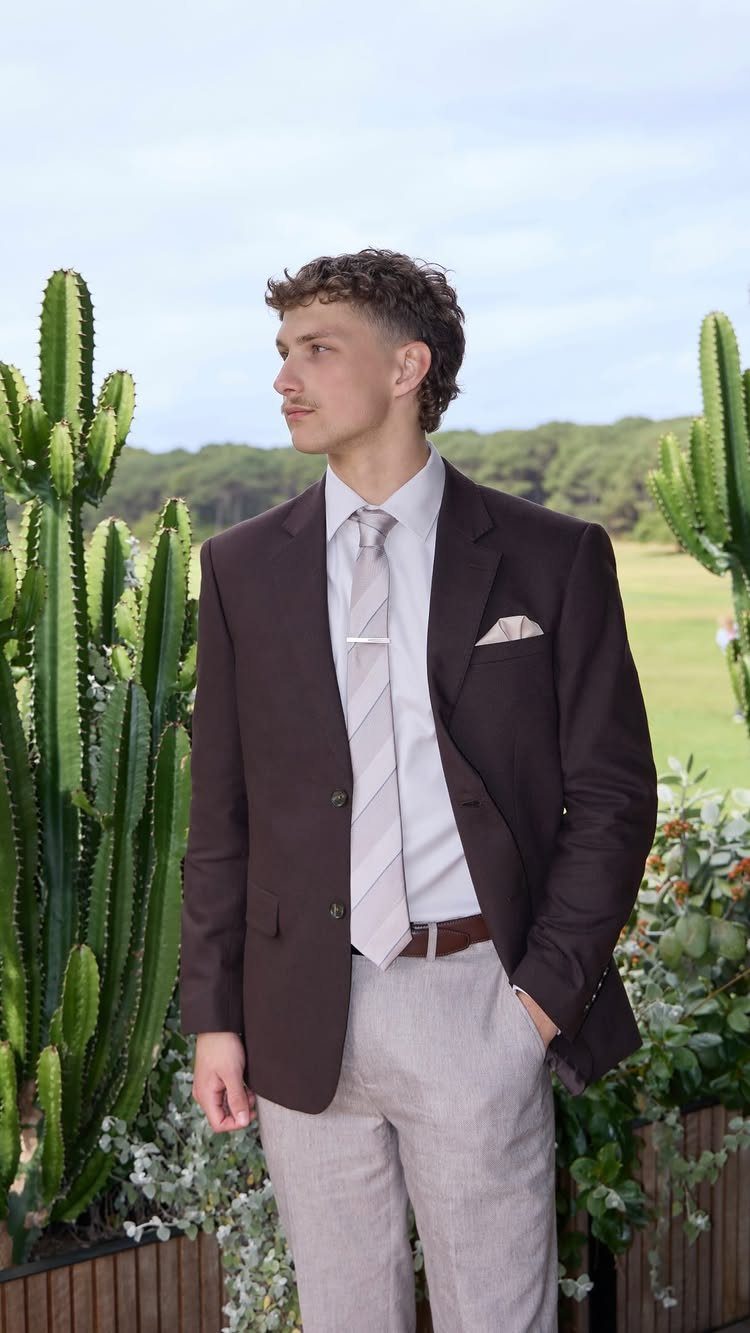
Brown and beige separate well without losing connection, and the combination lets you wear tailoring that doesn’t look like you’re trying to match a suit.
The brown blazer grounds the outfit, and the beige trousers lighten it enough to keep it from reading too heavy. The pink tie adds one accent without competing with the earth tones.
Separates give you more range than a suit: lighter trousers make the blazer feel less formal, and you can wear each piece with other items.
10. Knit Polo with Trousers
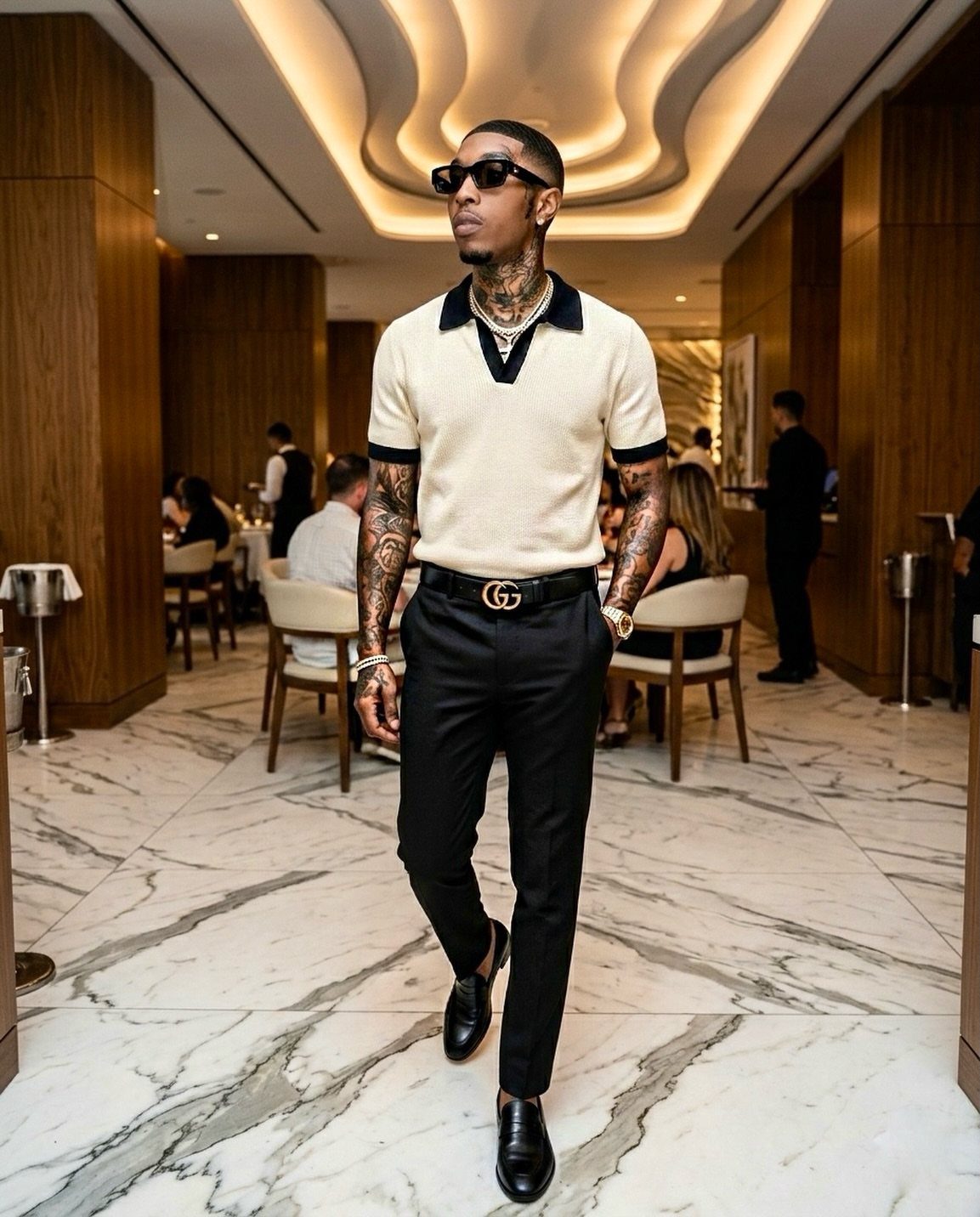
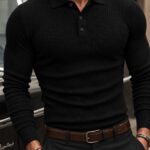
Knit polos carry more texture than cotton polos, and that difference makes them read as more upscale even though the silhouette stays the same.
The cream polo here contrasts cleanly against black trousers, and loafers keep the formality up without adding laces. Tucking the polo in tightens the waist and keeps the proportions balanced.
This works for dinners, galleries and any setting that expects more than a T-shirt but doesn’t require full business dress. The knit should sit close at the shoulders, and the trousers should taper slightly toward the ankle.
11. Fitted Shirt and Trousers
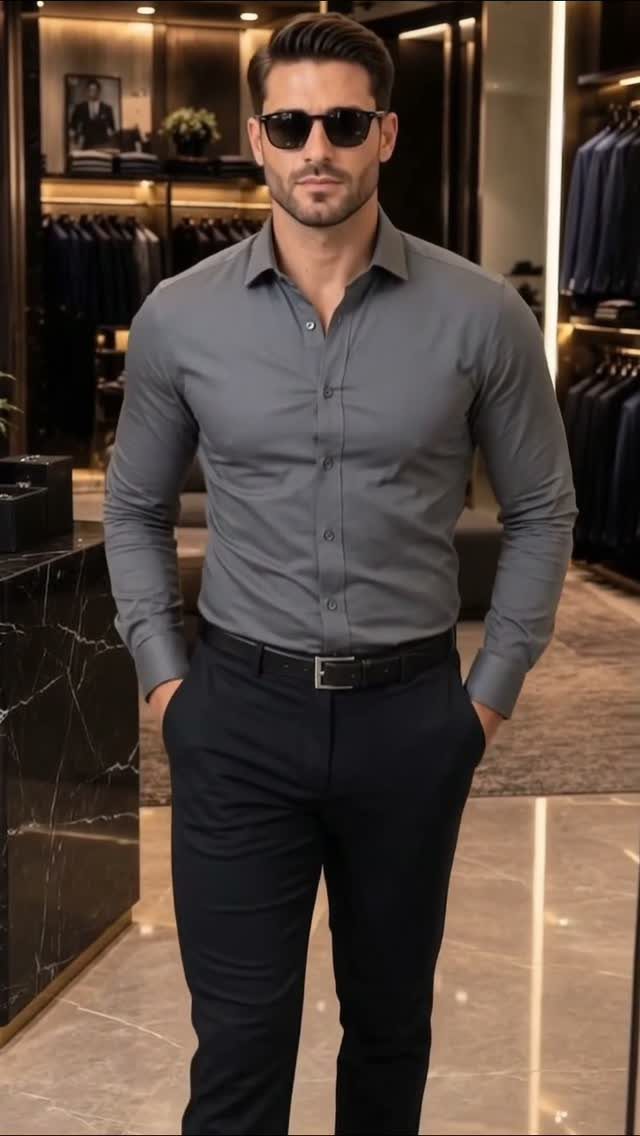
Fitted shirts show their cut in how they follow the torso without bunching at the waist or pulling at the buttons.
The grey shirt here tucks neatly into navy trousers, and the fit stays clean from shoulder to hem. Sunglasses add one accessory without adding pattern or color.
Fitted means tailored to your measurements, not tight. The shirt should close comfortably and sit flat across the chest and back.
I’d avoid patterns here and let the fit do the work. Navy trousers pair with almost any shirt color, and the simplicity keeps the outfit looking sharp without effort.
Understanding Dress Codes
Location tells you more than the invitation does. A rooftop dinner in July asks for lighter fabrics and no tie, while the same event in a hotel ballroom shifts the baseline up.
Timing matters too: daytime events run less formal than evening, even when the dress code sounds identical.
Your role changes the calculation.
Hosting or speaking moves you one notch more formal than attending. A guest can wear a blazer without a tie; the person running the evening should add the tie.
The message you want to send sits underneath every choice.
Conservative industries expect closer adherence to the code, creative fields give more room. Dressing slightly above the stated code signals respect for the occasion, while dressing exactly to it keeps you comfortable and appropriate.
Pick the formality level first, then make every piece match it. Mismatched formality between jacket and shoes breaks the outfit faster than any single wrong choice.
Mixing and Matching
A versatile wardrobe starts with pieces that share a tonal range, so combining them takes less effort than matching disparate colors.
Navy, grey, white and tan form the base. Each pairs with the others without clashing, and adding one accent color like burgundy or olive gives you range without requiring a larger closet.
When layering textures or patterns, keep the scale different.
A textured knit sweater sits cleanly under a smooth blazer, and a small check shirt works with solid trousers. Patterns that compete in size make the outfit look unplanned.
Proportion matters more than the pieces themselves.
A fitted shirt pairs with tapered trousers, and a relaxed sweater pairs with slimmer pants. Matching the fit level across top and bottom keeps the silhouette balanced, while mixing loose with loose or tight with tight throws it off.
Seasonal Dressing
Summer calls for lightweight cotton, linen and blends that breathe without wrinkling too visibly. Stick to lighter tones that reflect heat rather than absorb it, and skip layering unless the venue runs cold indoors.
Winter upscale dressing builds from a base layer up: fitted shirt, sweater or vest, then blazer or overcoat. Wool trousers hold warmth better than cotton chinos, and leather shoes insulate more than canvas or knit.
Transitional seasons give the most range. A flannel shirt under a cardigan works in fall, and a knit polo with a light jacket bridges spring.
Adjusting fabric weight by season keeps you comfortable without changing the formality level. The silhouette stays consistent, only the material shifts.
Frequently Asked Questions
What does upscale mean for dress code?
Upscale means polished and elevated without crossing into formal: better fabrics, clean fit and intentional combinations that look considered rather than casual.
A white polo with navy trousers and leather shoes hits that mark, while a T-shirt and joggers fall short. The goal is comfort that still reads as put-together.
What are the levels of dress code for men?
The main levels run from smart casual (polo and trousers) through business casual (button-down, trousers, leather shoes) and semi-formal (blazer, trousers, loafers, no tie) up to black-tie (tuxedo with satin lapels and bow tie).
Each level adds structure and formality, and the pieces that work at one level rarely work at the next. Match every piece to the level the invitation names.
What do upper class men wear?
Upper class settings call for tailored suits in dark tones, light shirts and restrained accessories that work together without any single piece standing out.
The suit should fit cleanly across the shoulders and waist, and the formality stays high with no casual concessions. Long socks match the trousers, and every element serves the whole rather than calling attention to itself.