Jazz fashion for men ranges from the full formality of a three-piece navy suit with polished shoes to the relaxed structure of wide-leg grey wool trousers under a green jacket.
The occasion decides which pieces you reach for: a formal jazz setting calls for tailored wool and a waistcoat, a club night allows an open collar under a dark blazer.
A salmon blazer over high-waisted tan trousers pulls from mid-century bold statement tailoring, while a varsity jacket with a flat cap reads Ivy League sportswear.
1. Tailored Suits
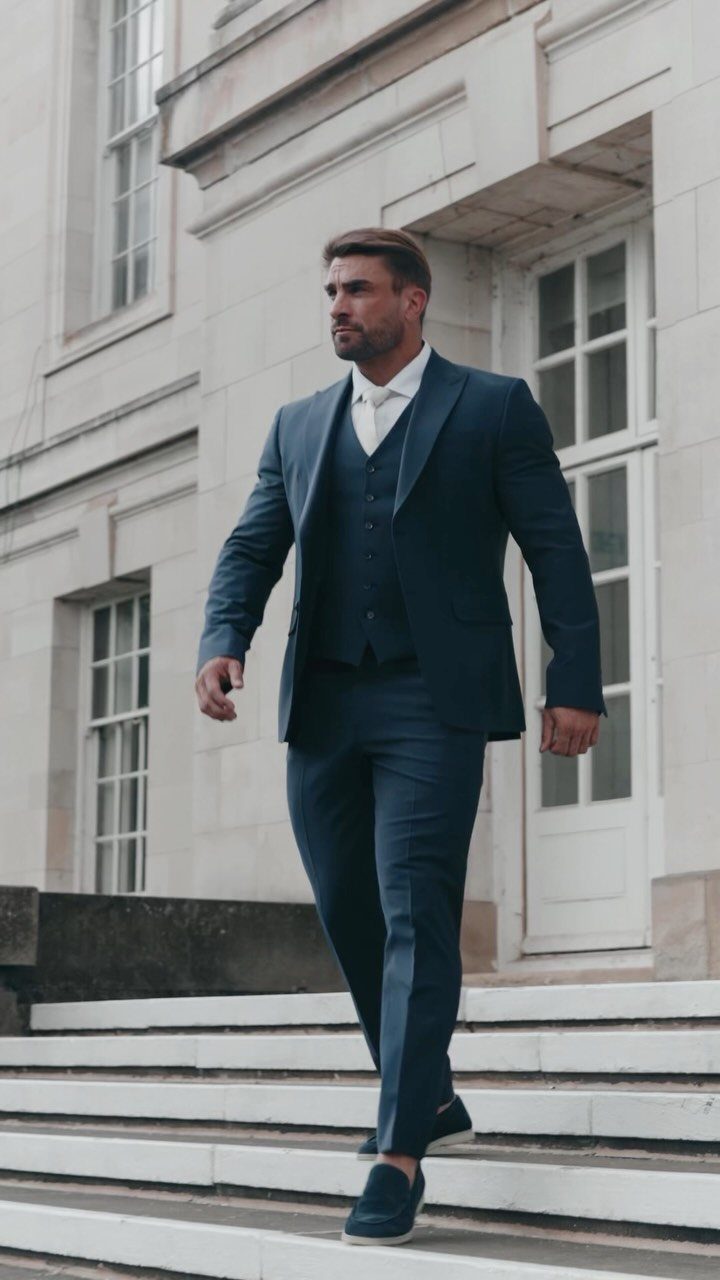
A three-piece suit in navy remains the standard for formal jazz settings. The waistcoat adds structure and keeps the silhouette sharp when you take the jacket off between sets.
Navy works because it reads formal without the weight of black.
Pair it with a white shirt and a tie in a solid color or narrow stripe. The fit should sit close but allow full movement when you sit or reach.
Polish the shoes and keep the shirt pressed. Those 2 details decide whether the suit looks careful or careless.
2. Accessories for Jazz Style
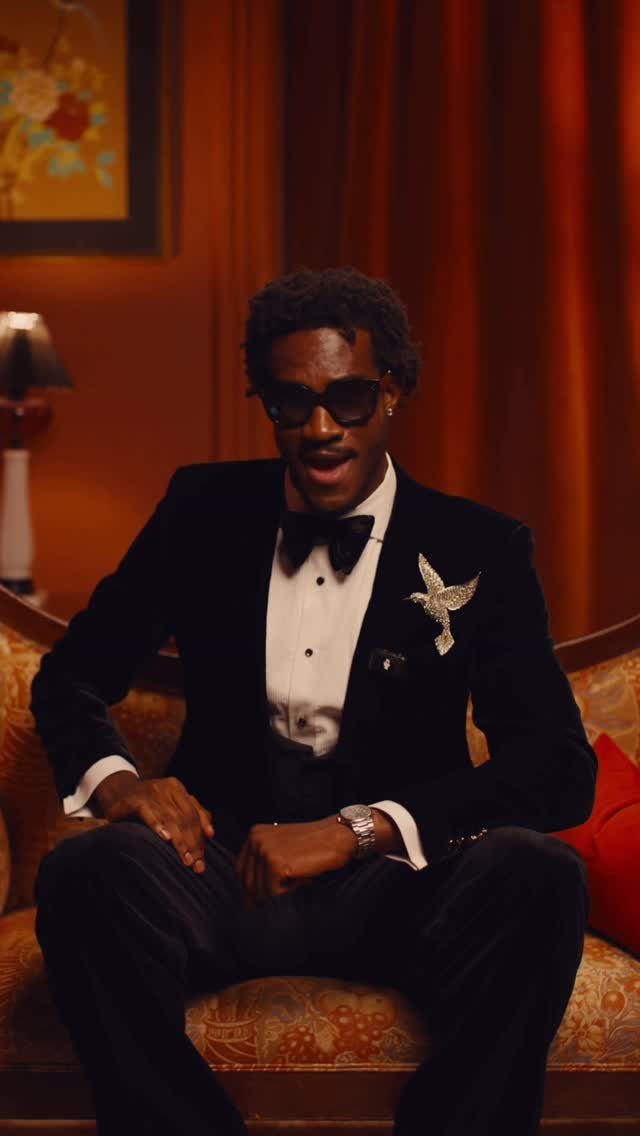
Small details lift a formal jazz outfit without weighing it down. A lapel pin, bow tie, and sunglasses can each carry personality in ways a suit alone cannot.
Bow ties in black silk keep the neckline clean when you want a collar that stays flat all night. Sunglasses indoors signal performance or stage presence, less practical for a seated dinner.
Choose one accent piece and build around it. 3 competing details fight for attention.
3. Modern Jazz Club Look
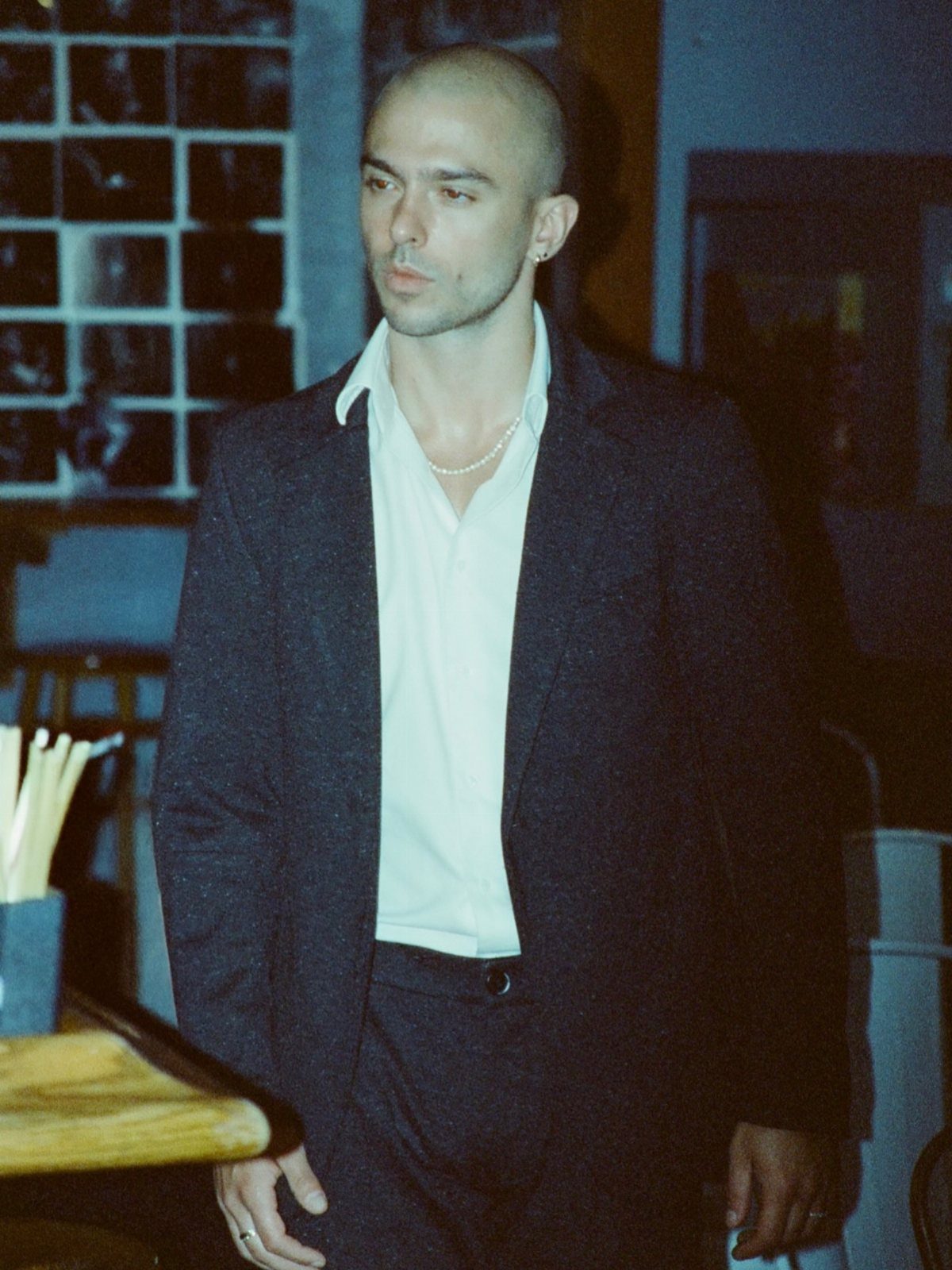
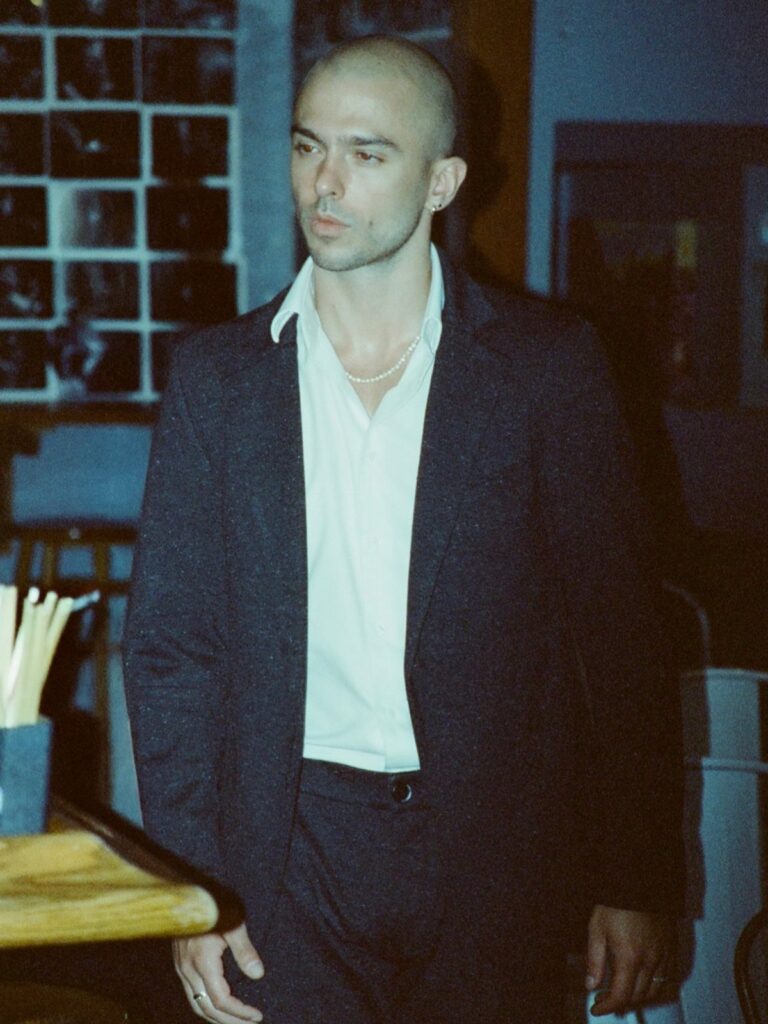
This look strips formality down to what a jazz club actually requires. A dark blazer over an open-collar white shirt keeps you covered without the stiffness of a tie.
The pearl necklace adds one unexpected element.
It reads jewelry rather than costume when worn against plain colors. Keep the rest minimal: navy or charcoal blazer, no pocket square, shoes in black leather.
This works for venues with low light and close seating. You want to look dressed without overdoing it in a room where everyone else is in denim.
4. Vintage Layering with Fedora
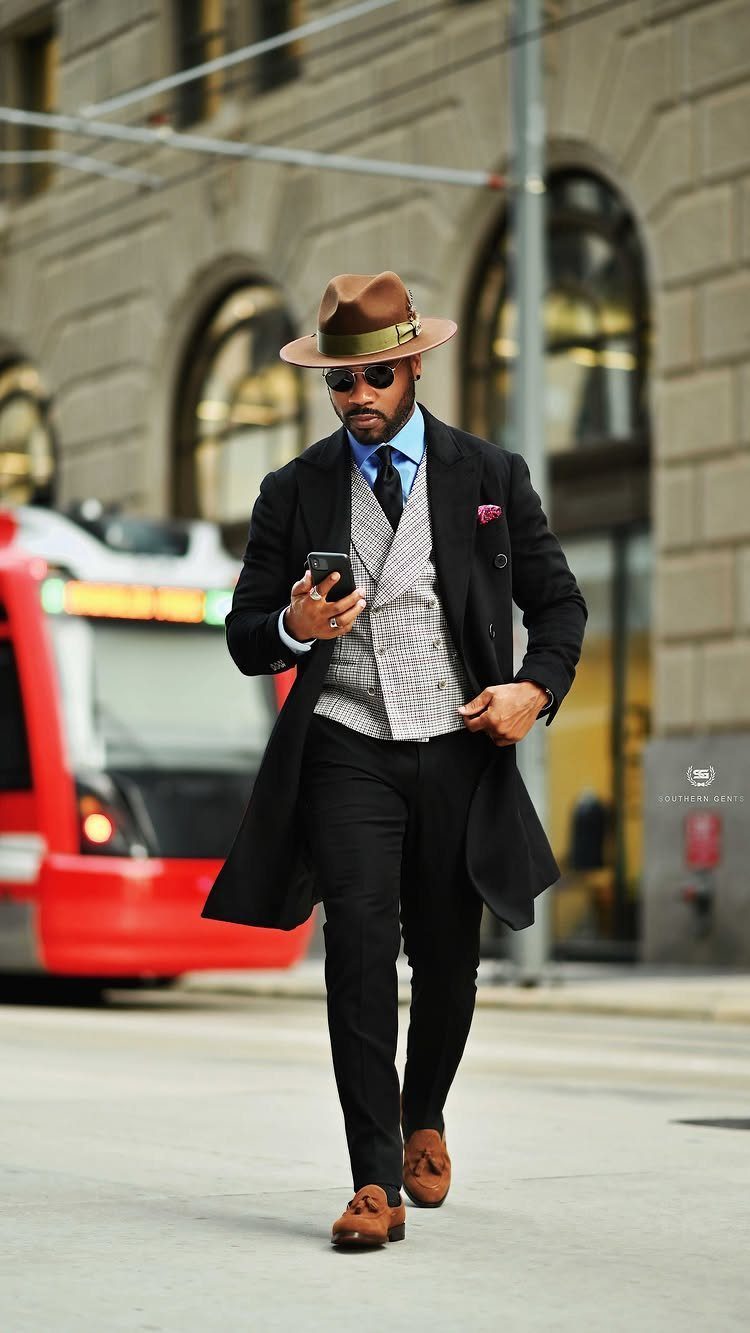
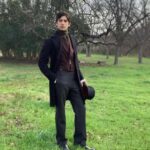
Layering a waistcoat under an overcoat gives you structure to shed or add as you move between cold streets and warm indoor rooms. The fedora anchors the outfit and pulls the era forward.
Brown felt in a medium brim suits most face shapes and pairs naturally with black or charcoal wool.
Suede loafers in tan or brown keep the shoe choice lighter than polished oxfords. The waistcoat should have enough pattern to register under the coat but not compete with a patterned shirt.
This look requires 3 tailored pieces, so fit matters more than fabric weight.
5. Bold Retro Statement Tailoring
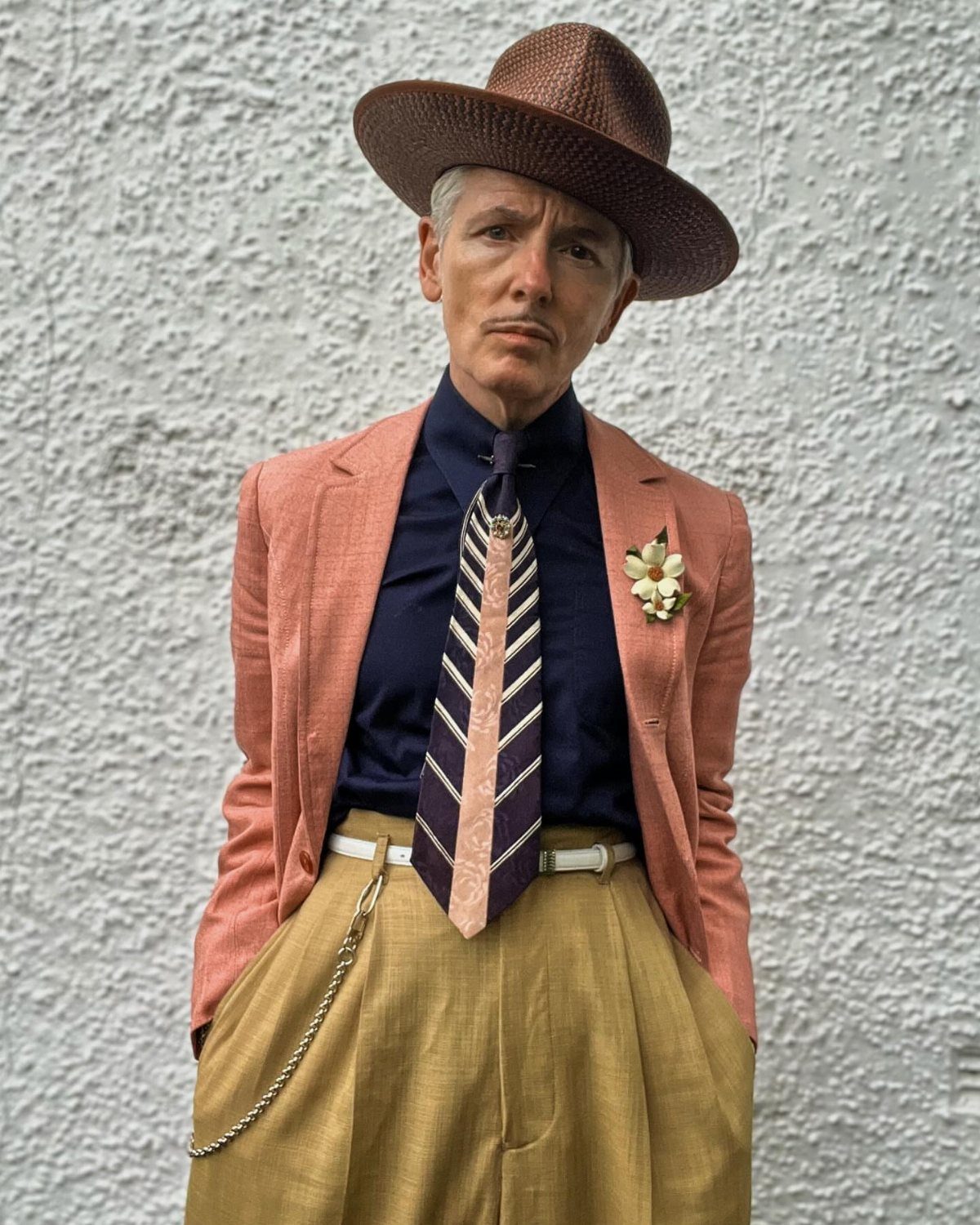
High-waisted trousers and a wide-brim hat define this retro silhouette. The salmon blazer works because the trousers stay neutral in tan, letting the jacket carry the color.
The pocket chain and patterned tie add texture without print overload.
Keep the shirt dark so the tie has contrast. The hat brim should be wide enough to balance the trouser leg.
This outfit needs confidence.
If you wear it hesitantly, it reads costume. If you commit, it reads style.
6. Classic Ivy Jazz Look
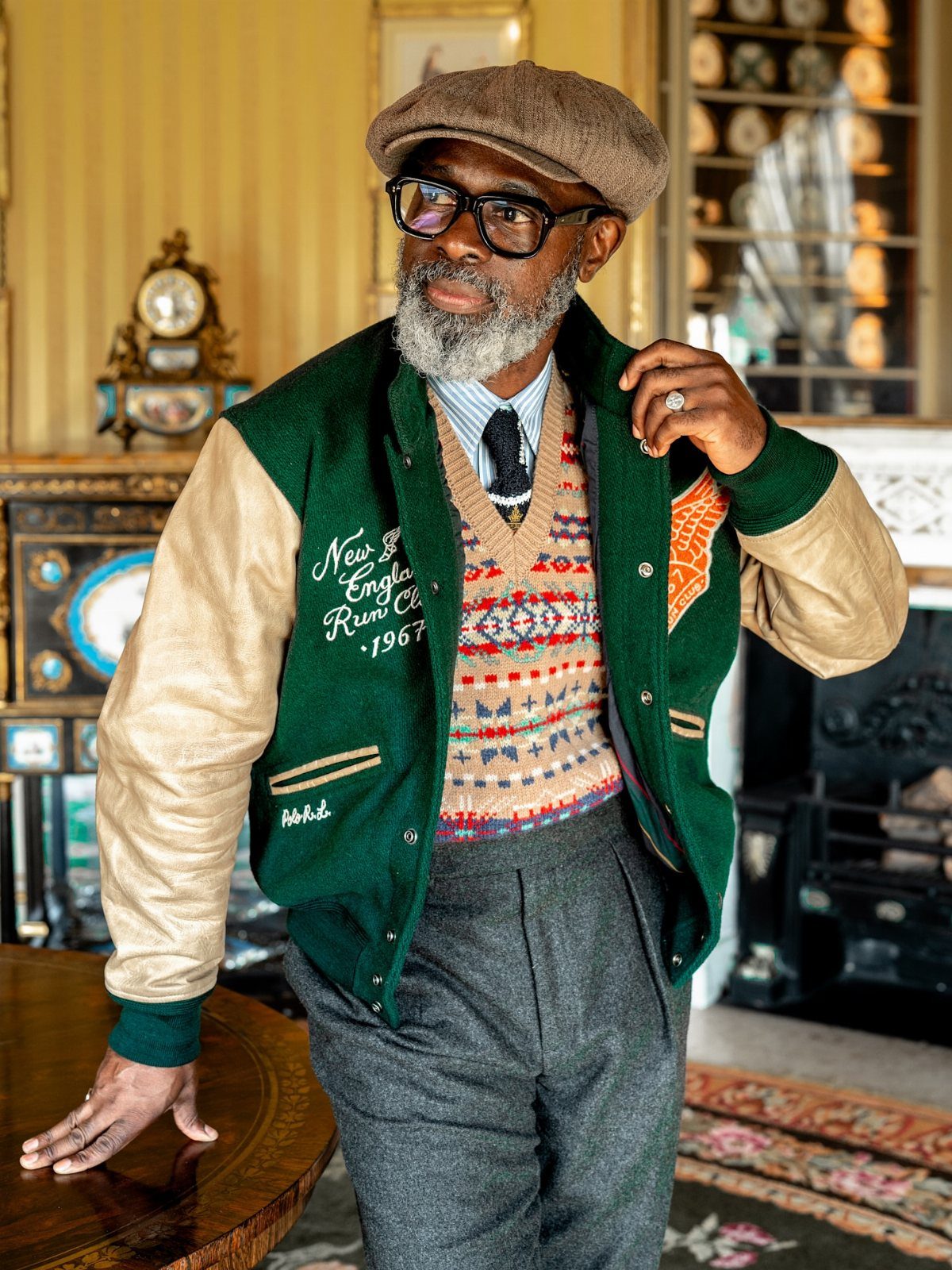
A flat cap, varsity jacket, and tie combine Ivy League tailoring with mid-century sportswear. The patterned sweater adds texture under the jacket and keeps the neckline from looking too buttoned-up.
Varsity jackets in wool with leather sleeves work best here, the kind with chenille patches or embroidered dates.
The flat cap in brown tweed or herringbone keeps the proportions grounded. Wear the tie narrow and in a solid color so it does not fight the sweater pattern.
This look suits cooler weather and casual jazz venues where formality would feel out of place.
7. Relaxed Wide-leg Tailoring
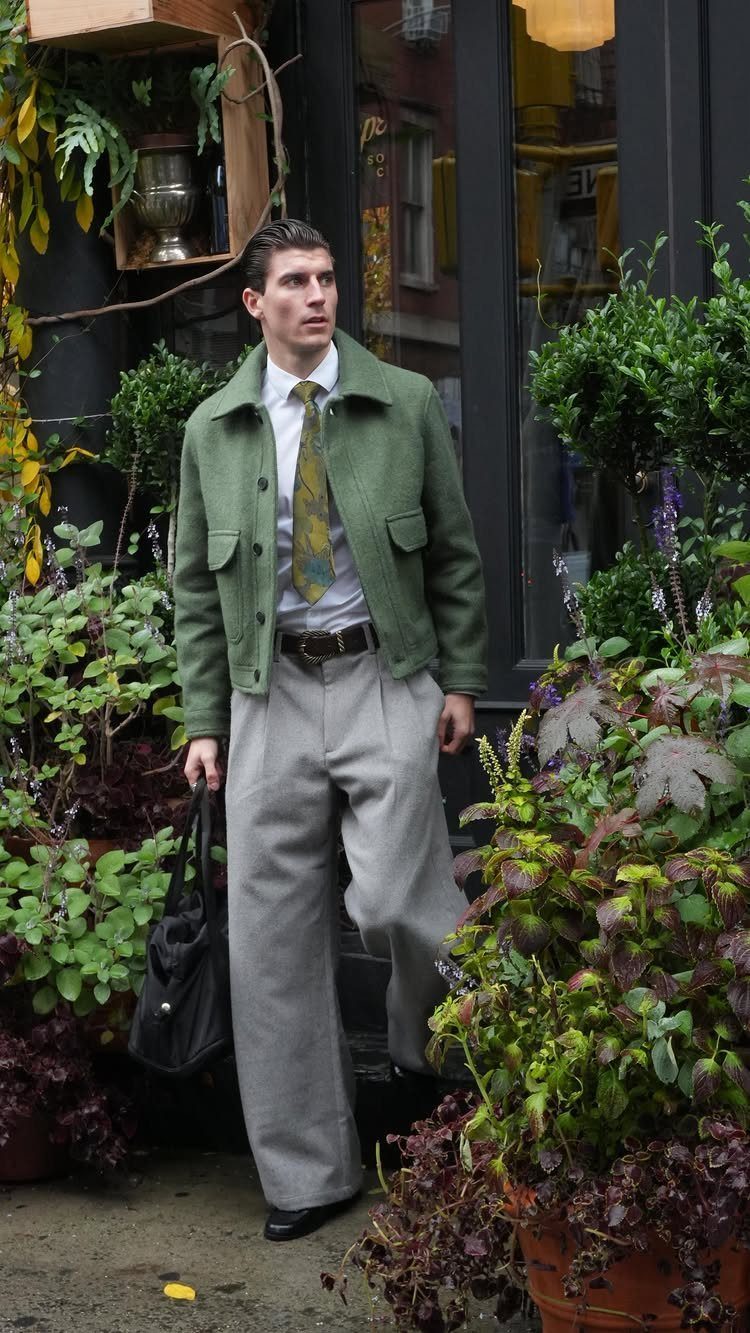
Wide-leg trousers in grey wool soften the formality of a tie without losing structure. The green jacket keeps the upper half casual enough for daytime jazz venues where a suit would feel heavy.
The tie adds one formal element against the relaxed fit of the trousers.
Keep it patterned but narrow so it reads texture rather than ornament. Brown leather shoes in a derby or loafer finish the look without the polish of oxfords.
This works when you want tailoring that breathes. The wide leg moves with you and suits warmer rooms better than fitted wool.
Choosing Quality Jazz Apparel
Fabric weight matters more than most new buyers expect.
A cotton shirt printed with heat transfer graphics will crack and fade after a handful of washes. Screen-printed designs on heavyweight cotton hold up longer and keep their color through dozens of cycles.
A shirt that fits well off the rack saves you tailoring costs and looks better from the first wear.
Unique designs that reference specific albums, musicians, or eras carry more personality than generic graphics.
Look for prints that show attention to the actual history rather than vague gestures toward the style. A shirt that names a real venue or session date tells you the designer did the work.
Jazz Fashion History
The 1920s gave jazz its first visual identity.
Flapper dresses introduced shorter hemlines, dropped waistlines, and heavy use of fringe and sequins. The silhouette moved away from structured corsets toward looser fits that matched the improvisational energy of the music.
Men’s suits relaxed during the same period. Trousers cut with a wide leg and double-breasted jackets set the template, often paired with a fedora.
Duke Ellington and Louis Armstrong wore tailored looks that balanced formality with ease, and their choices set the tone for jazz musicians who followed.
Each decade after that brought its own changes, but the foundation remains the same: jazz fashion moves between structure and freedom, never fully committing to either.
Styling for Different Occasions
For casual outings, pair a jazz-inspired graphic shirt with dark denim or chinos. Keep the shoes simple in leather or canvas so the shirt carries the look.
Dates call for tailoring over graphics. A fitted blazer in navy or charcoal over a plain shirt gives you the structure jazz formality requires without 3 pieces and a tie.
Add a tie if the venue expects it, but leave it off for bars or late-night clubs.
Formal gatherings need the full suit.
A three-piece in wool, polished shoes, and a pressed shirt cover every requirement. Skip the novelty accessories and let the fit do the work.