
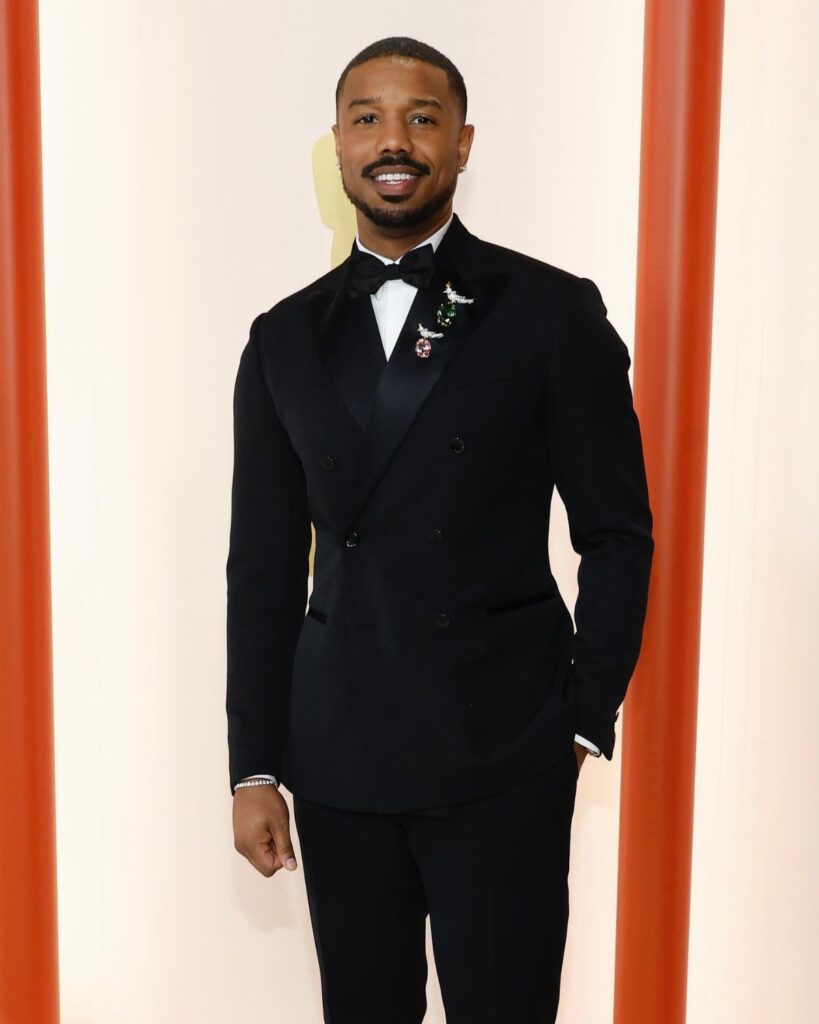
Red carpet style starts with fit that actually matches your body: the jacket should button at your natural waist, sleeves end right at the wrist bone, and trousers break clean at the shoe.
Navy or midnight blue breaks up a lineup of identical black and holds up better under strong overhead lights.
If you want one thing to stand out, make it the only thing. A bold lapel or an unusual bow tie material both work, but only one per look.
1. Sweat the Fit
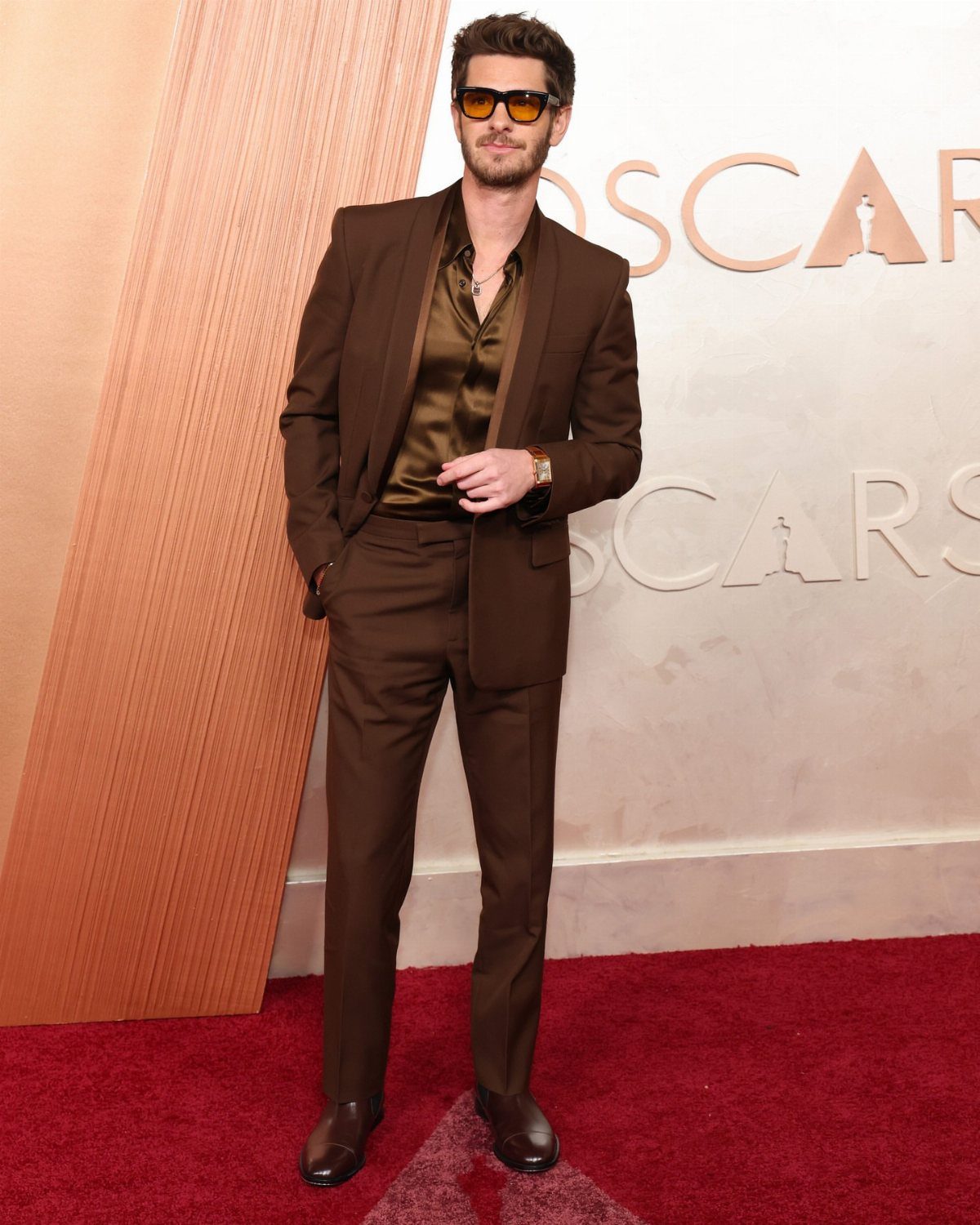
A red carpet suit only looks good if it actually fits your body. The brown suit fits close through the chest and waist without pulling, sleeves end right at the wrist bone, and trousers break clean at the shoe.
Most rental tuxedos come in 3 lengths and call it done. That leaves fabric bunching at the shoulder, sleeves covering half your hand, or a jacket sitting too low on your back.
Get the fit dialed first. Everything else you add to the outfit only works if the foundation sits right.
2. Classic Black Tux
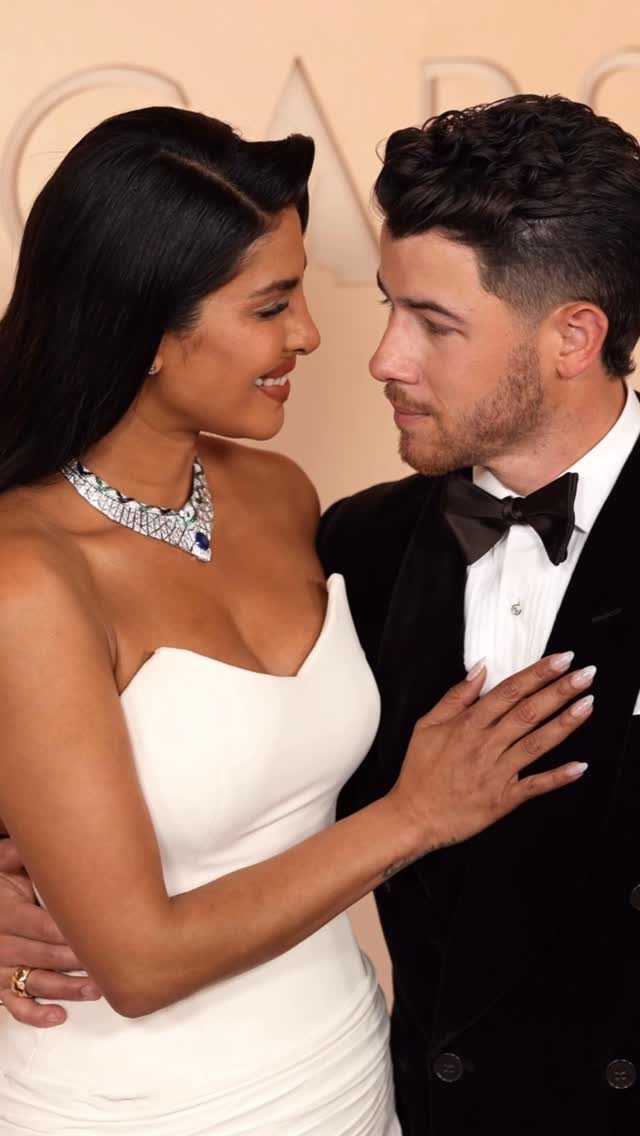
Black tuxedo, white shirt, black bow tie.
This is what every formal dress code assumes you will wear, and there is a reason it holds. The look works because the pieces are simple and the proportions are already settled.
The jacket should button at your natural waist, lapels should lie flat, and the bow tie should match the width of your collar.
If you are attending your first formal event or you want zero risk, this is the call. The outfit does not need to surprise anyone to work.
3. Pick One Statement
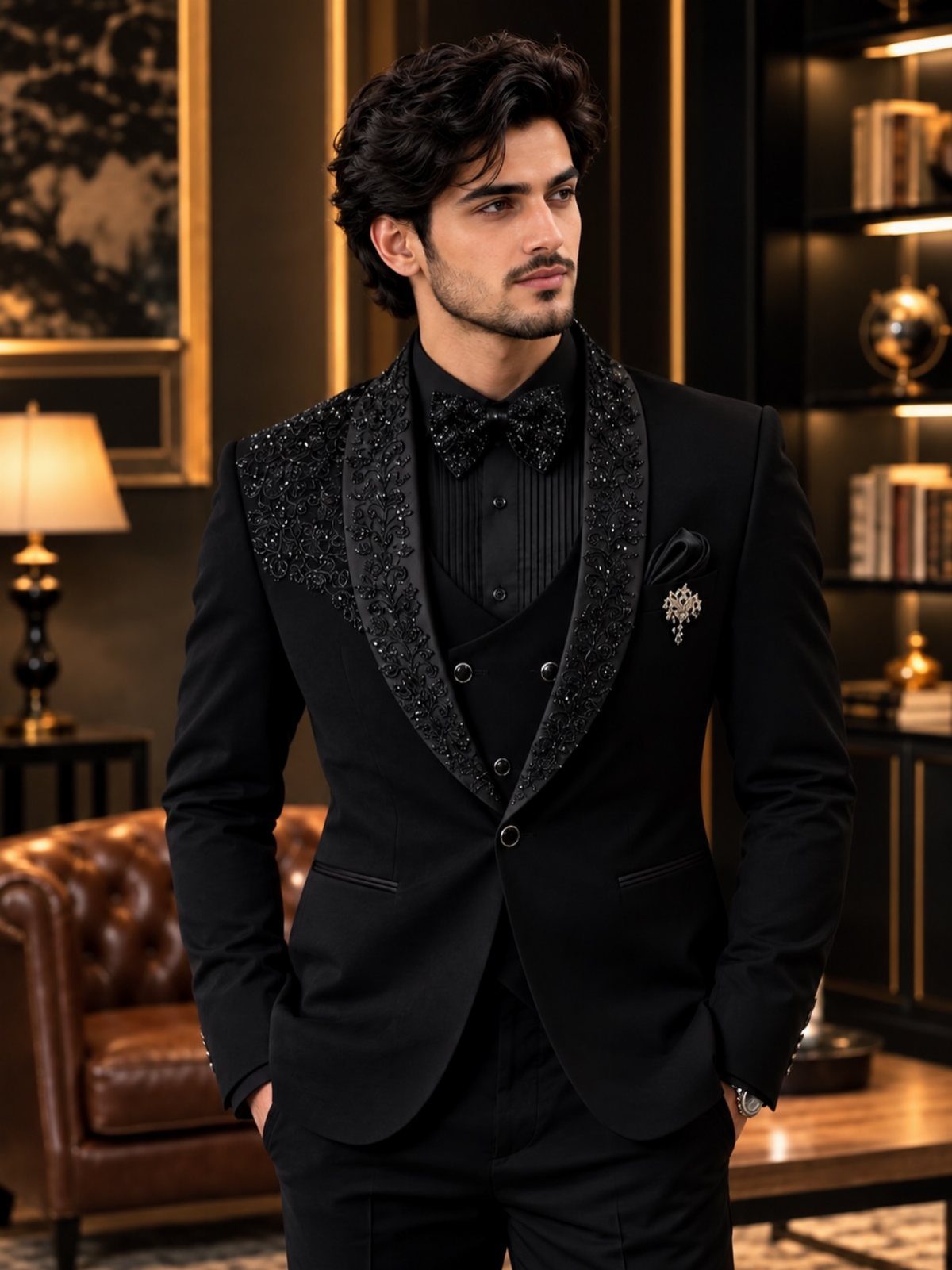
If you want one thing to stand out, make it the only thing.
The beaded lapel on this tuxedo does the work. Everything else stays black and quiet so that detail gets the attention.
Choose your standout piece first, then pick everything else to let it lead.
A bold lapel, a printed jacket lining, or an unusual bow tie material all qualify, but only one per look. Adding 2 competing details splits focus and reads as clutter rather than confidence.
4. Don’t Be Predictable
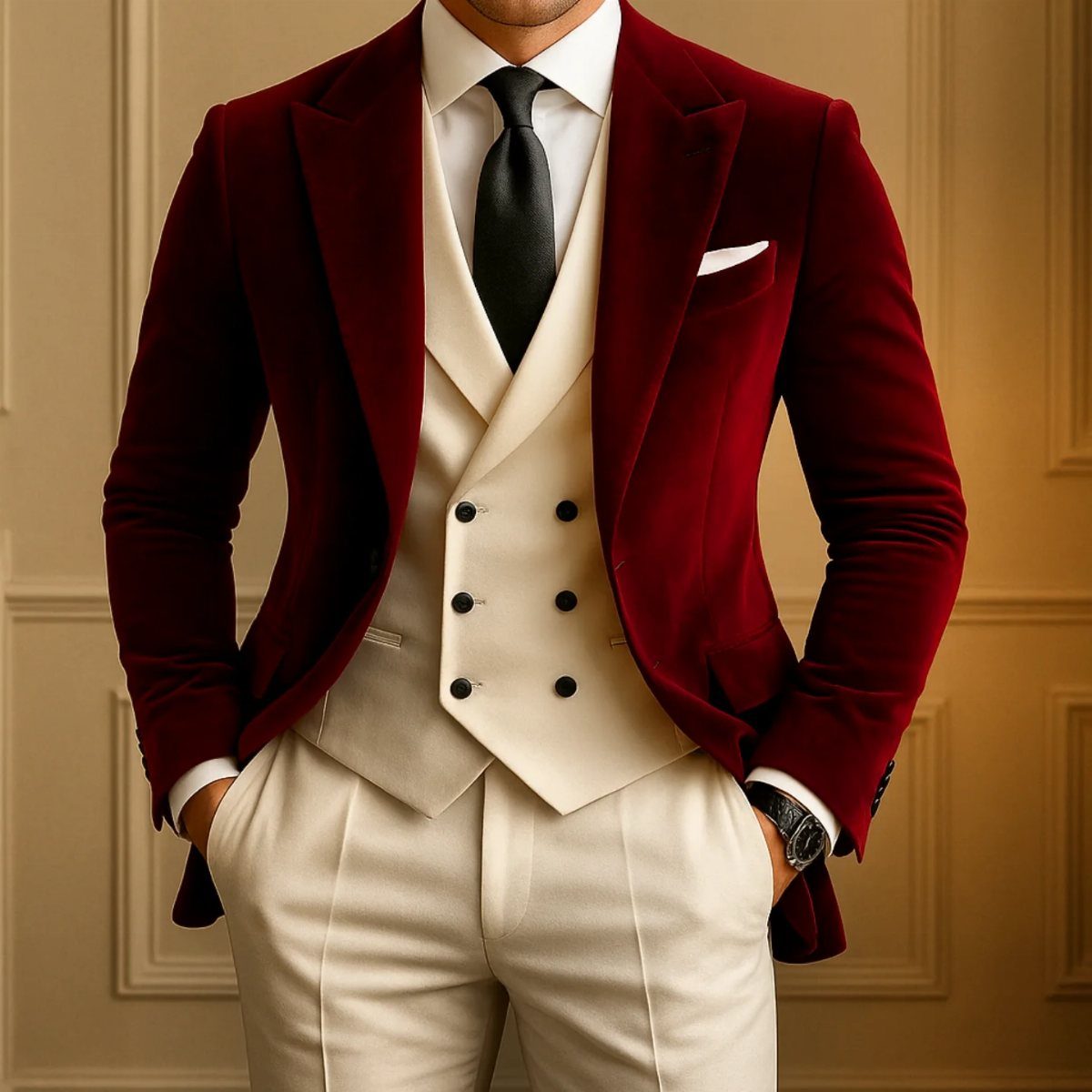
Red carpet does not require black. Deep red velvet, charcoal, midnight green, or even dark purple all photograph well under event lighting and separate you from the dozen men in standard black tuxedos.
Navy or charcoal needs classic tailoring and quiet supporting pieces. The color does the differentiating; everything else should stay in familiar territory.
5. Consider a Blue Tuxedo
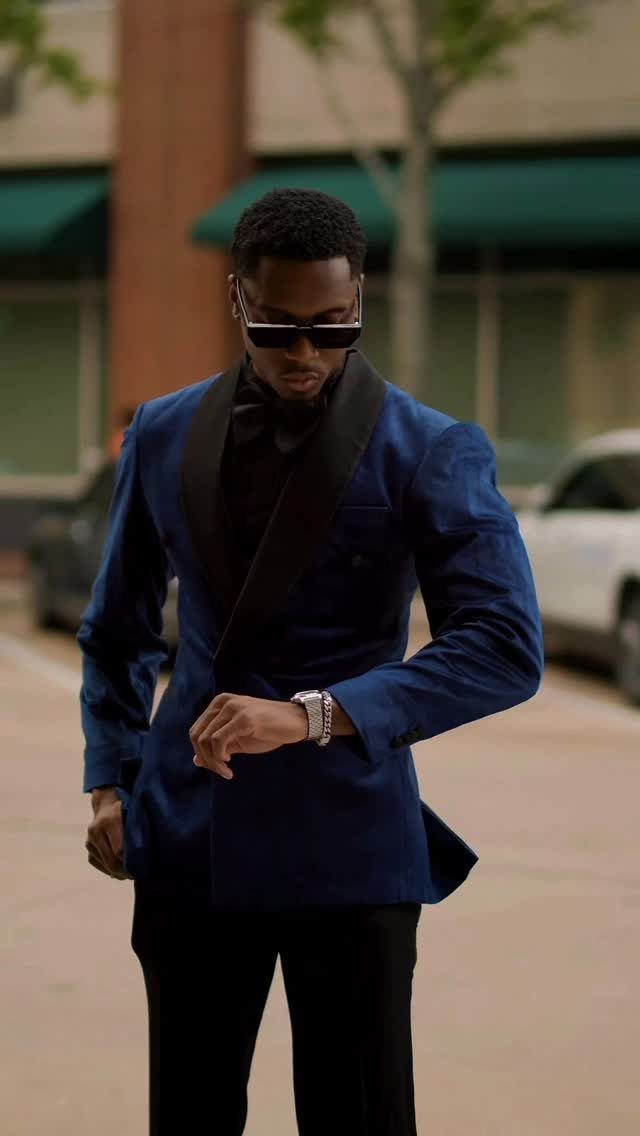
Navy tuxedo with black satin lapels splits the difference between classic and different. The silhouette reads as formal from across the room, but up close the color registers as a choice rather than a default.
Midnight or true navy both work. Pair it with a black bow tie and black patent shoes so the formality stays intact.
The blue tuxedo works best under warm event lighting, where black can flatten out. If you already own a black tux and want a second option, this is the next one to add.
6. Minimal Accessories
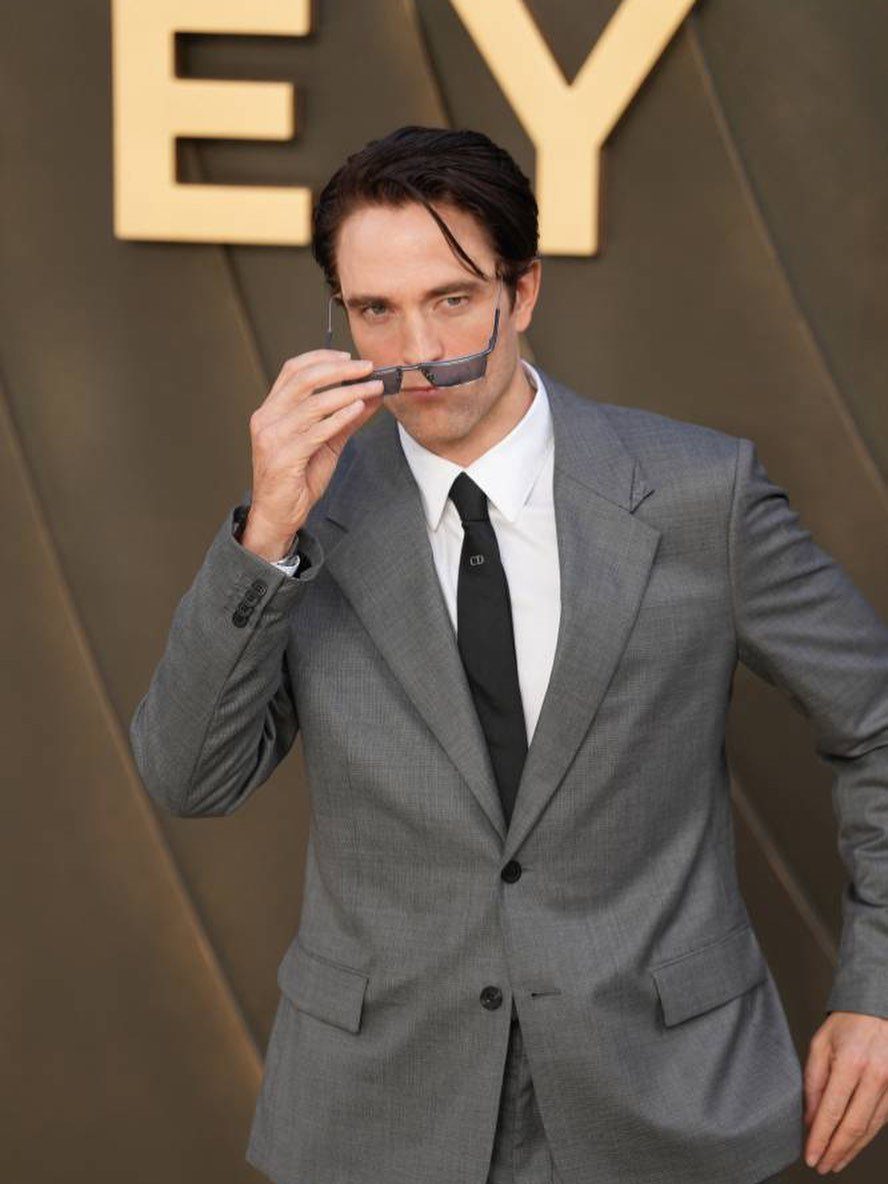
Accessories multiply fast and most of them do nothing.
A tie and a watch are enough. No pocket square fighting for space, no lapel pin, no stacked bracelets.
Formal menswear already has built-in detail: satin lapels, shirt studs, cufflinks if the shirt calls for them.
Adding more just crowds the frame. Keep it to a watch and whatever the dress code requires, then stop.
One or two pieces read as intentional. 5 read as nerves.
7. Well-Groomed Hair
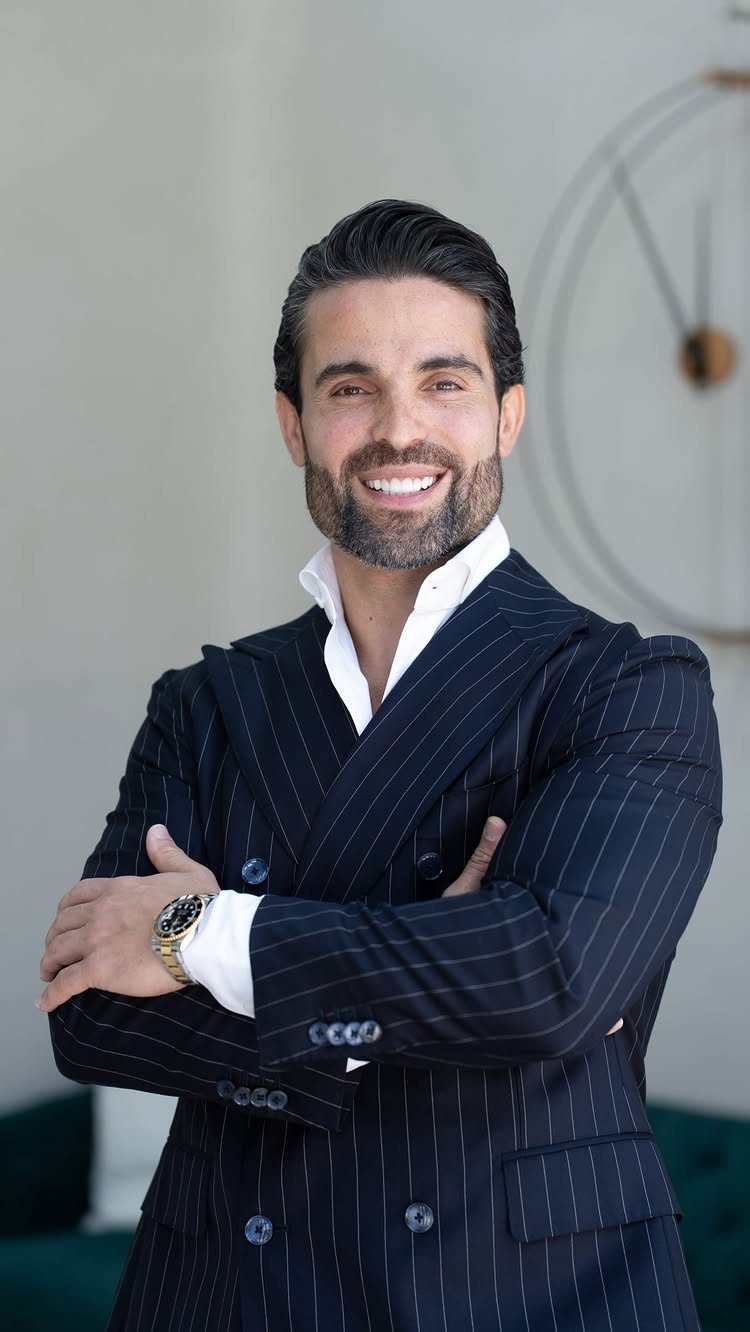
Hair this sharp does not happen by accident. Slicked back, trimmed tight, or styled with texture, the look needs product and a few minutes before you leave.
Use a medium-hold pomade or styling cream, comb it through damp hair, and set it in place.
A fresh haircut in the week before the event keeps the shape clean. Beard grooming counts too: trim the edges and oil it if you are keeping facial hair.
Good tailoring gets most of the attention, but hair that looks like you forgot about it will pull focus the wrong way.
Getting it right on the red carpet is, admittedly, a difficult task. Observing tradition and knowing how to rebel is why most men hire stylists to sweat the details.
— GQ
8. Real Bowtie
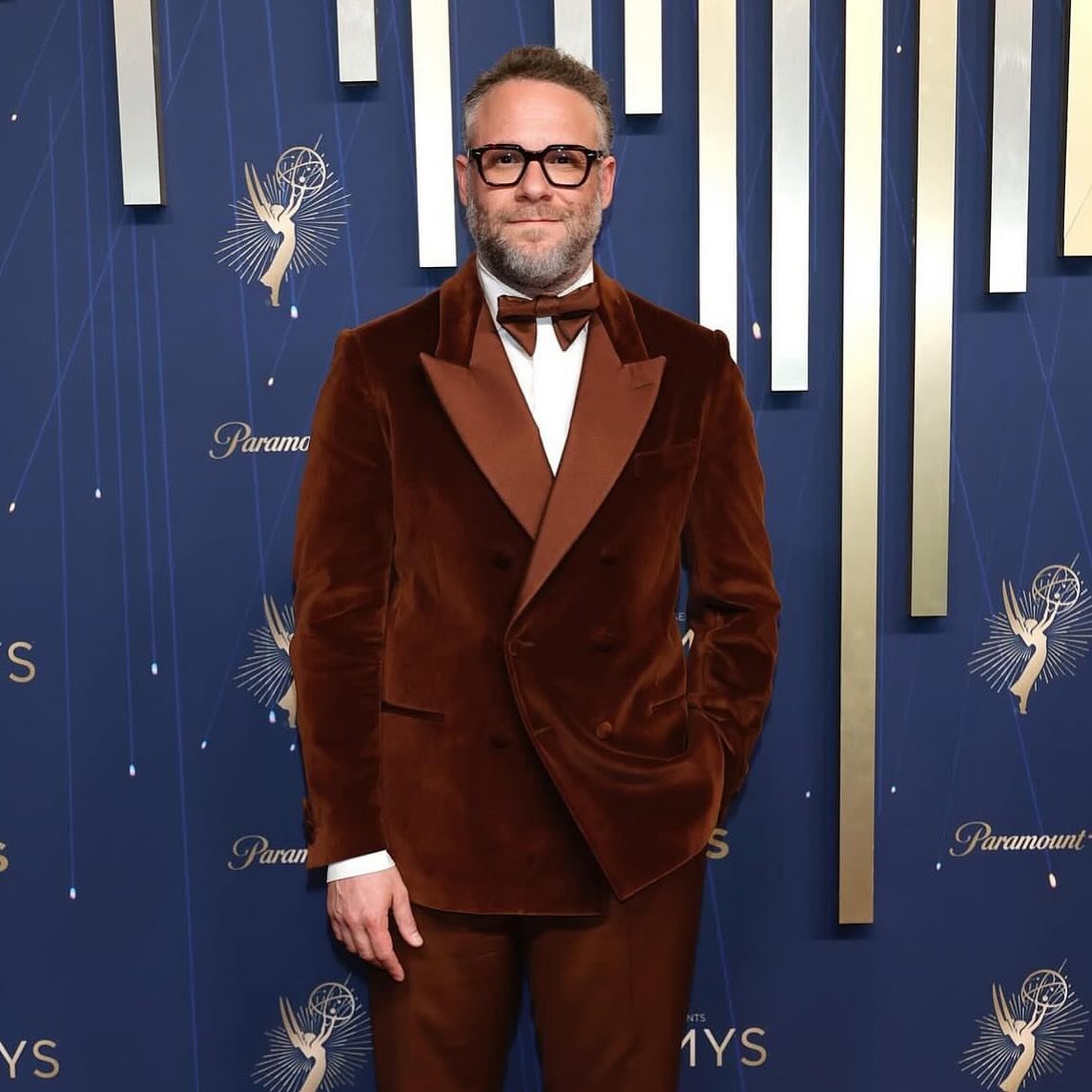
Tie a real bow tie. The shape sits flatter, the ends fall at the right length, and the slight asymmetry reads as craft rather than costume.
Pre-tied versions clip on or loop under the collar and look exactly like what they are.
A real bow tie is simple to learn and holds all night. The knot should finish about as wide as your collar points, with ends that do not extend past the bow itself.
If the event calls for black tie, wear an actual one.
Importance of Fit
Fit determines whether the outfit works before anyone notices the fabric or the details.
A jacket that pulls across the back or sleeves that stop an inch short of your wrist bone will register as wrong even to someone who cannot name why.
Most fit problems happen at the shoulder and the sleeve length. The shoulder seam should sit right where your shoulder ends, not hanging over your arm or riding up toward your neck.
Sleeves should end where your wrist meets your hand, showing about half an inch of shirt cuff when your arms hang naturally.
Trousers need attention too.
The waist should sit comfortably without a belt holding them up, and the break at the shoe should be clean. A single small break is fine; fabric pooling around your ankles is not.
If the rental does not fit, get it altered or find something else. No accessory fixes a bad fit.