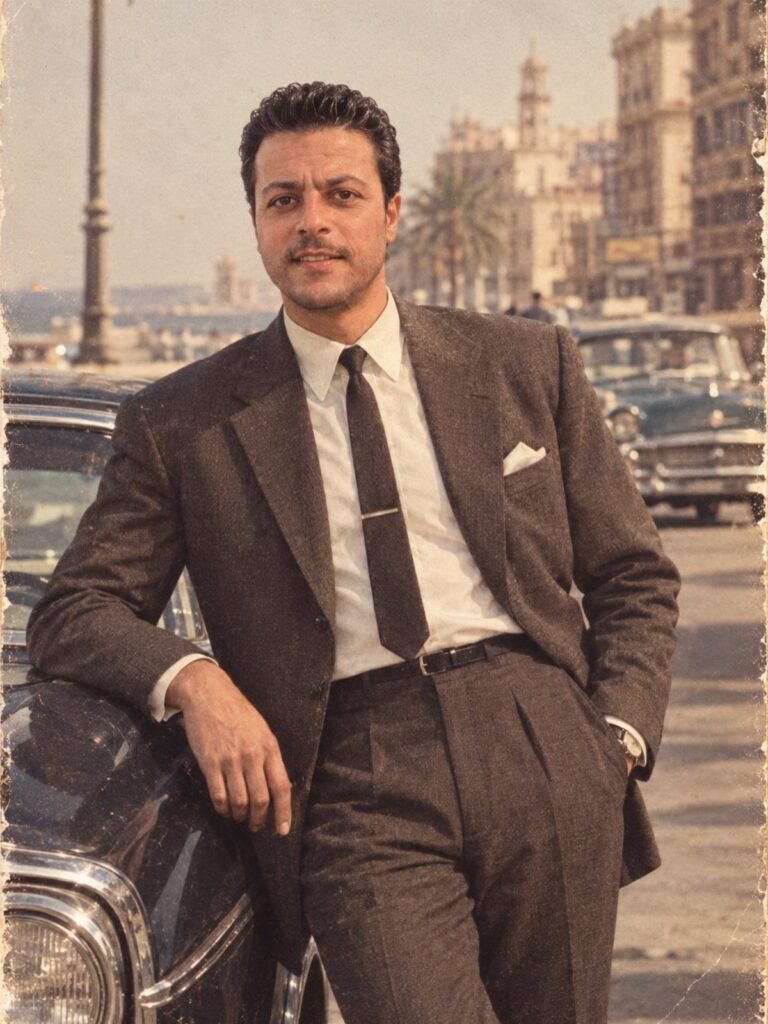
Men’s style in the 1960s moved from narrow-lapeled suits and fitted sport coats early in the decade to bell-bottoms, shearling, and bright prints by 1969.
The transition reflects a broader shift from conservative formality to personal expression, driven by youth culture and figures like The Beatles, Steve McQueen, and Jimi Hendrix.
If you’re building a look from this period, the silhouette you choose depends on which half of the decade you’re pulling from: the Mod-influenced slim tailoring that dominated the early years, or the flared legs and bold color that defined the late 60s.
1. Slim-Fitting Suits with Narrow Lapels
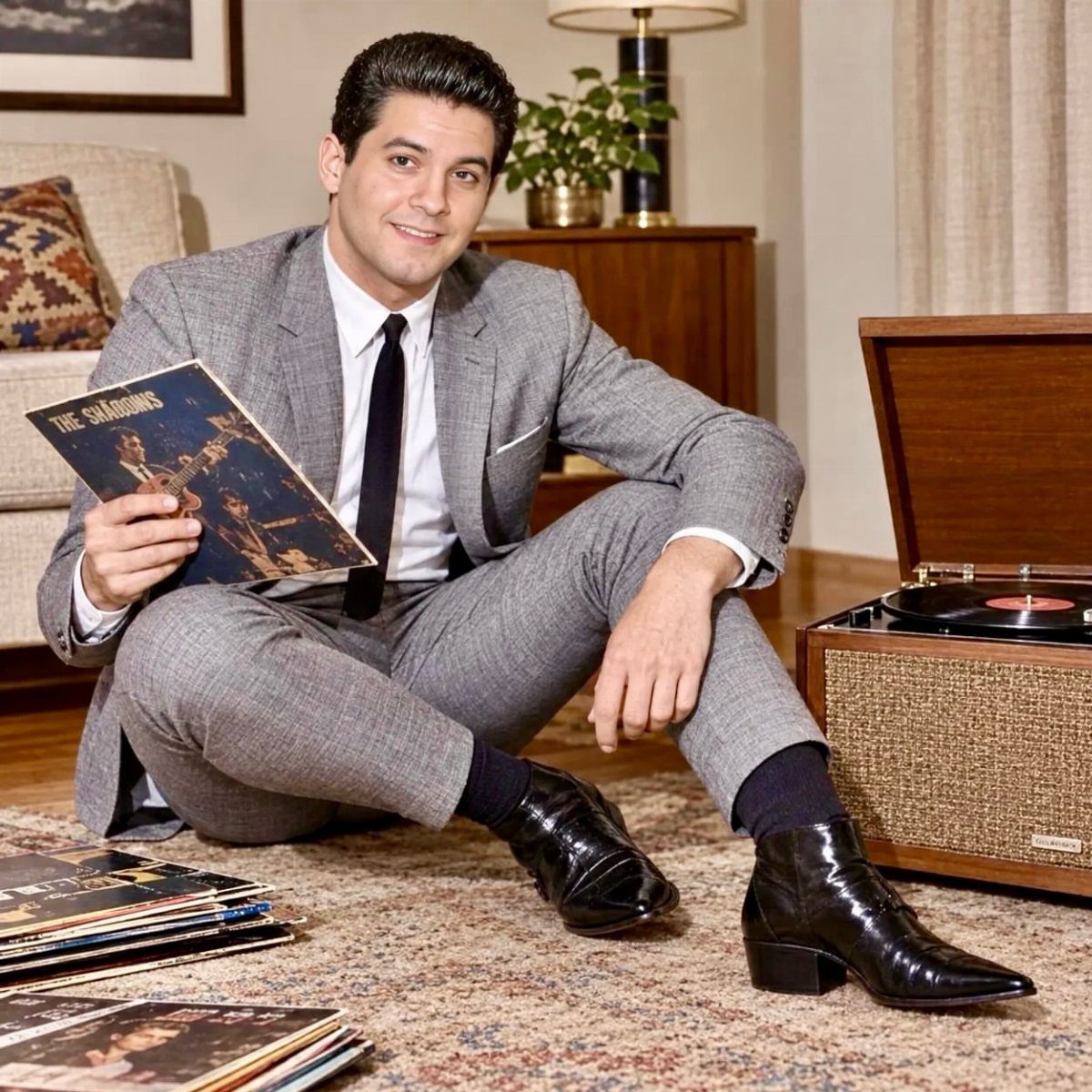
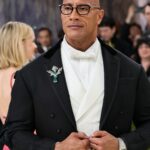
The jacket sits close to the torso, with lapels that run narrow compared to the wider styles men wore in the 50s.
Those slim proportions came from British bands crossing into American style, particularly groups like The Beatles who made fitted tailoring part of their image. The cut keeps your silhouette clean without extra fabric pooling at the waist or chest.
A knitted tie keeps the look slim and textured. The texture breaks up the formality while the narrow width matches the lapel.
2. Bell-Bottoms
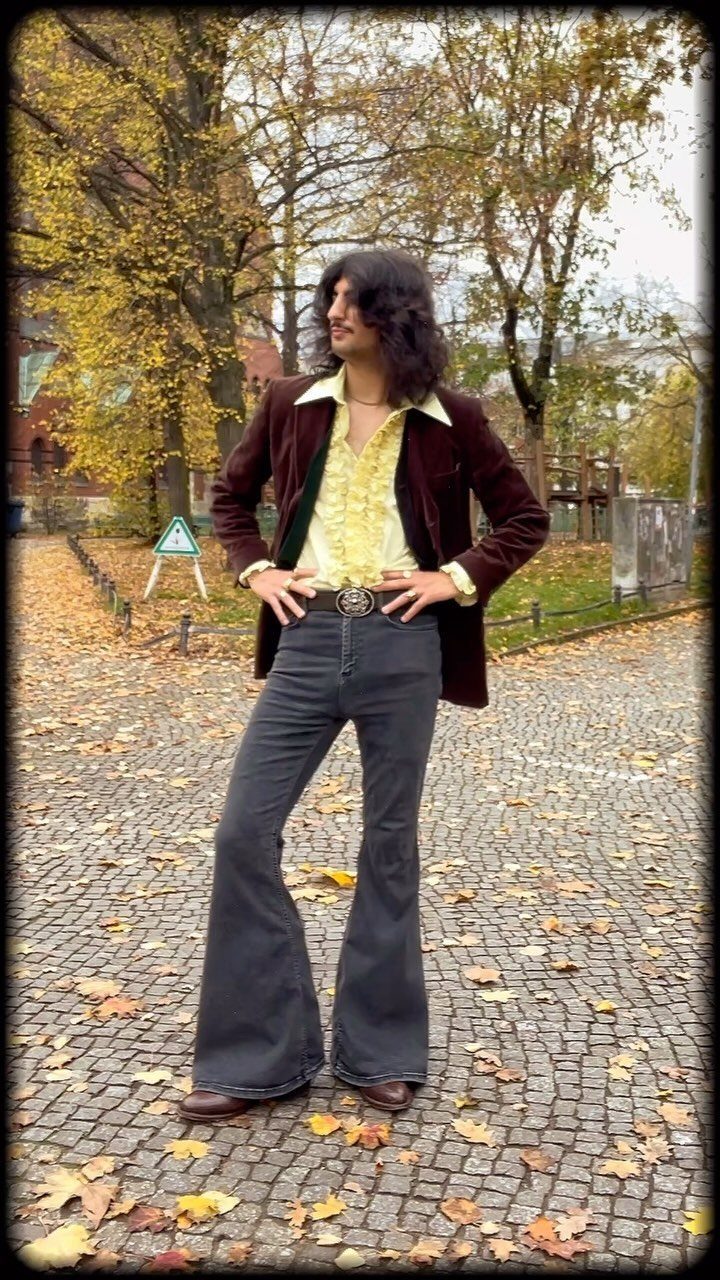
Bell-bottoms widened gradually from the knee down, creating a flared leg that balanced out your upper body. The shape fits close at the hip and thigh, then opens to a wide hem that sits over the shoe.
The style arrived late in the decade. Velvet was a common fabric choice, though denim and corduroy worked the same way.
Pair them with a shirt that has some volume, like a ruffled front. The width at the ankle needs something with presence on top or the proportions tip out of balance.
3. Khaki Pants and Harrington Jackets
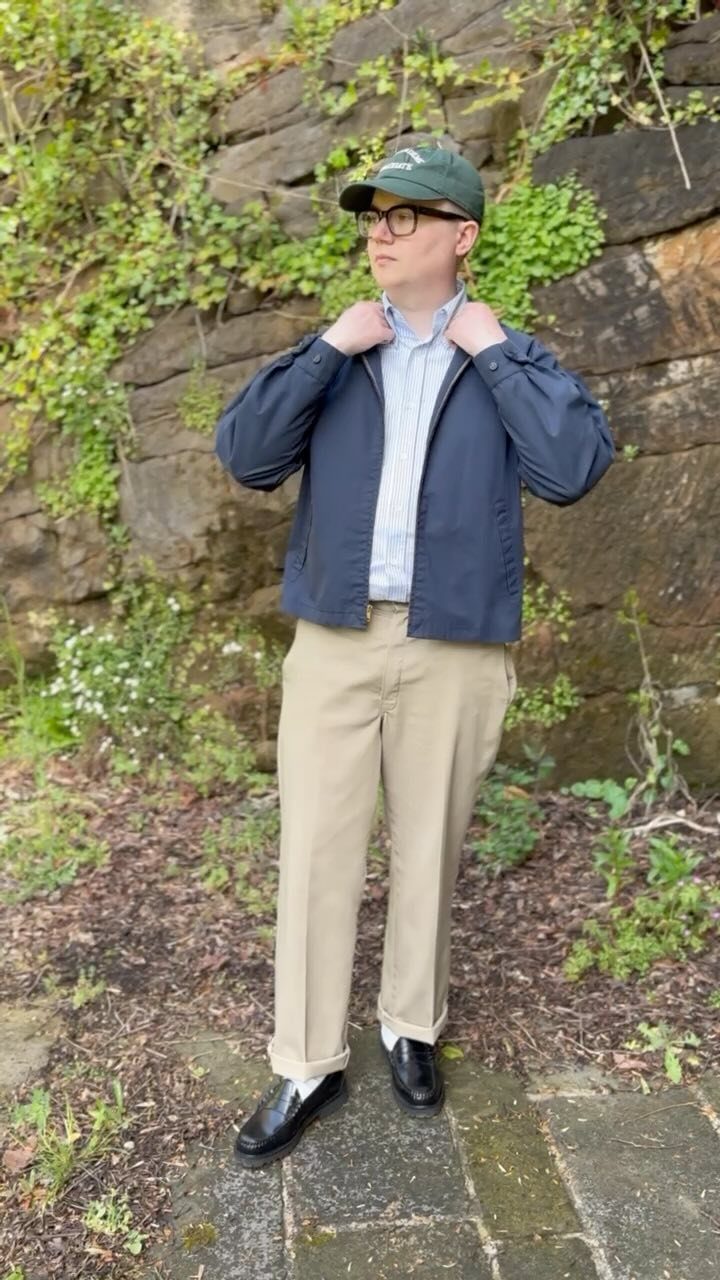
This pairing became the uniform for guys who wanted to look put-together without wearing a suit. The Harrington jacket runs short, ending at the waist with a zip front and a tartan or check lining inside.
Khaki pants keep the look grounded. The cut sits at a natural waist and runs straight through the leg, neither slim nor wide.
A button-down shirt underneath works for most settings. Navy pairs well with lighter khakis, giving you contrast without much effort.
4. Sport Coats
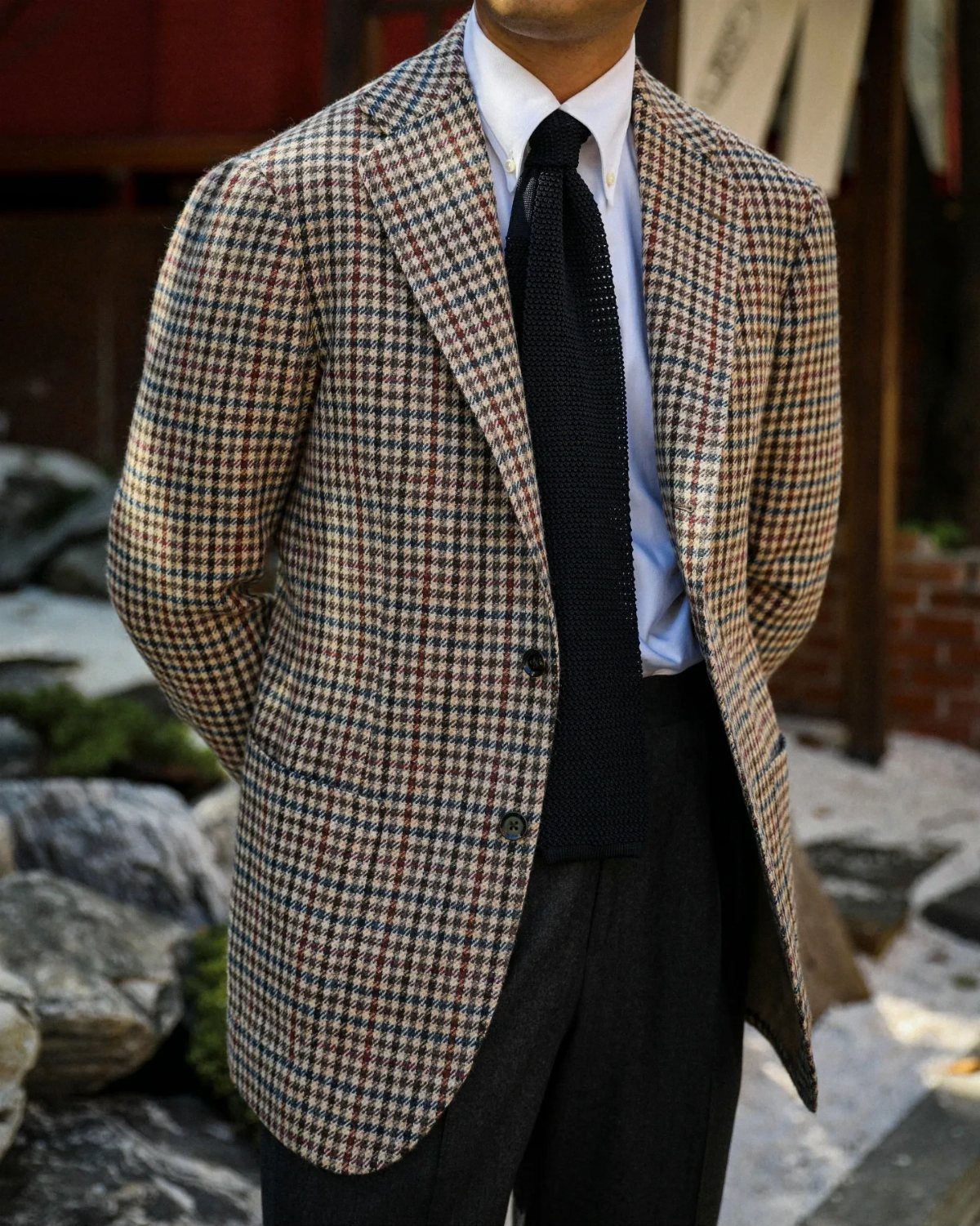
A sport coat gave you the structure of a suit jacket without requiring matching trousers. The pattern 60s men reached for: checks in 2 colors that read as texture from a distance.
The knit tie keeps the formality in check while the coat adds weight to your shoulders.
Sport coats let you mix patterns and textures more freely than a full suit. Brown or grey checks pair with most trouser colors, and the single-breasted cut stays versatile across different builds.
5. Rocker Leather Jacket and Scarf
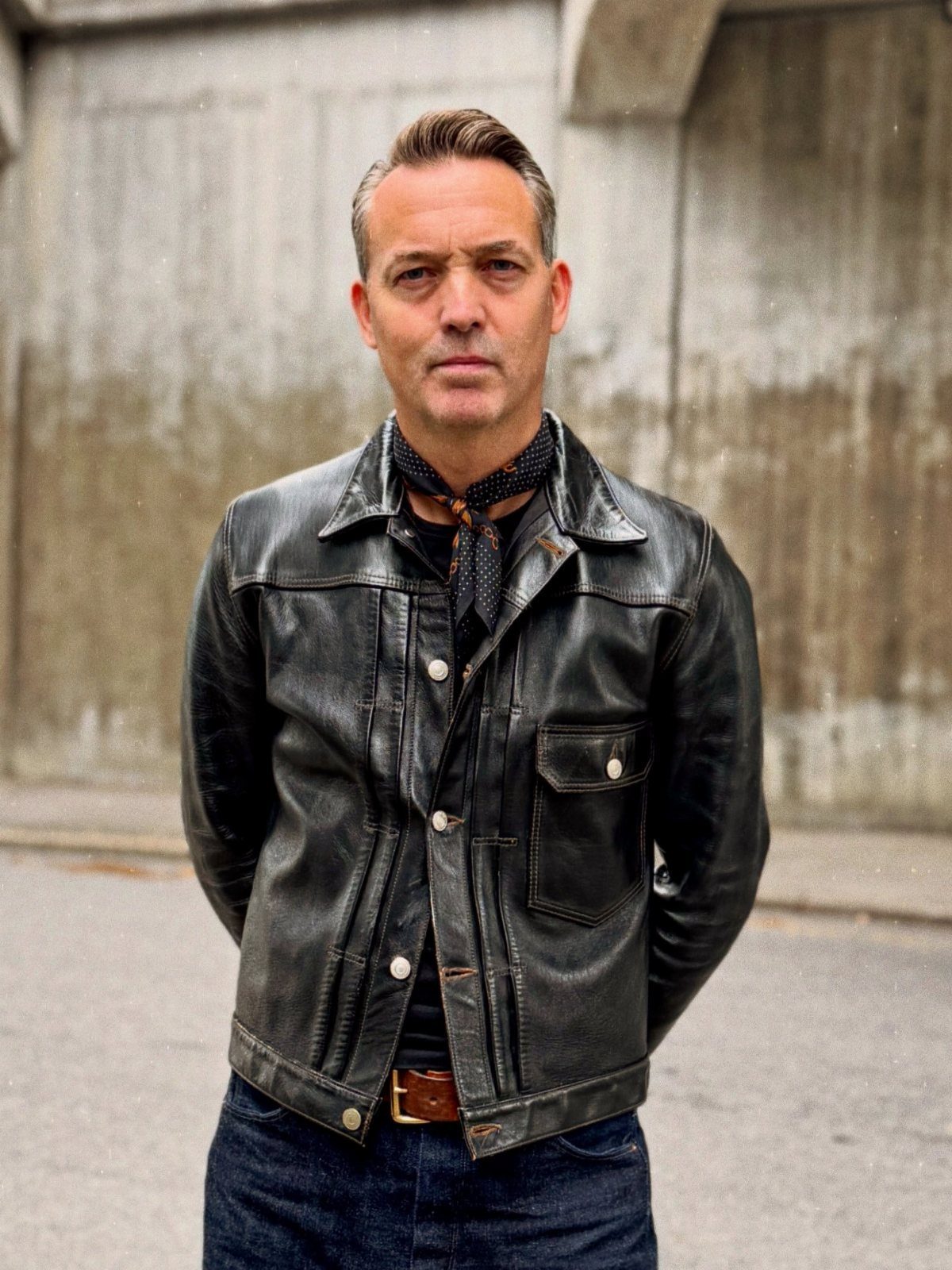
The cut runs cropped and fitted, sitting at the natural waist with a simple collar. The style came from motorcycle culture but crossed into everyday wear by the mid-60s.
A patterned neck scarf softens the leather without losing the edge. Tie it loosely to add a focal point near your face.
Dark jeans complete the look.
I’d keep them slim but not tight, matching the jacket’s proportions. The outfit works best when each piece fits close without pulling or bunching.
6. Casual Short-Sleeve Button-Down
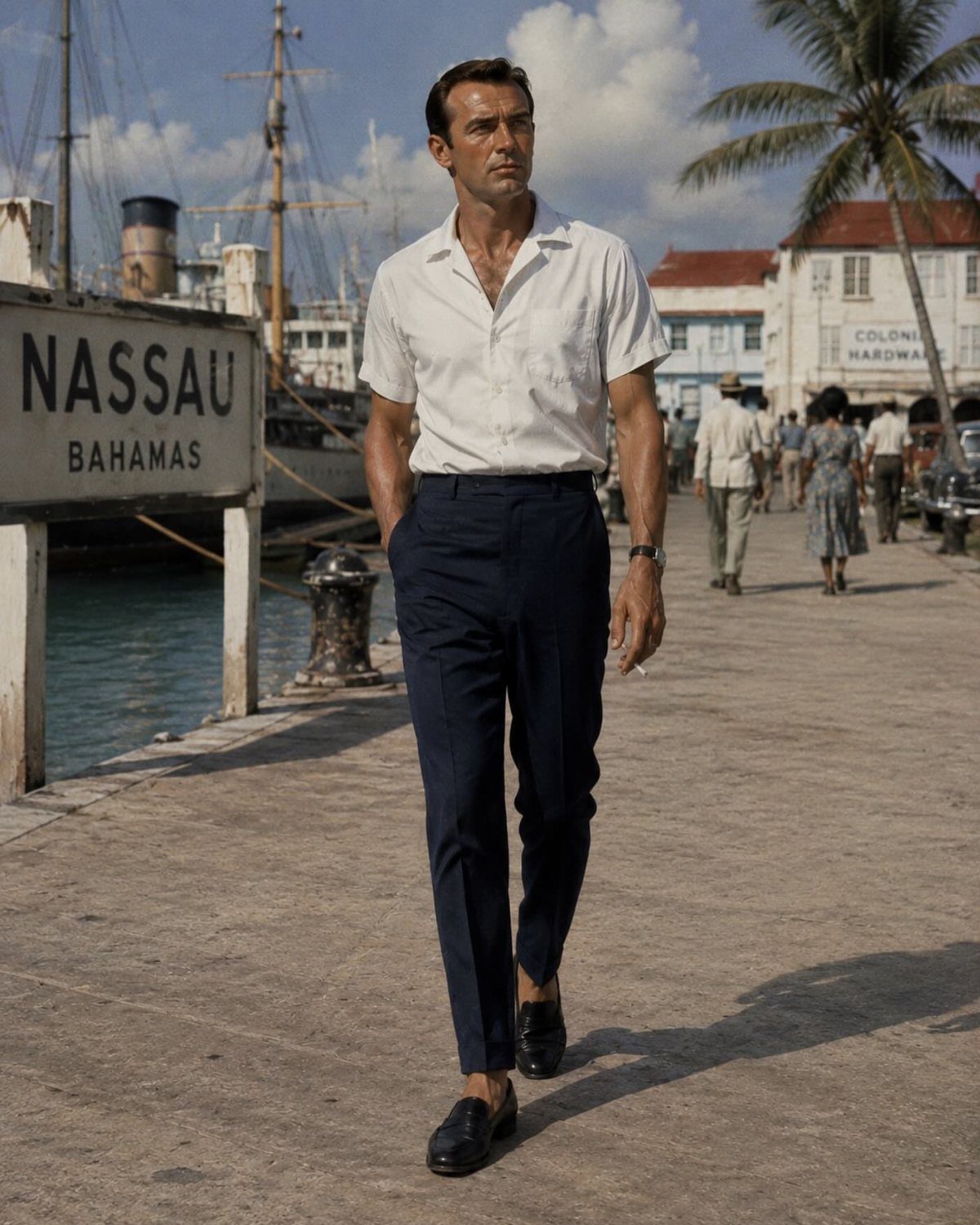
A white short-sleeve button-down keeps you cool without looking too casual. The straight hem sits just below the belt, meant to be worn tucked into navy trousers.
The short sleeves make this better for warm weather than rolling up a long-sleeve shirt. Loafers finish the outfit and keep the look light.
I’d wear this for anything that calls for more than a T-shirt but less than a blazer. The white shirt and dark trousers give you contrast that reads cleanly from a distance.
7. Shearling Winter Coat
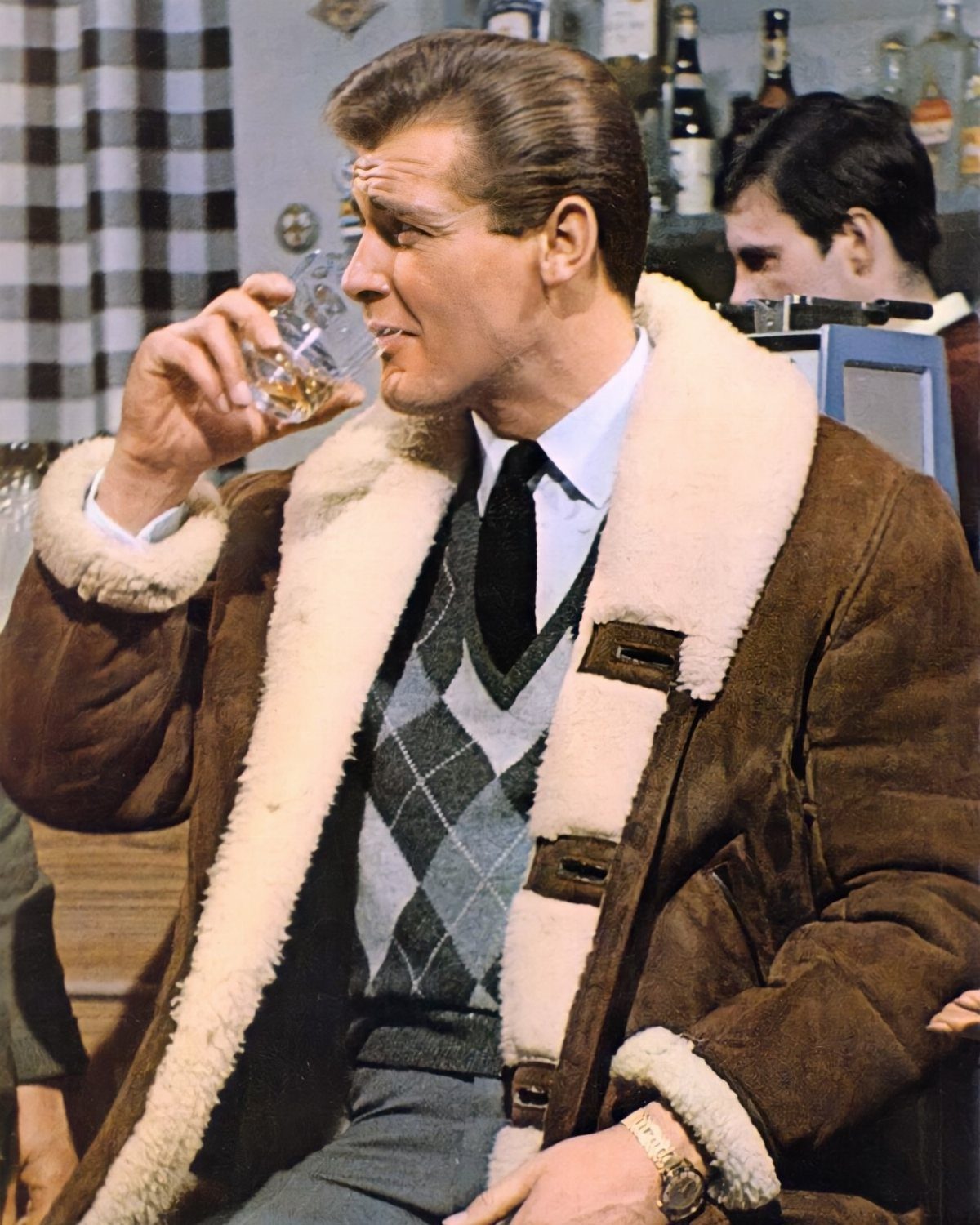
Shearling keeps your torso warm without adding the bulk of a heavy topcoat. The fleece sits on the inside, and the suede faces out, giving you texture that reads from a distance.
Layer it over a sweater vest and shirt when the temperature drops. The argyle pattern gives you detail that works with the coat’s texture rather than against it.
Brown shearling pairs with most trouser colors.
8. Casual Cardigans and Sweaters
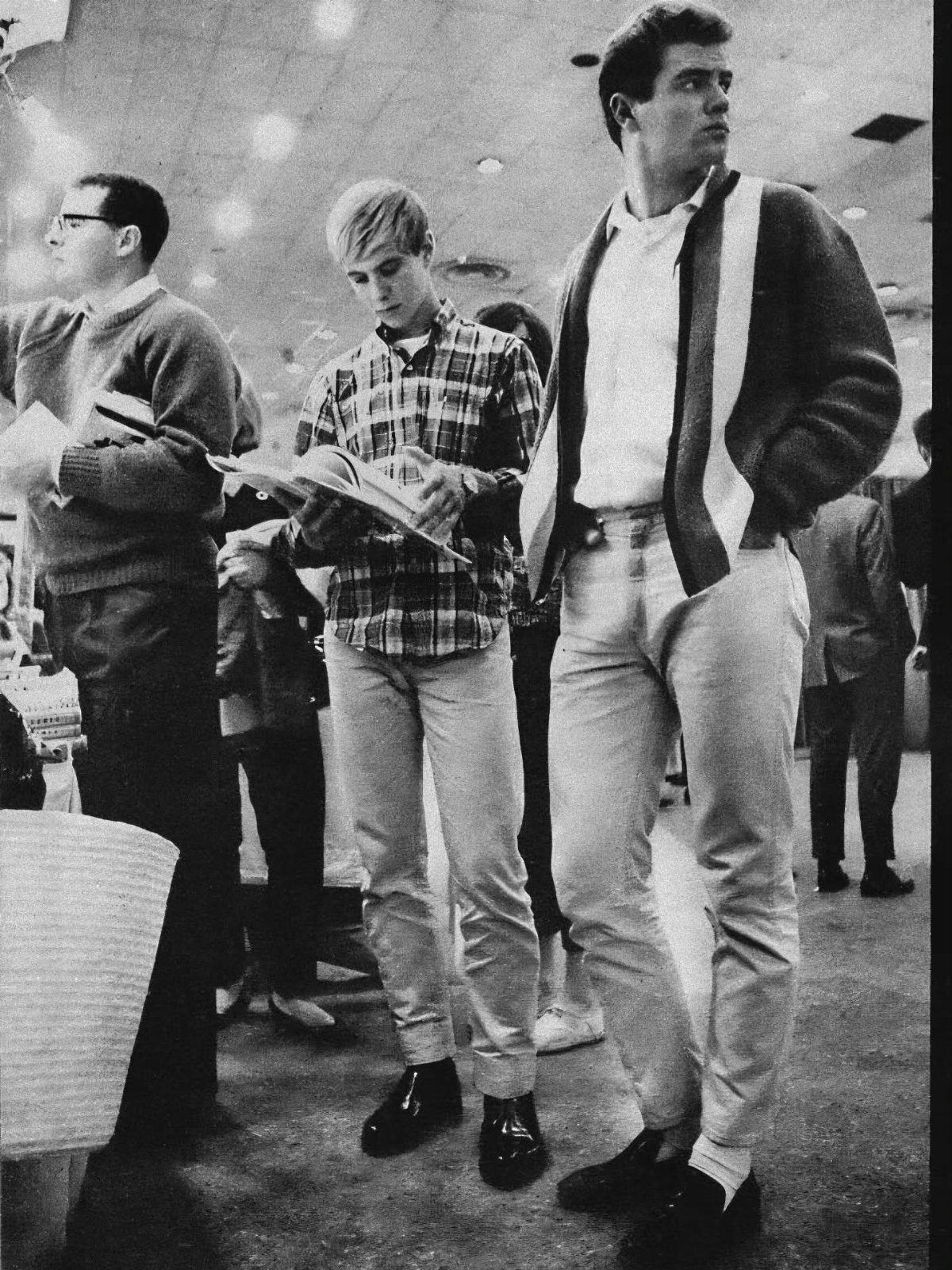
Cardigans and crewneck sweaters gave you warmth without the formality of a jacket. The cardigan buttons up the front, letting you wear it open or closed depending on the temperature.
A collared shirt underneath keeps the look polished. Light-colored trousers balance the darker tones most knitwear came in during the decade.
I’d reach for a cardigan when you need a layer that works indoors and out. The crewneck runs simpler and works best under a coat or on its own with jeans.
9. High-Waisted Trousers and Cap
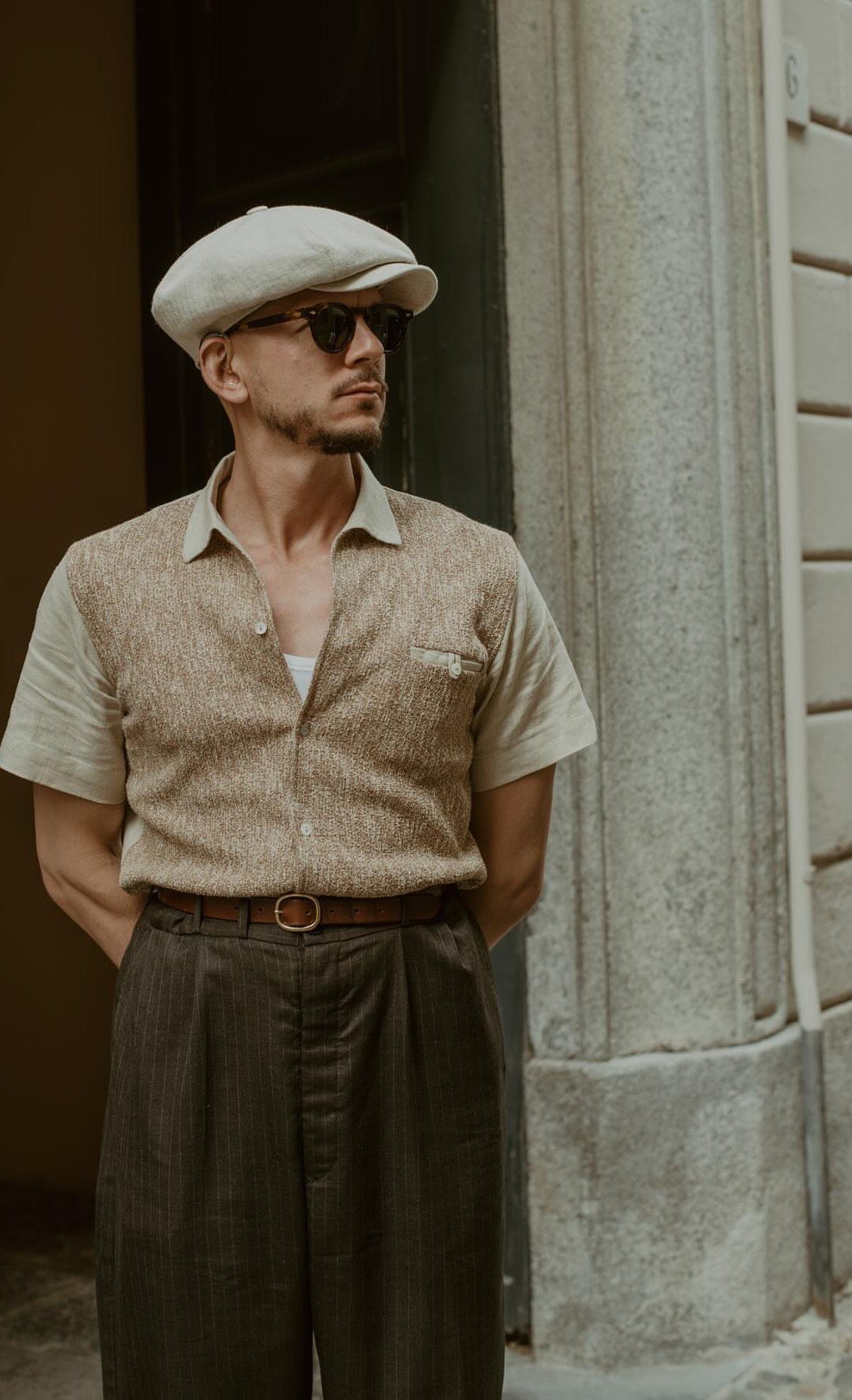
High-waisted trousers sit above your natural waist, lengthening your legs and creating a longer line from waist to shoe. The pinstripe adds vertical movement without breaking up the silhouette.
A flat cap and textured vest keep the look grounded. The short-sleeve shirt underneath works for warmer weather while the vest adds structure.
I’d pair this with brown leather shoes to match the warm tones in the vest. The cap should fit snugly without sitting too far back on your head.
10. Knitted Shirts and Slim-Fit Trousers
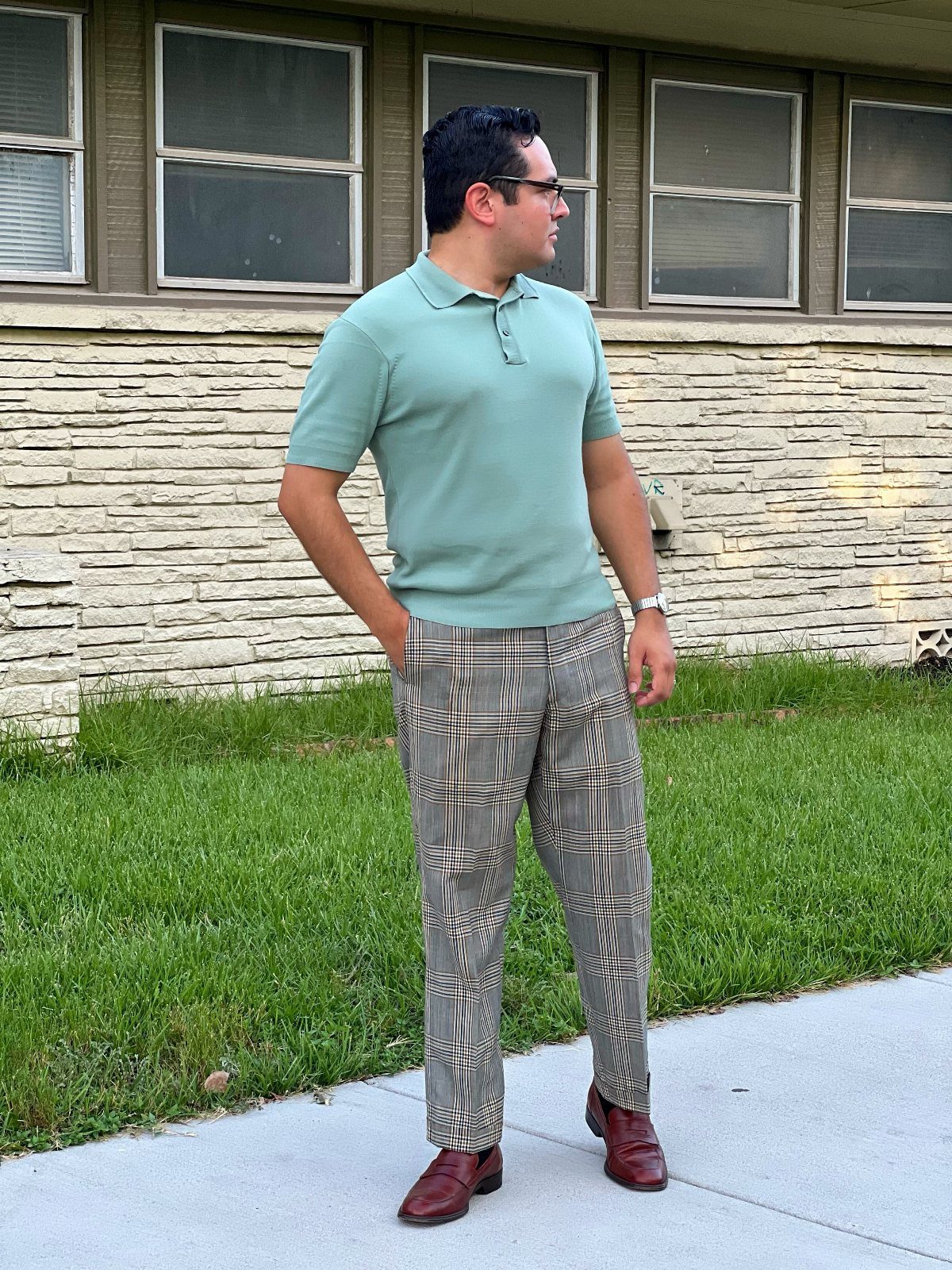
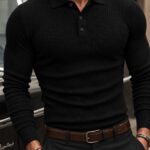
A knitted polo gives you the structure of a collared shirt with the comfort of knitwear. The fabric has more texture than woven cotton, and the collar sits flat without needing a tie.
Plaid slim-fit trousers add pattern without overwhelming the outfit.
I’d wear this for anything that falls between casual and dressed up. The knit fabric breathes better than a woven shirt, making it a good choice for warmer months.
Influence of Pop Culture
The Beatles moved from matching suits early in the decade to brighter, looser clothing later on, and that shift tracked what happened across men’s style more broadly.
Their early cuts gave Mod tailoring its shape, and what they wore later made bright color and bold pattern feel normal.
Steve McQueen built a look from turtlenecks, polo shirts, and simple jackets that still holds up. Sidney Poitier brought sharp tailoring and quiet elegance to the screen, influencing how men thought about formal dressing.
Bond’s suits made sharp dressing look effortless, and at the same time Dylan, the Stones, and Hendrix dressed in velvet, fringe, and silk that had nothing to do with restraint.
The Andy Warhol Factory scene mixed high and low, making pullover sweaters and long hair part of the same conversation as tailored suiting.
Film and music gave men permission to dress outside the conservative lines that dominated the start of the decade.
Transition from Formal to Casual
Men started the decade in conservative suits, white dress shirts, and formal appearances. By 1969, bright colors, bold patterns, and casual jackets had replaced much of that restraint.
Casualwear followed the same path. Casual clothes at the start of the decade still leaned straight: polo shirts, chinos, light wool trousers, and the button-down oxford and crewneck sweater the Ivy League made a uniform.
A few years in, fitted polos, mock necks, and denim stopped being work clothes and turned into what men wore every day. Synthetic fabrics brought new textures and silhouettes.
The late 60s saw tie-dye tees, denim outerwear, and flared jeans become common. The shift was driven by youth culture and a move away from strict dress codes.
The change is clear: 1960 brought dark colors and traditional styles, 1969 brought self-expression and experimental fashion.
Essentially, as the 1960s went on, there was no real standard uniform of dress for everyone anymore and more and more people were increasingly just wearing what they wanted, when they wanted. Be it formal, informal, trendy, traditional, conservative, or unconventional, it was all there.
Color and Pattern Trends
White shirts were standard at the start of the decade, with light blue and subtle stripes as the only real alternatives. Most went under a suit, paired with a narrow tie.
That changed as shirt manufacturers introduced brighter fabrics, wider stripes, checks, and geometric prints. Contrast collars and decorative stitching that would have looked loud in 1961 started appearing without comment.
By 1968, prints and saturated color showed up at dinners and parties as often as solid shirts. The shift reflected a broader move away from blending in.
Youth culture encouraged the change. Fashion moved from strict business attire to personal expression.
Mod style ran the first half of the decade, then hippie and psychedelic looks took the second. Both rejected conservative menswear and pushed toward self-expression through color, pattern, and new silhouettes.