Men’s style breaks into types that range from the structured formality of business suits to the loose layering of streetwear, and the one you reach for depends on where you’re going and how much formality the situation expects.
1. Tailored Blazers
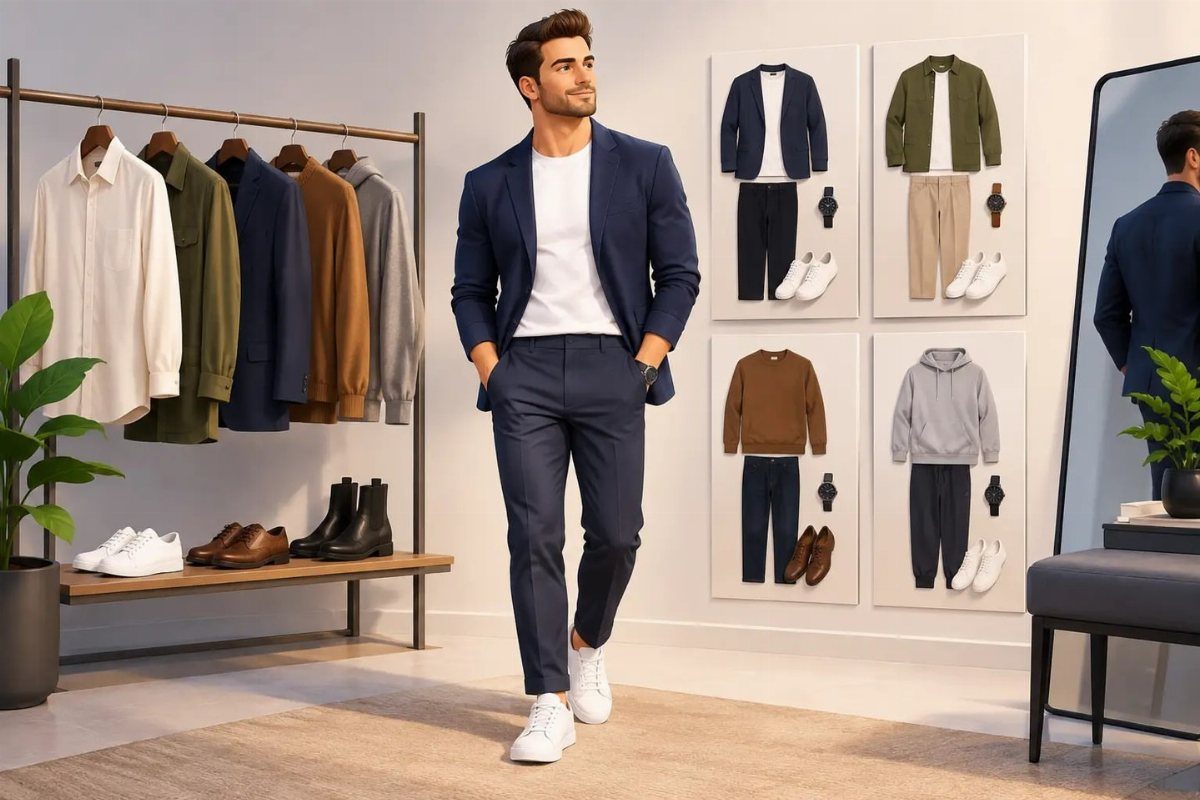
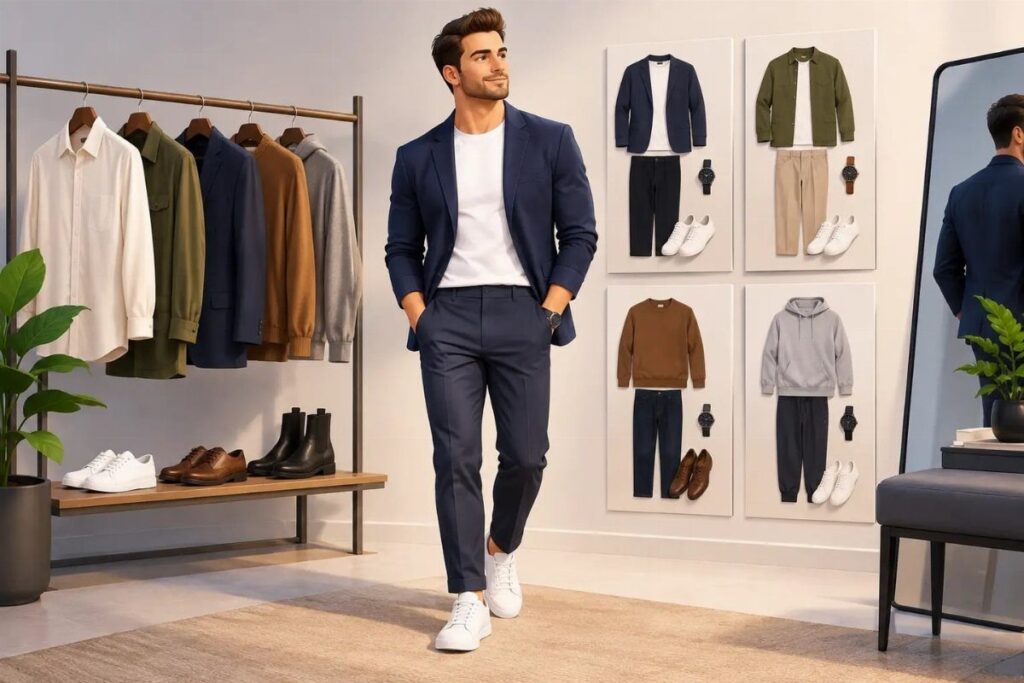
A blazer dressed down with a plain tee and sneakers turns tailoring into something you can wear most days without looking like you came straight from a meeting.
Navy works because it reads as put-together without the formality of black. The white tee keeps the whole thing simple, and white sneakers drop the dress code a notch while keeping the silhouette clean.
If the blazer fits at the shoulder and chest, the casual pieces underneath fall into place. This lands somewhere between too dressed up and too loose, which is where most situations sit anyway.
2. Smart-Casual Style
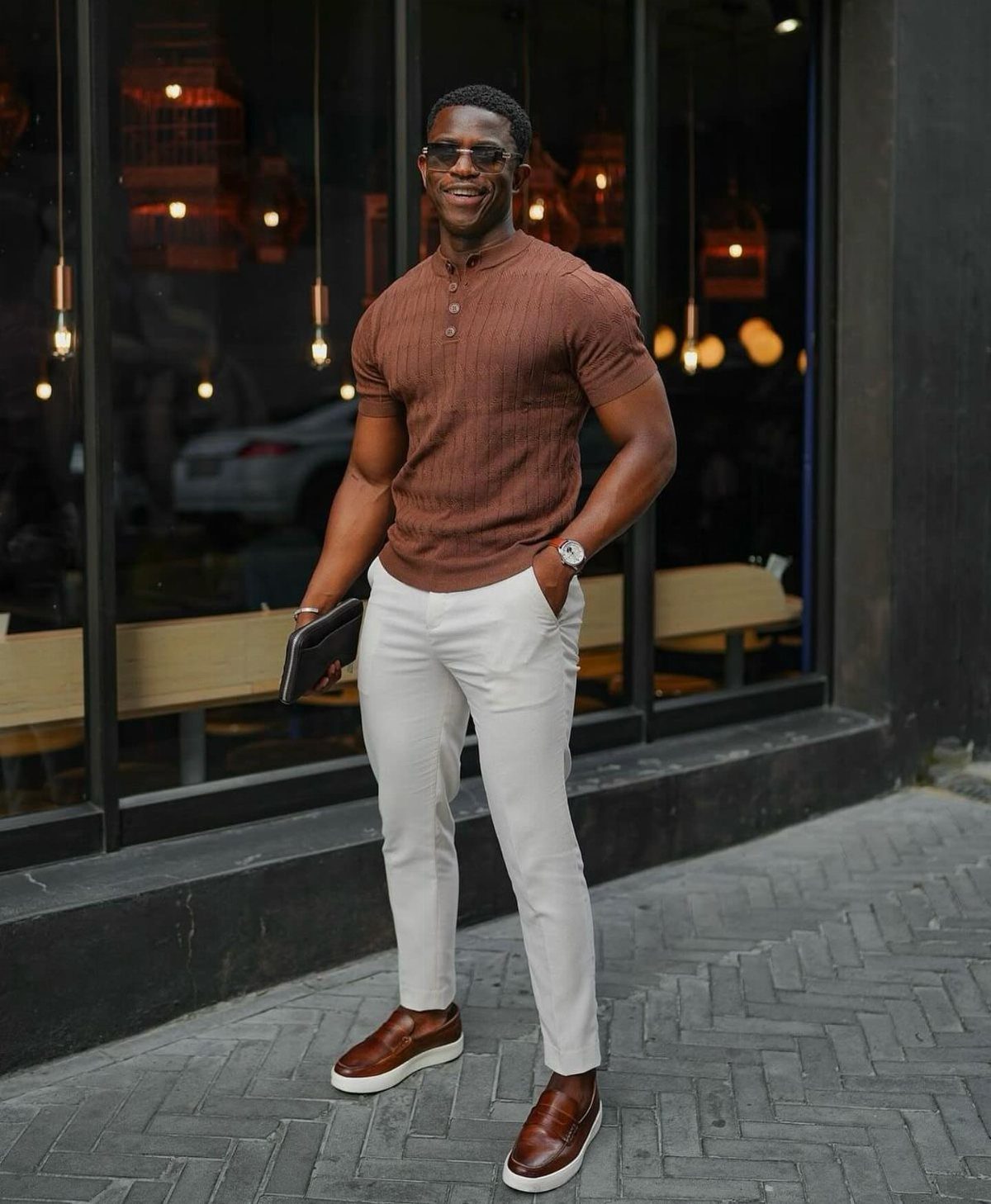
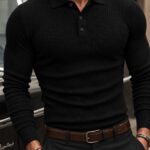
Smart-casual sits between a suit and jeans, and fabric choice is what makes that balance work. The ribbed knit has enough weight to hold structure, so it reads as more than a basic tee.
White trousers brighten the outfit without adding pattern, and brown shoes keep the whole thing grounded. The tone-on-tone brown between the shirt and shoes ties the look together without matching exactly.
This works for summer events where a blazer feels like too much but shorts feel like too little. The fit stays trim without clinging.
3. Old Money Aesthetic
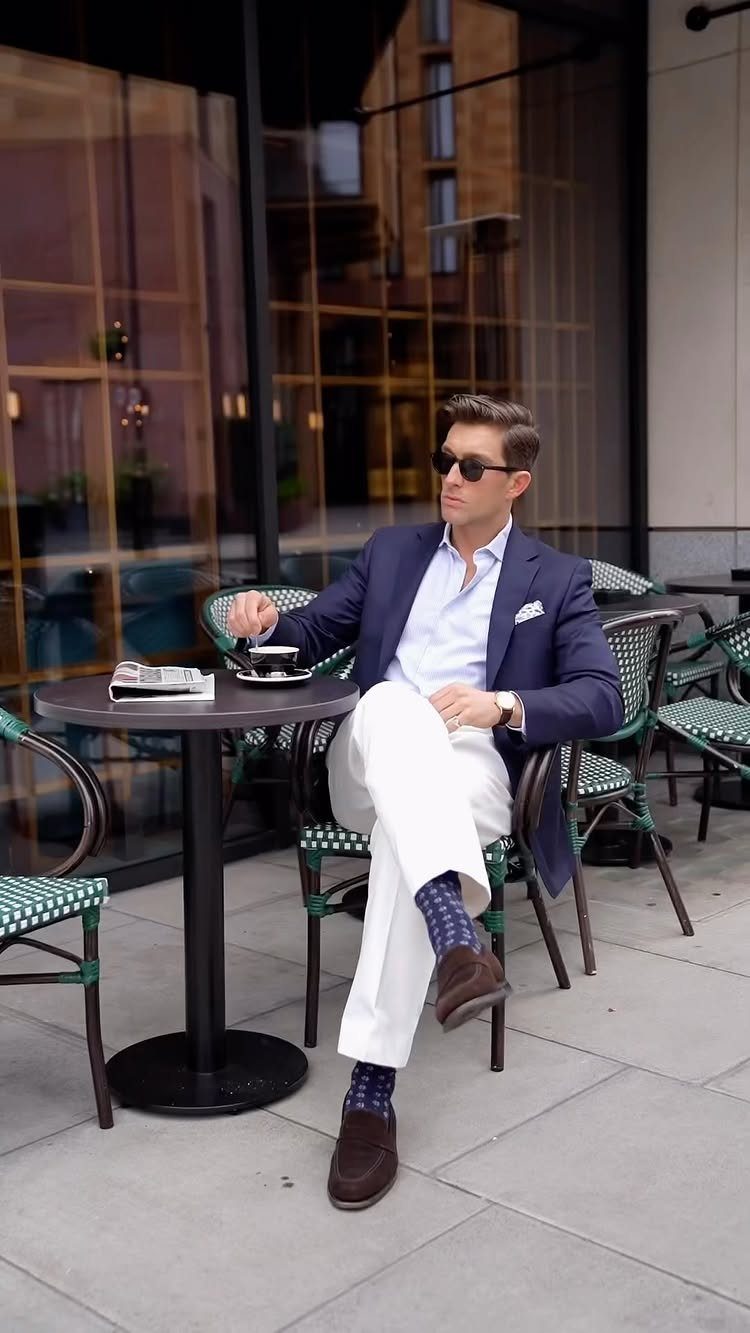
Old Money style skips logos and relies on fit and fabric instead. The navy blazer and white trousers here follow the palette of yacht clubs and country clubs, where the uniform is understated and the details are what cost money.
Brown loafers finish the look without the shine of dress shoes. The whole outfit reads as casual in a way that still clears the dress code at most places that have one.
This style works best when the pieces are simple and the tailoring is right. A blazer that fits well says more than one with visible branding.
4. Monochrome Aesthetics
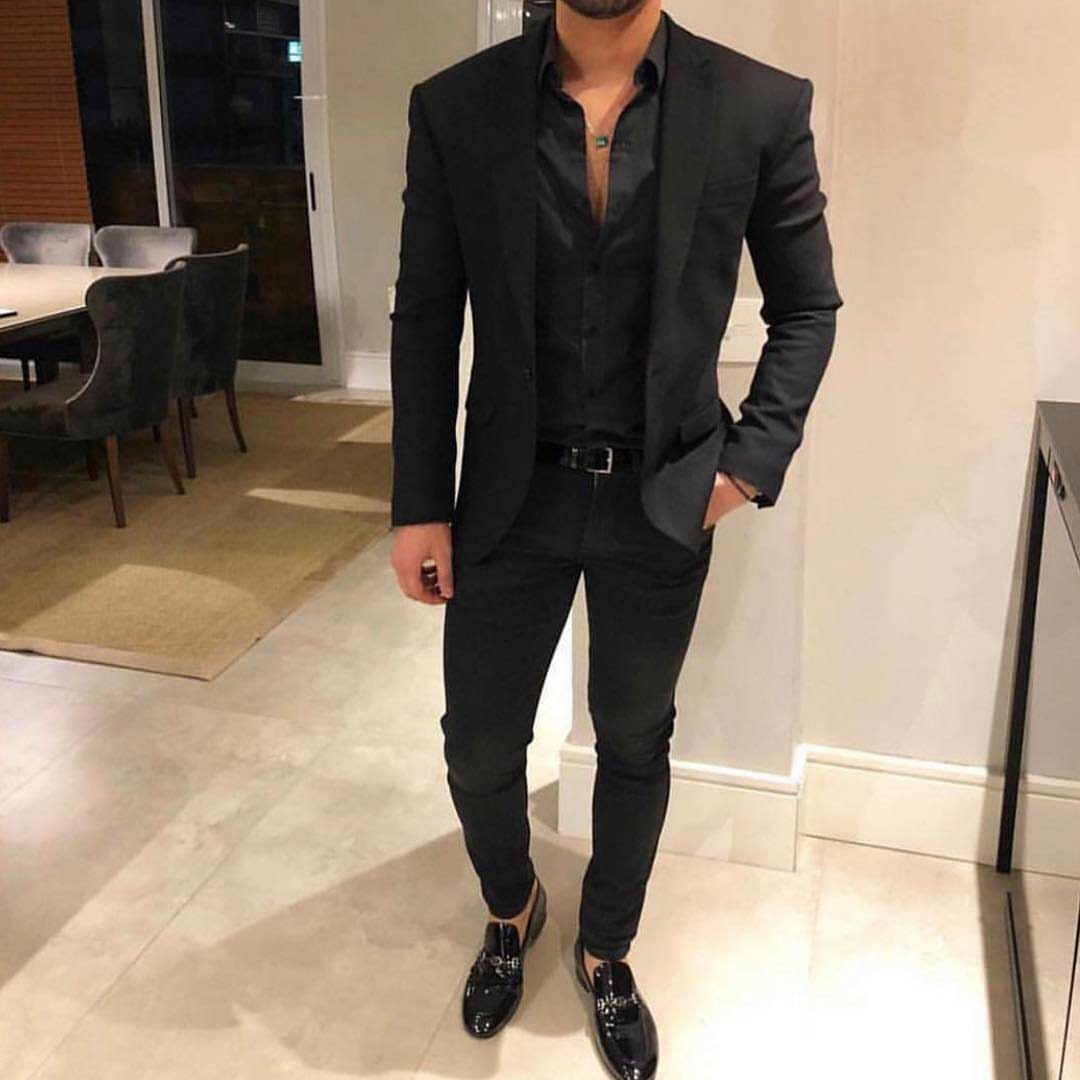
Monochrome relies on texture and fit to keep an all-black outfit from flattening out.
Black-on-black works when the pieces have distinct textures or weights. A matte shirt under a wool jacket gives the eye something to catch without adding color.
This style reads as intentional rather than safe, and it’s easier to pull off when everything is tailored close. The upside is that you can mix pieces from different outfits and still land on something that works.
5. Streetwear Style
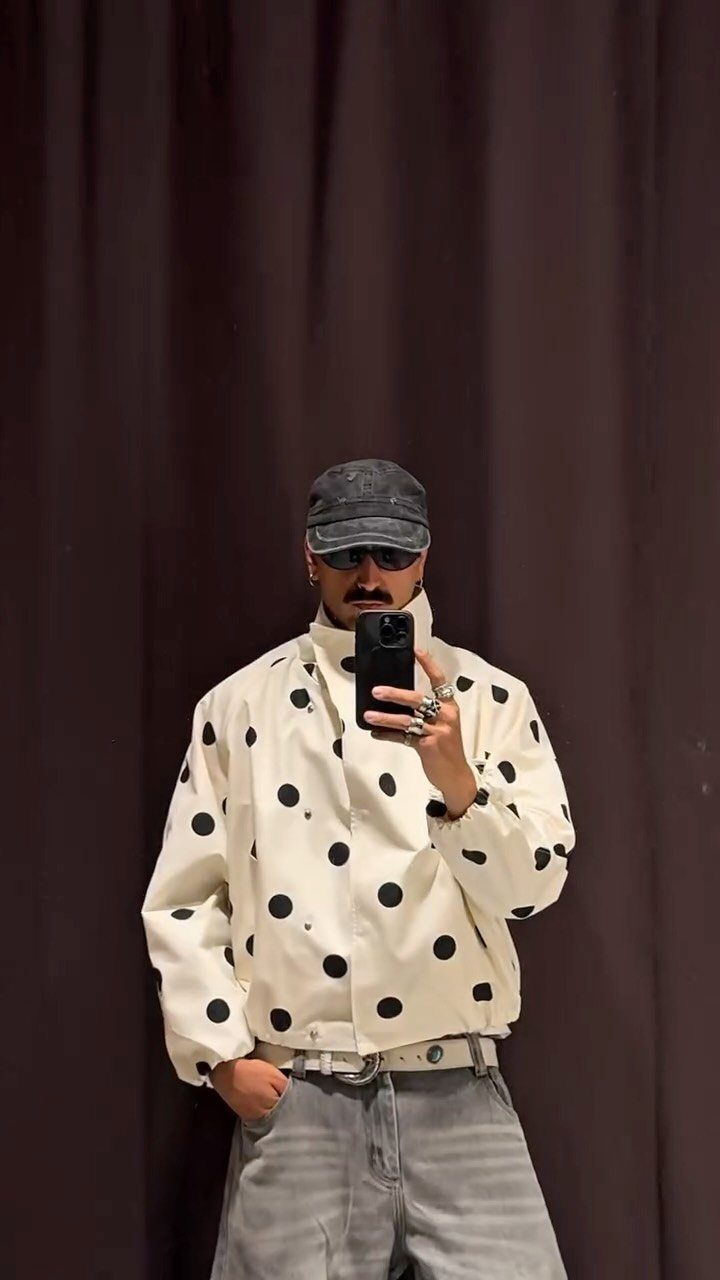
The white jacket over grey pants keeps the proportions loose without losing shape.
Accessories like the cap and sunglasses add to the look rather than just filling space. Streetwear tends to layer pieces that would be focal points on their own, so the jacket’s pattern works because the rest stays neutral.
This style suits men who want more room in their clothes and aren’t afraid of prints. Looking intentional rather than just baggy takes more effort.
6. Leather Jacket Edgy Style
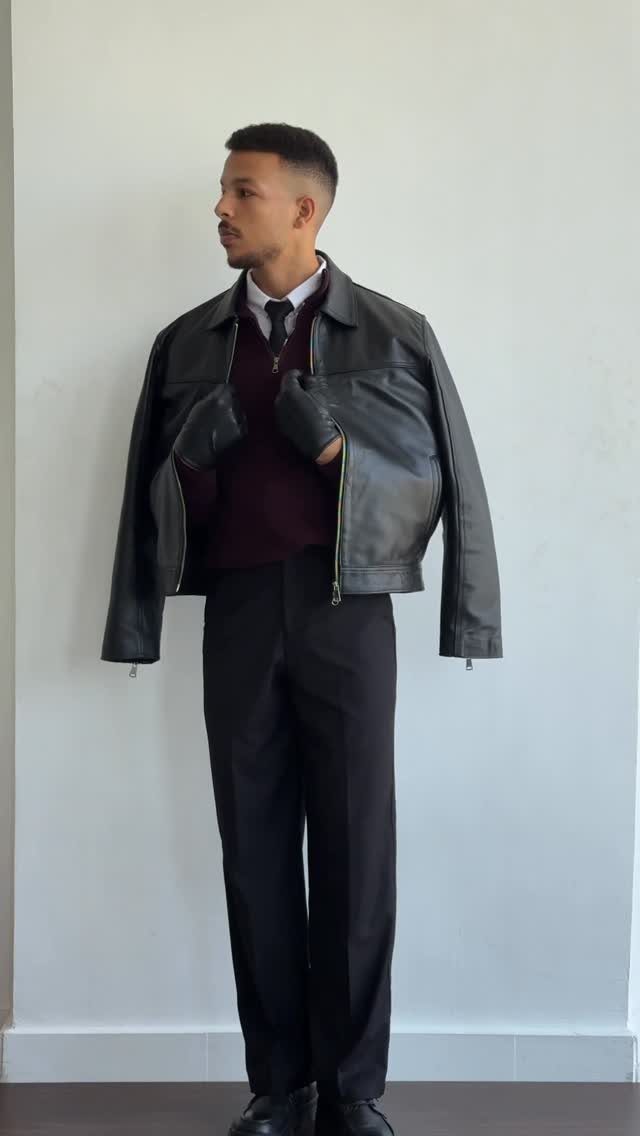
A leather jacket over tailored pieces takes the edge of the leather and balances it with the formality of a tie and collared shirt. The burgundy sweater here softens the black-on-black base and adds warmth without clashing.
Black gloves finish the look and keep the outfit from reading as business wear with a jacket thrown over it. The tie stays slim, which keeps the proportions modern rather than retro.
This works when you want the structure of tailoring but not the stiffness. The leather jacket changes the tone without changing the fit underneath.
7. Business Professional Style

Suspenders change the silhouette by pulling the trousers higher and creating a longer leg line. The look reads as formal, but it’s still just a shirt and trousers, so it works in offices where a jacket would be too much.
Green suspenders here break up the grey and white without adding pattern. The tie keeps things structured, and the whole outfit stays in the business dress code while looking less predictable than the usual pairing.
This suits men who want to stand out without leaving the dress code behind.
8. Minimalist Overcoat Style
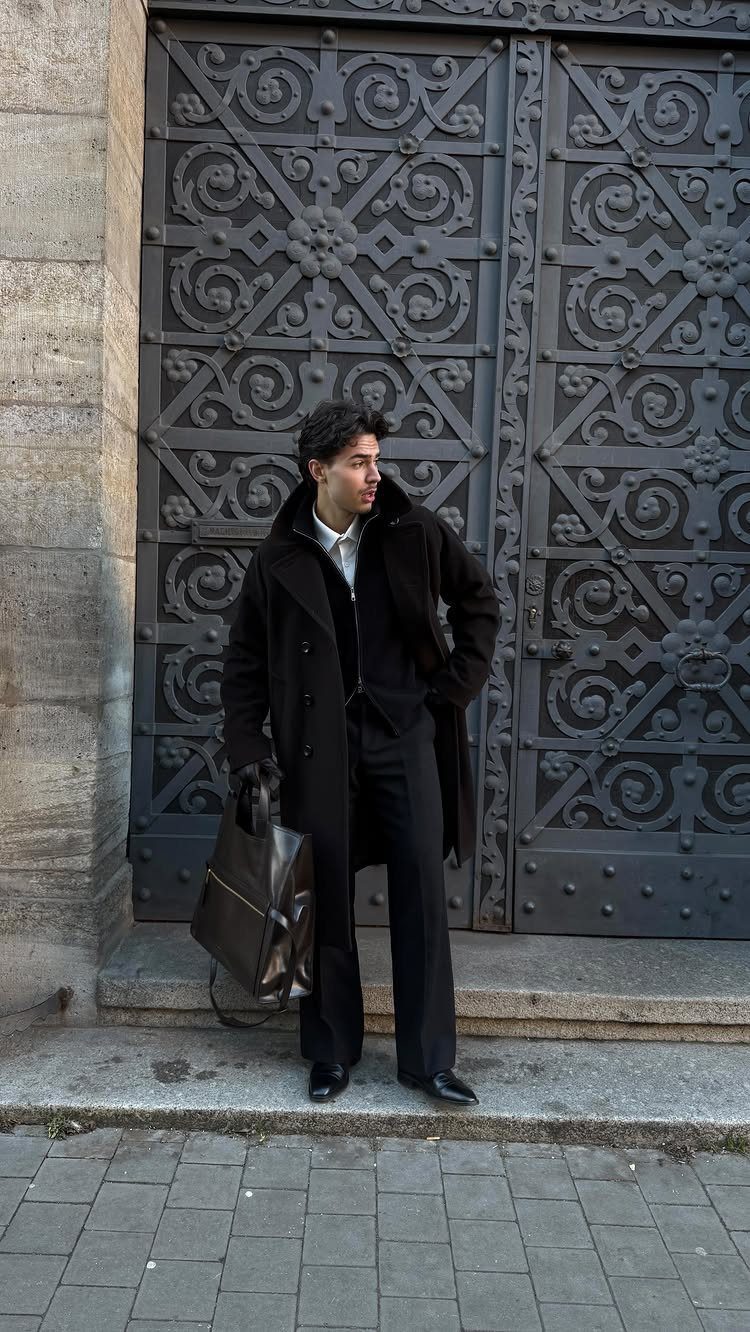
A black overcoat over a white shirt and dark trousers strips the outfit back to 3 pieces. The coat does all the work, so fit matters more than detail.
Black-on-white-on-black keeps the palette tight, and the whole thing reads as polished without requiring much thought in the morning.
This works when you need to look put together but don’t want to layer a blazer under the coat. The overcoat becomes the structure.
9. Relaxed Knitwear Style
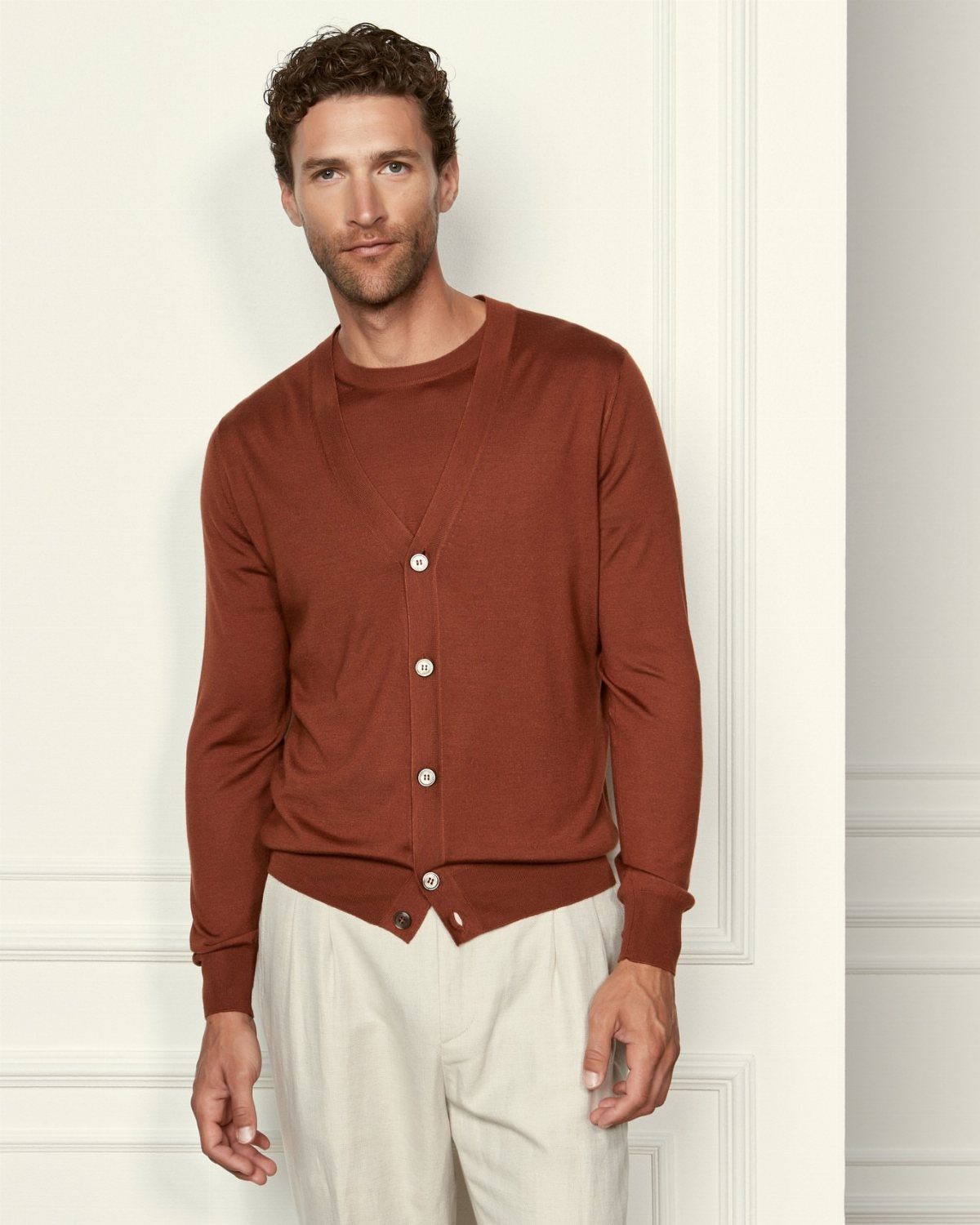
A cardigan over a matching tee in the same color family keeps the outfit simple while adding a layer.
Rust tones warm up the neutral base of off-white trousers, and the button-up cardigan gives you the option to adjust how casual the look feels.
This style works for men who want comfort without looking like they just rolled out of bed. The fit stays relaxed, and the knit texture adds interest without pattern.
Off-white trousers lighten the outfit and keep the rust from feeling too heavy.
10. Preppy Shorts and Loafers
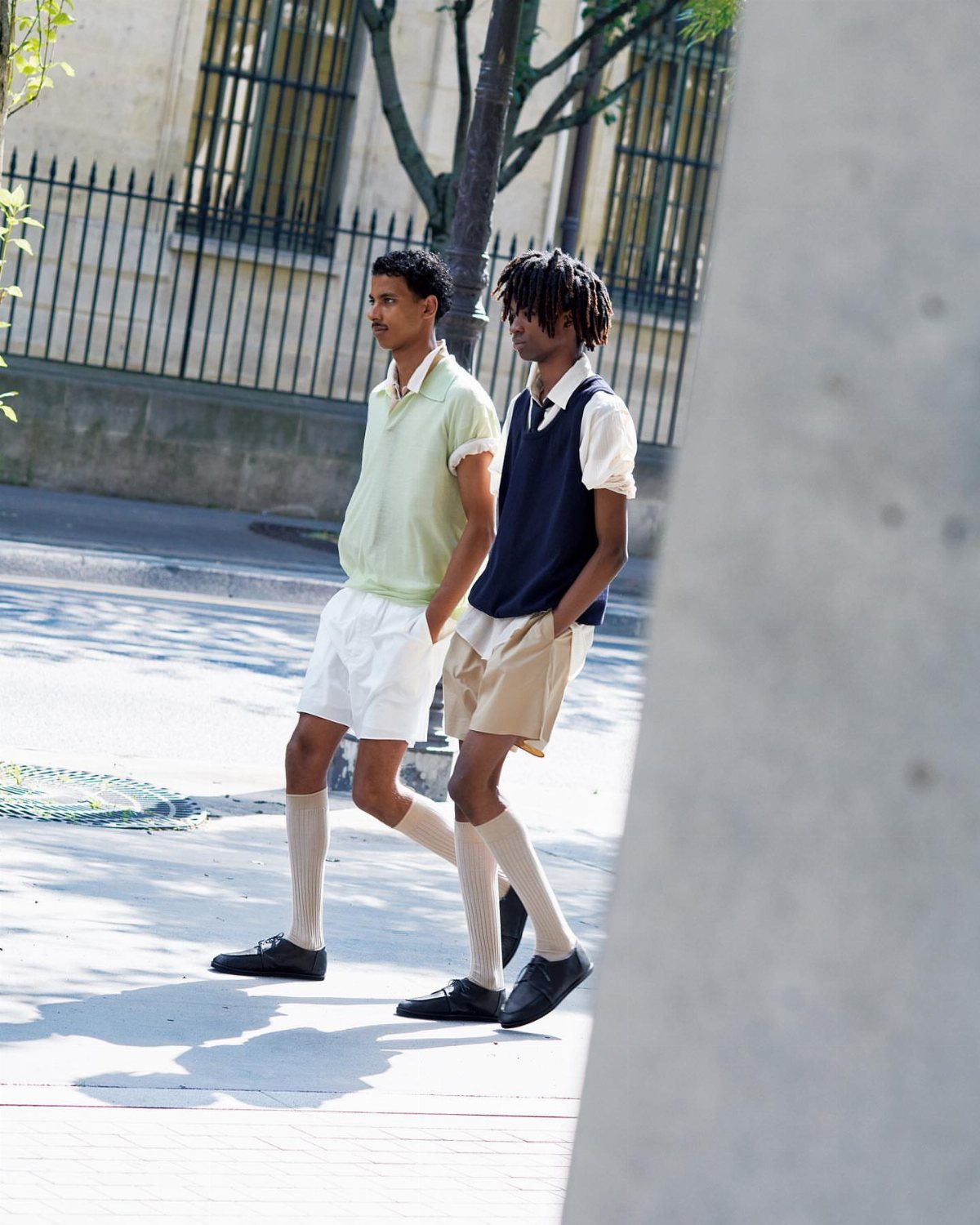
Tailored shorts with high white socks and leather loafers take preppy style and push it all the way through.
The socks are what make the outfit recognizable, and they only work when the shorts are fitted and the shoes are polished.
The knit vest here adds a layer without covering the collar, which keeps the proportions right. This style suits warm weather events where jeans feel too heavy but shorts alone feel too casual.
The look is confident, and it only works if you commit to the whole thing.
11. Denim Workwear Layering
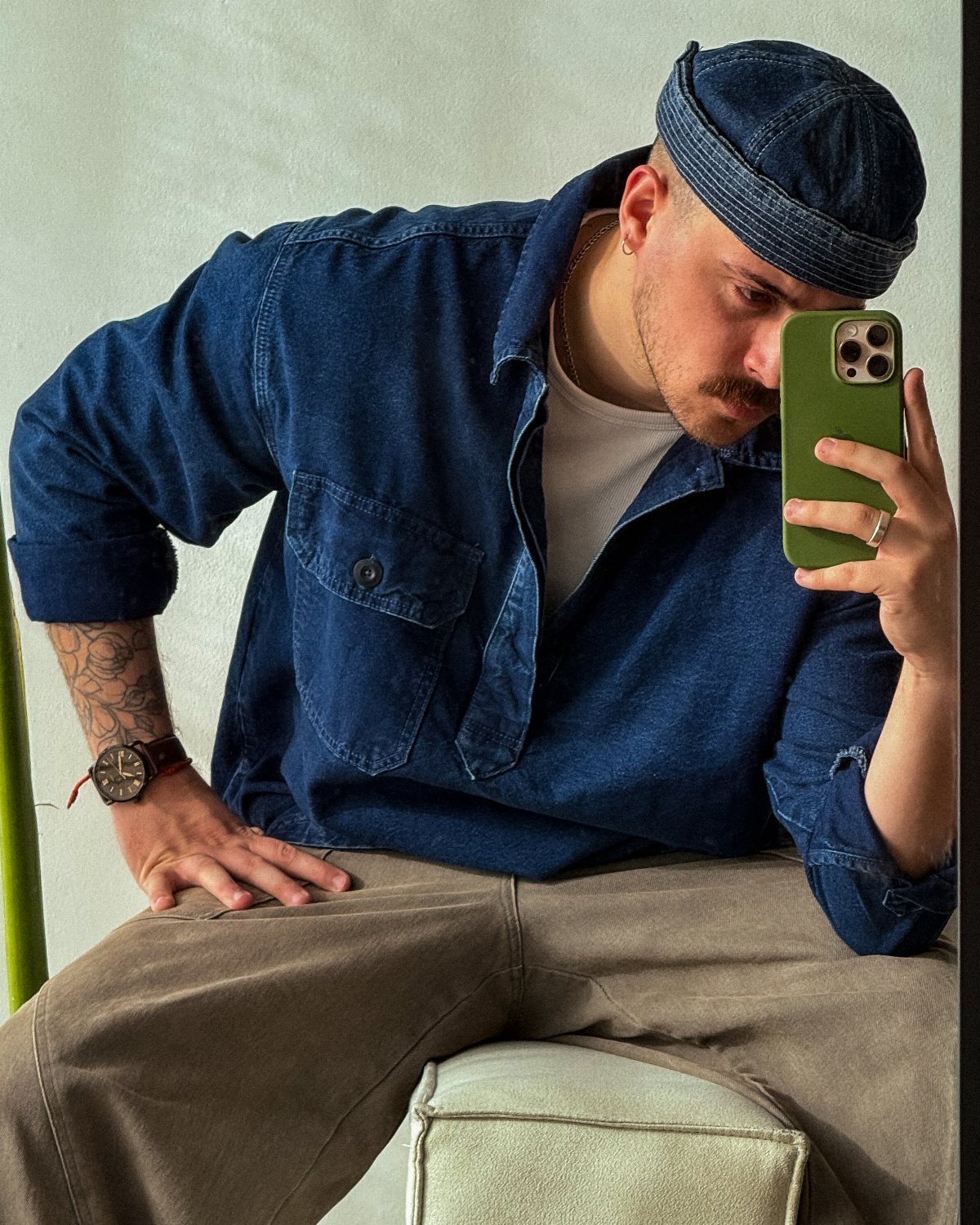
Denim layered over neutral trousers gives you the durability of workwear without the stiffness of raw denim. The denim shirt here works because it’s worn as a layer, not tucked in, so it keeps the relaxed fit.
Brown trousers soften the blue and keep the outfit from reading as all denim. The cap ties the look together and reinforces the casual, hands-on tone.
This works for men who want a rugged look that still fits together. The denim texture does the heavy lifting.
Importance of Fit
Fit decides whether an outfit works before fabric or brand enters the conversation. A shirt that pulls at the chest or trousers that bunch at the ankle pulls attention to the wrong places, no matter what the piece cost.
Tailoring changes this. A suit jacket altered to sit cleanly at the shoulder or pants hemmed to the right length makes the outfit read as intentional.
The work doesn’t have to be complicated: small adjustments to sleeves, waist, or hem do most of the job.
Pressed fabric and maintained shoes amplify the effect. Wrinkles and scuffed leather undo what good fit builds, so those details matter as much as the tailoring itself.
Customization like patches or embroidery adds distinction once fit is handled, but fit comes first. An off-the-rack piece that’s been tailored will outperform an expensive one that isn’t.
Color Coordination
Color coordination simplifies when you treat neutrals as the foundation and add one accent at most. Navy, grey, black, white, and beige mix freely without clashing, so an outfit built from them stays cohesive even when you’re choosing quickly.
Adding color requires restraint. Pick one accent and keep everything else neutral.
Pattern follows the same logic.
One patterned piece per outfit, paired with solids, stops you crossing into visual clutter. A patterned jacket over a plain shirt and trousers holds attention where you want it.
Frequently Asked Questions
What is smart-casual style?
Smart-casual means structured pieces worn casually: an oxford or knit polo rather than a T-shirt, chinos rather than denim, leather shoes rather than trainers.
It works for relaxed offices and social events where a suit feels like too much but shorts feel like too little.
How do I build a versatile wardrobe?
Start with a foundation in navy, grey, charcoal and white, then fill in footwear and layers. Each piece should work with at least 5 others in your wardrobe, which keeps you from buying single-use items and opens up more outfit options.
What should I wear to work?
Dress slightly more formally than the average employee at your workplace. Spend a week noting the sharpest dressers in your office, then aim for that standard so you look polished without overdoing it.