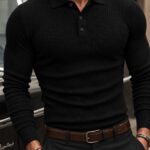
These aesthetics cover old money tailoring, athletic fits, streetwear volume, skater edge, monochrome simplicity, and the shirt-and-trouser combinations that work across formality levels.
A business core aesthetic works in the office but feels overdone on weekends, while skater style and monochrome fits keep you sharp without trying too hard. Fit outweighs the aesthetic you choose.
1. Old Money Style
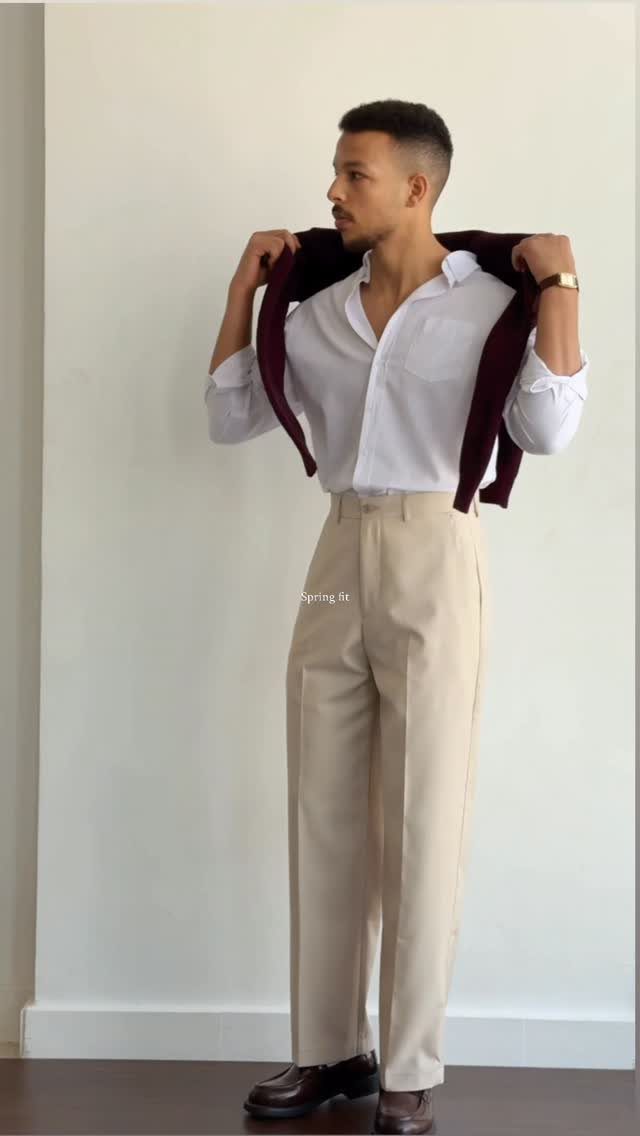
Old money style layers classic preppy pieces without trying to look expensive. The sweater over the shoulders is the signature move here, a technique borrowed from New England prep schools where it kept a cardigan close without adding bulk.
Pair a white oxford or button-down with chinos or dress trousers in beige, stone, or khaki.
Brown leather loafers or derbies ground the outfit. The draped sweater can be cotton, merino, or cashmere depending on season and budget.
I like this approach because it balances formality with ease. The collar stays crisp, the trousers hold their line, but nothing feels stiff.
2. Athletic Aesthetic
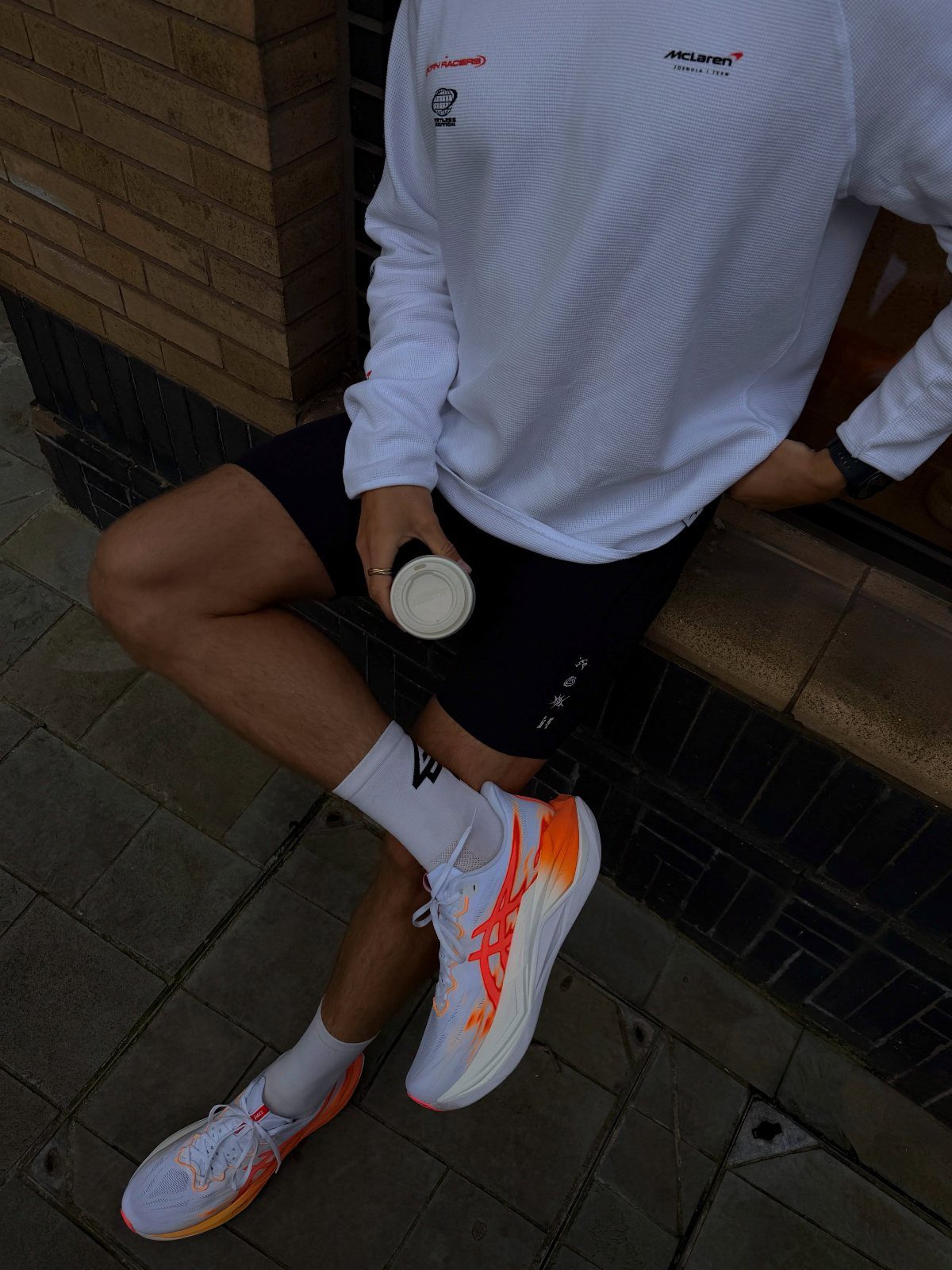
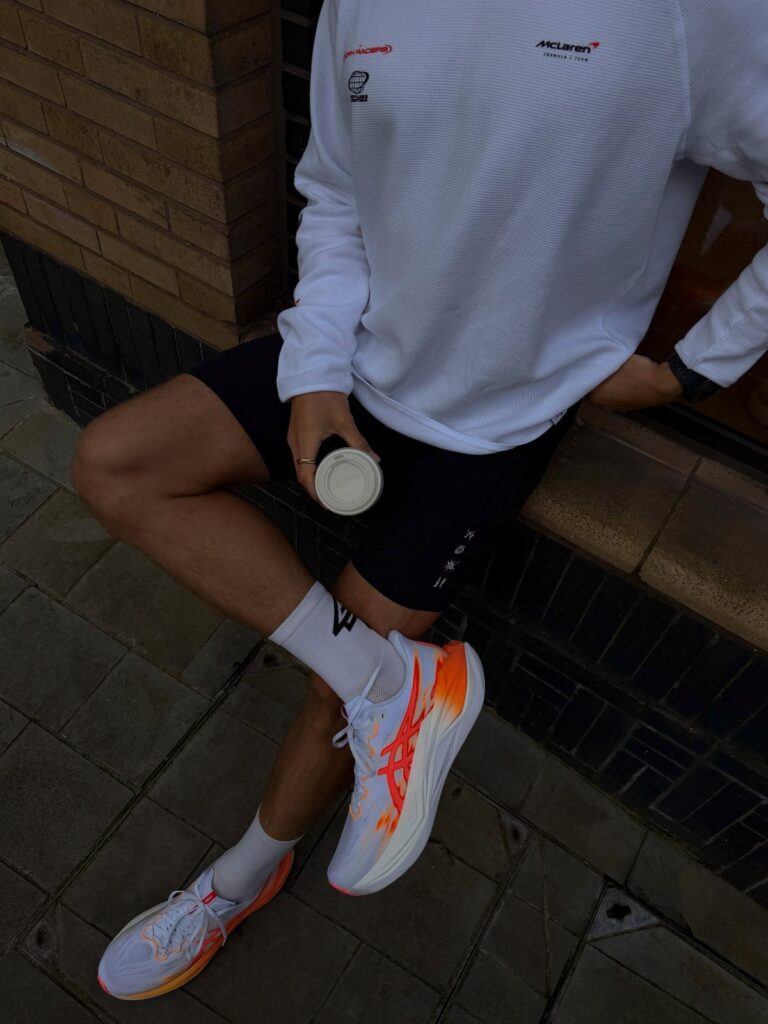
Athletic aesthetic pulls performance fabrics and sports silhouettes into daily wear. Long-sleeve tech shirts, track shorts, and training sneakers make up the uniform.
The fit should stay close enough to show you exercise but loose enough to move in.
White, black, and grey form the base, with one bright accent in the shoes or shirt. Crew socks pulled up add a retro touch that offsets the technical materials.
This works best if you actually lift or run, since the silhouette flatters a built frame. For anyone else, swap the shorts for joggers or tapered sweatpants to soften the proportions.
3. Business Core Aesthetic
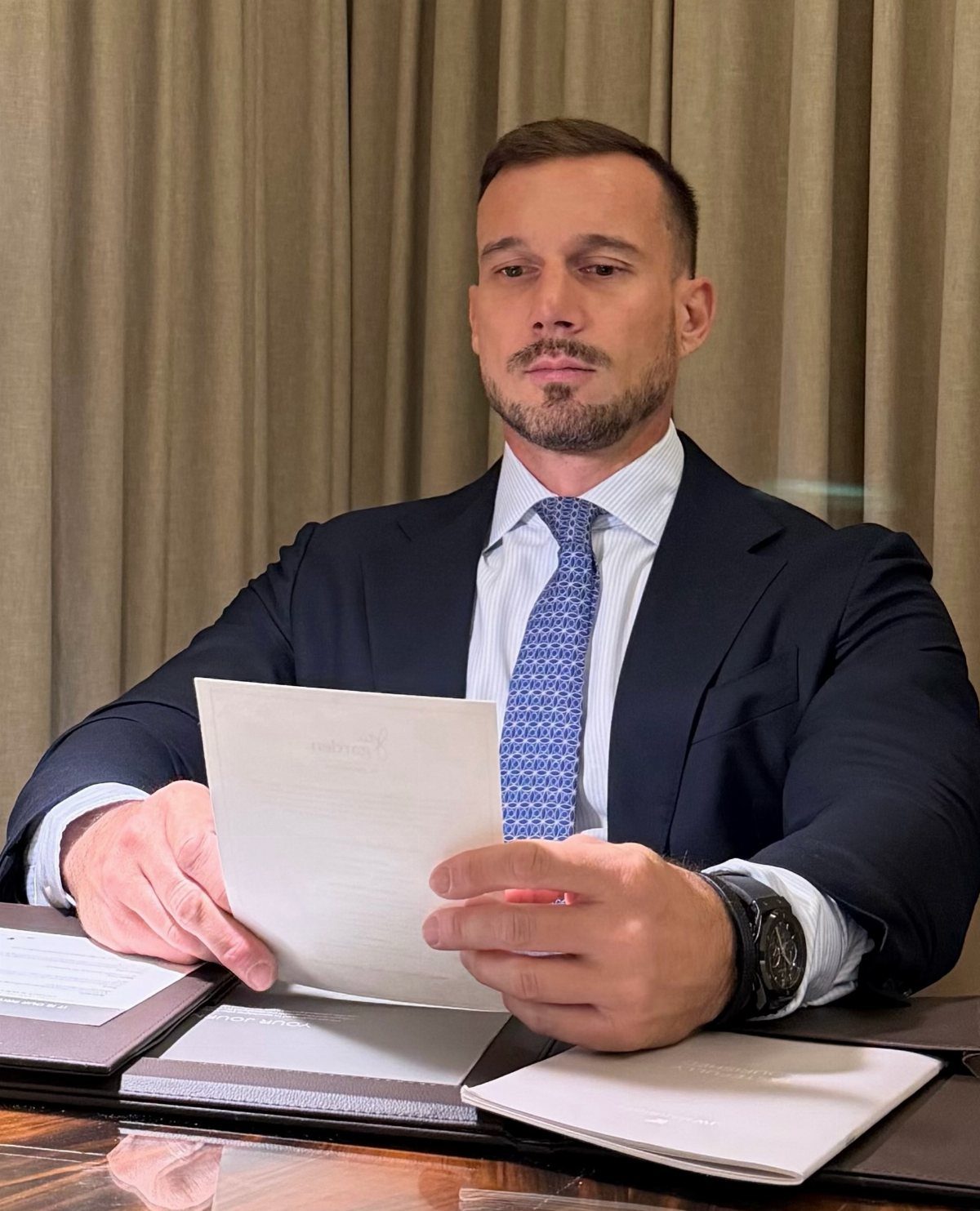
Business core is the tailored suit aesthetic, typically a navy or charcoal two-piece with a dress shirt and leather shoes. A tie is optional now, though the striped shirt and patterned silk tie here give the outfit more structure.
The single-breasted jacket should fit close at the shoulders and taper at the waist.
Trousers break once at the shoe or sit higher with no break at all. Derby shoes or oxfords in black or brown finish it.
This is the sharpest look on the list, but also the least flexible. You need tailoring that fits well, and the pieces rarely work alone.
4. Streetwear Style
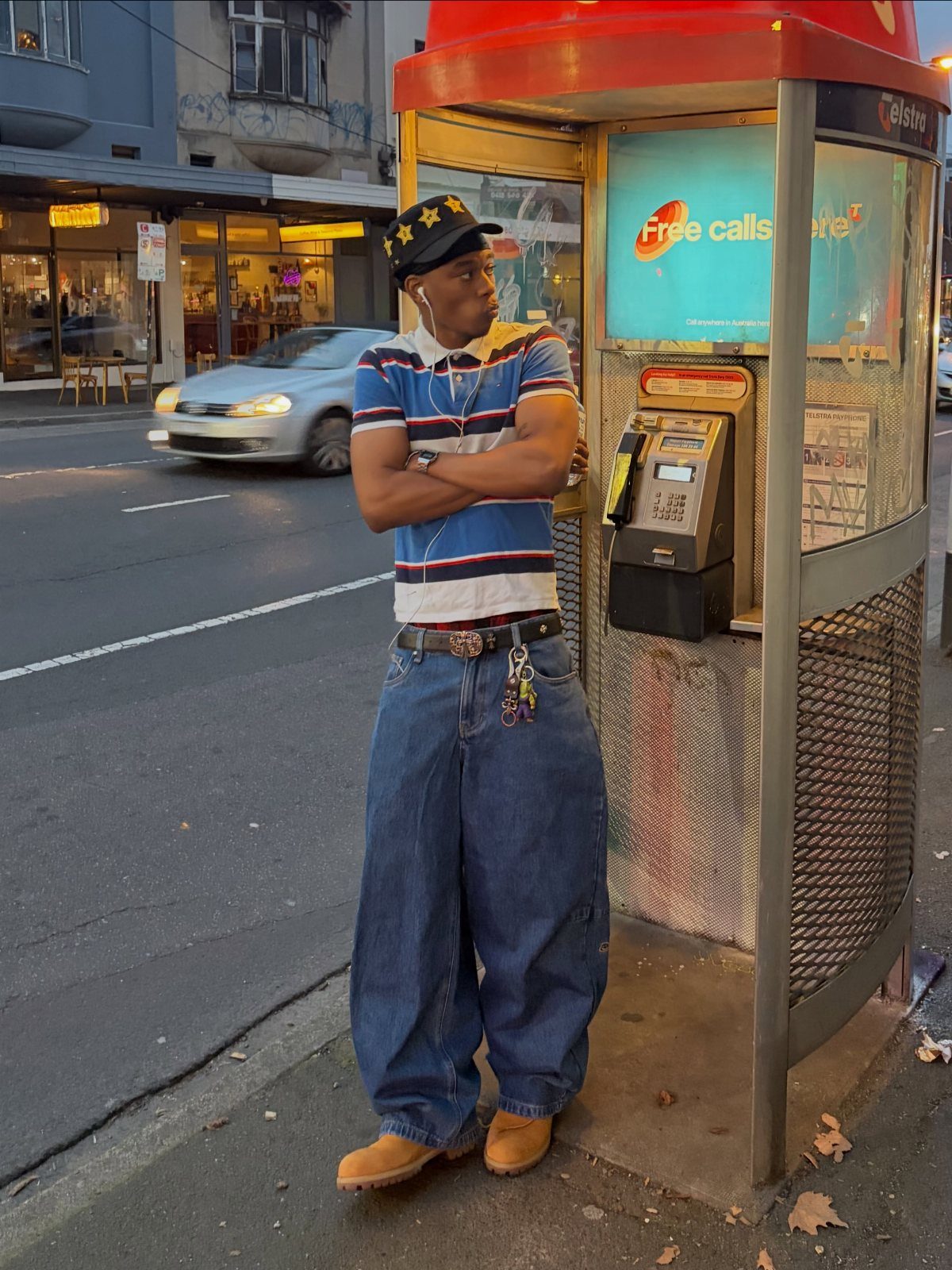
Streetwear combines oversized proportions, graphic prints, and sneaker culture into one aesthetic. Baggy jeans, wide-leg cuts, and loose tops dominate the silhouette.
Boots or chunky sneakers add weight at the bottom. A bucket hat or beanie carries the same visual weight.
Streetwear works across budgets, from thrift finds to designer collaborations.
5. Skater Style
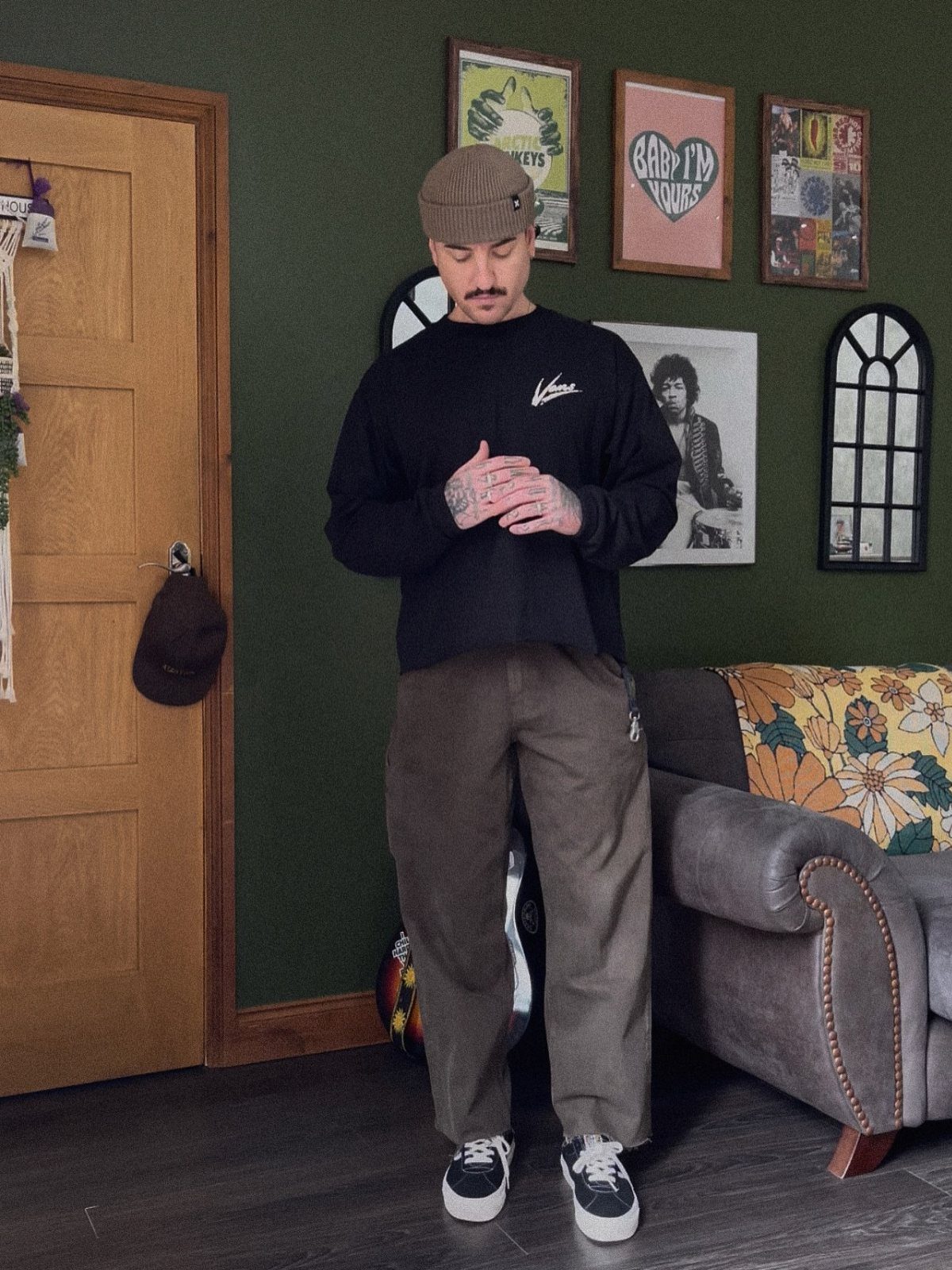
Skater style trades structure for comfort: loose trousers, graphic tees or sweatshirts, and sneakers designed to grip a board. The beanie is a constant, worn year-round in warmer climates.
Baggy pants in brown, khaki, or denim sit low on the hips and break heavily at the shoe.
The top layer is usually a hoodie, crewneck, or long-sleeve tee in black, grey, or earth tones. Skate shoes like Vans or Nike SBs complete the outfit.
The aesthetic works because it prioritizes movement and durability over polish. Pieces are affordable and last through heavy wear.
6. Monochrome Aesthetic
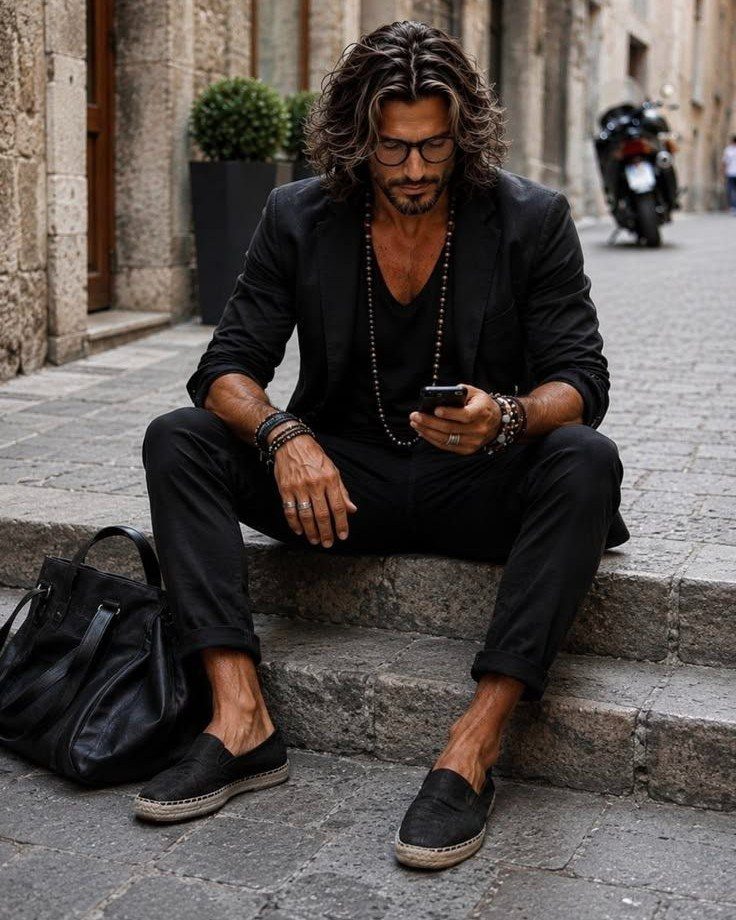
Monochrome dressing commits to one color across every piece, most often black, grey, or navy. The blazer, tee, and trousers here are all black, creating a continuous line from shoulder to ankle.
Layer different textures so the outfit reads as intentional rather than flat.
A structured blazer over a soft tee and woven trousers adds depth. Espadrilles or canvas sneakers lighten the silhouette at the foot.
Black on black slims the frame and simplifies getting dressed. I find it more forgiving than patterns or contrasting colors, since fit and proportion carry the entire outfit.
7. Chill Guy Aesthetic
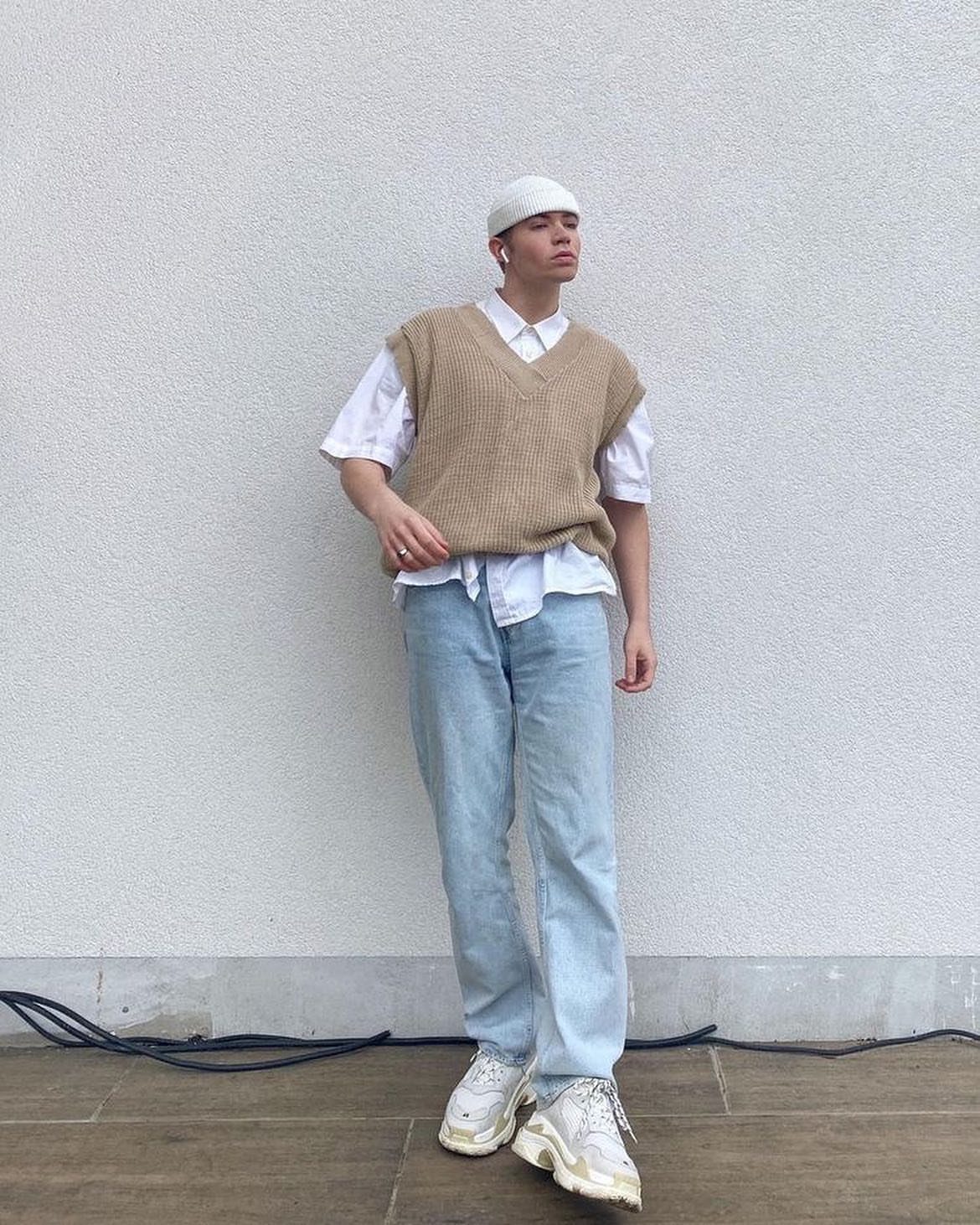
The chill guy aesthetic layers a sweater vest over a button-down, leaving the collar and cuffs visible. Light-wash jeans and white sneakers hold it together without trying too hard.
The vest adds structure without feeling formal. A beanie softens the look at the top and balances the clean sneakers at the bottom.
This works best in neutral tones: tan, beige, cream, white. The pieces are simple enough to wear alone, but together they read as intentional rather than thrown on.
8. Pastel Palette
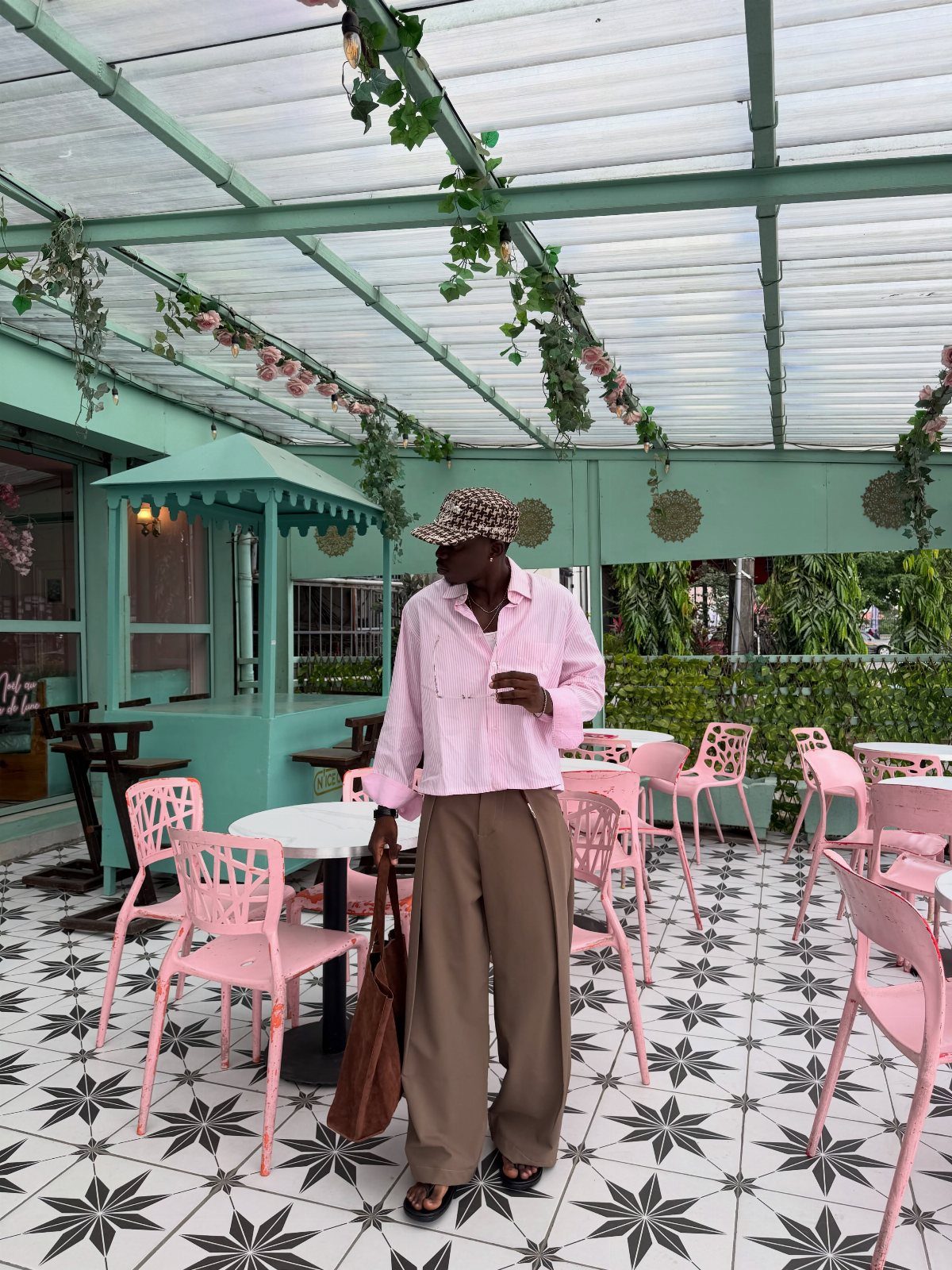
Pastel colors, pink and lavender especially, have moved from women’s fashion into men’s casual wear. A striped shirt in soft pink paired with tan trousers creates contrast without going loud.
The bucket hat adds pattern and pulls attention up. White or tan shoes keep the palette light.
Pastels flatten a silhouette less than darker colors, so fit matters more. Keep shirts and trousers fitted but not tight.
9. Loose-fitting Jeans and Soccer Jerseys
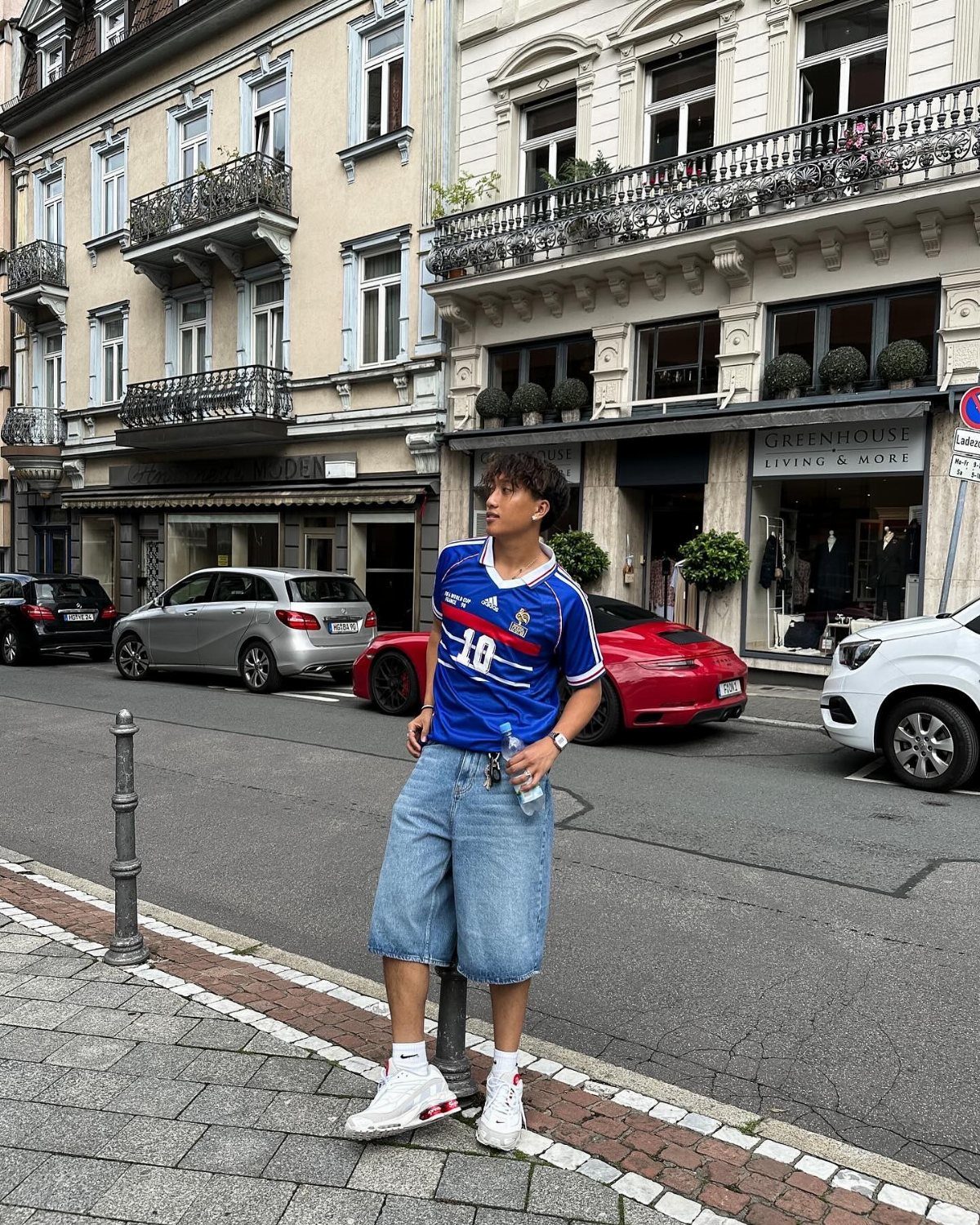
Soccer jerseys paired with loose denim shorts pull from 90s sportswear. The jersey should fit a size up, and the shorts should sit below the knee.
White sneakers hold the whole thing together. The jersey can be a national team or club design, vintage or current.
This works if the jersey has a strong graphic or color block. A plain jersey in one color loses the retro football reference.
10. Tailored Denim with Crisp Shirts
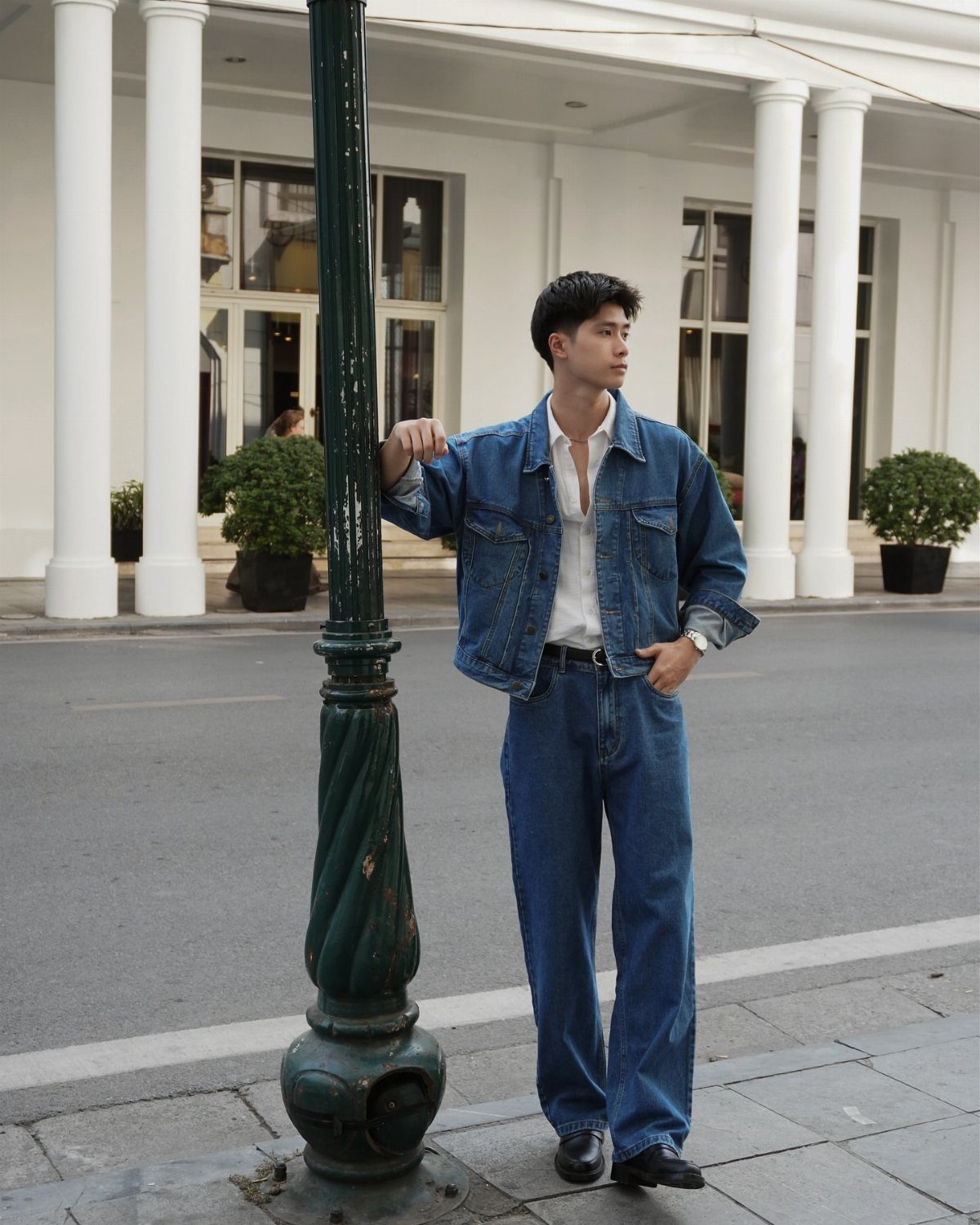
A denim jacket over a white button-down and matching denim jeans creates a tonal outfit with texture.
The white shirt adds contrast at the chest and stops the whole thing reading as a Canadian tuxedo.
This outfit depends on the denim quality.
Thin, faded fabric looks sloppy. Heavier selvage denim holds its shape and improves the proportions.
11. White Button-down with Wide Trousers
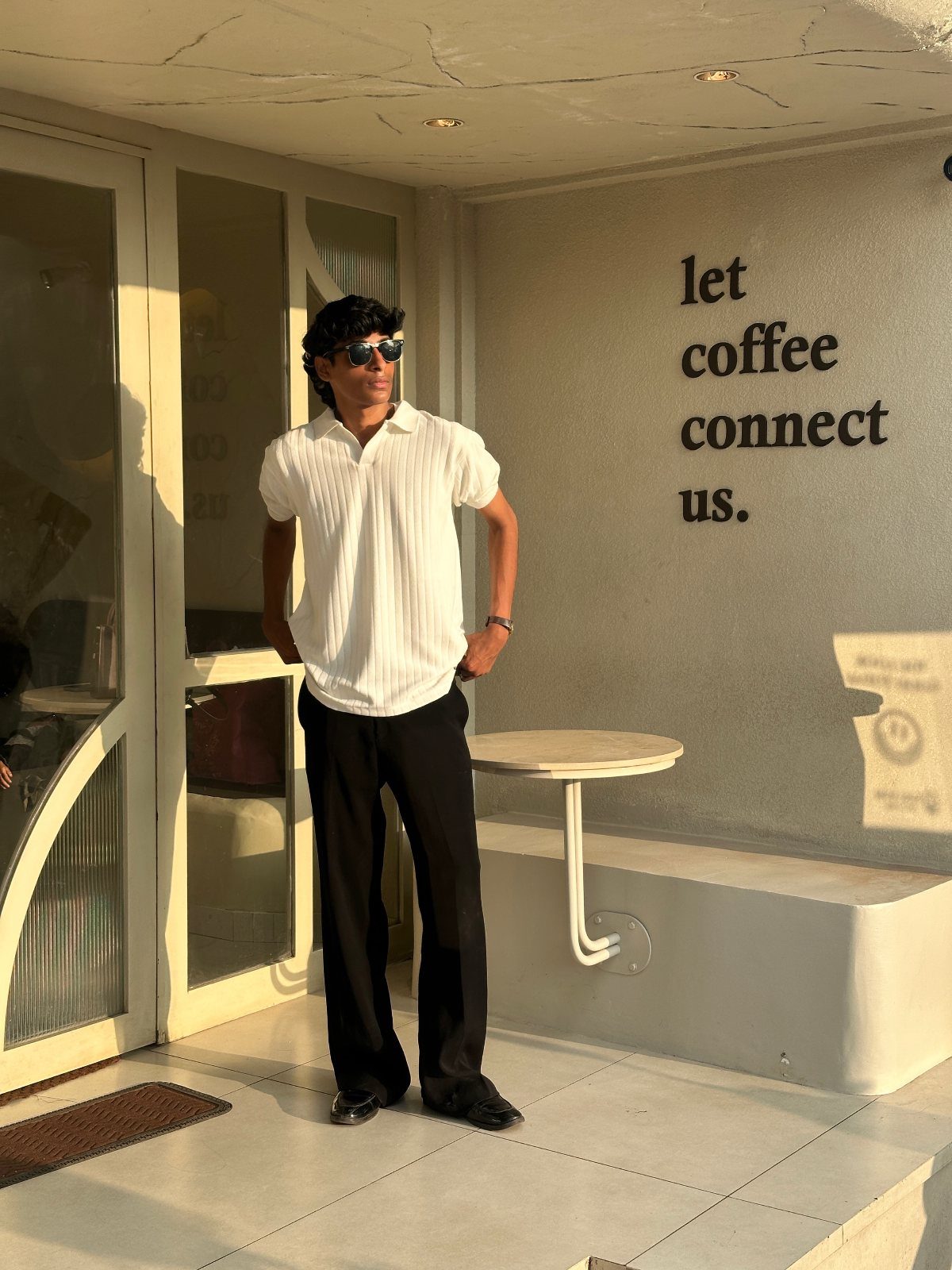
A short-sleeved white button-down with wide-leg black trousers is a minimal outfit that works in warm weather. The trousers should sit high at the waist and break once at the shoe.
Black leather shoes or loafers anchor the silhouette. The shirt can be tucked or left out, depending on your height.
Wide trousers add volume at the legs, so the shirt needs to stay fitted through the chest and shoulders. A loose shirt on top makes the outfit look baggy rather than tailored.
12. Brown Button-down with Black Trousers

Brown and black is a color pairing that used to be avoided but now reads as grounded and modern. A brown button-down in a warm tan or chocolate shade contrasts well with black relaxed-fit trousers.
This combination works because the brown softens the severity of black. A crisp white shirt would sharpen the contrast, but brown keeps the mood casual.
13. Maroon Shirt with Linen Trousers
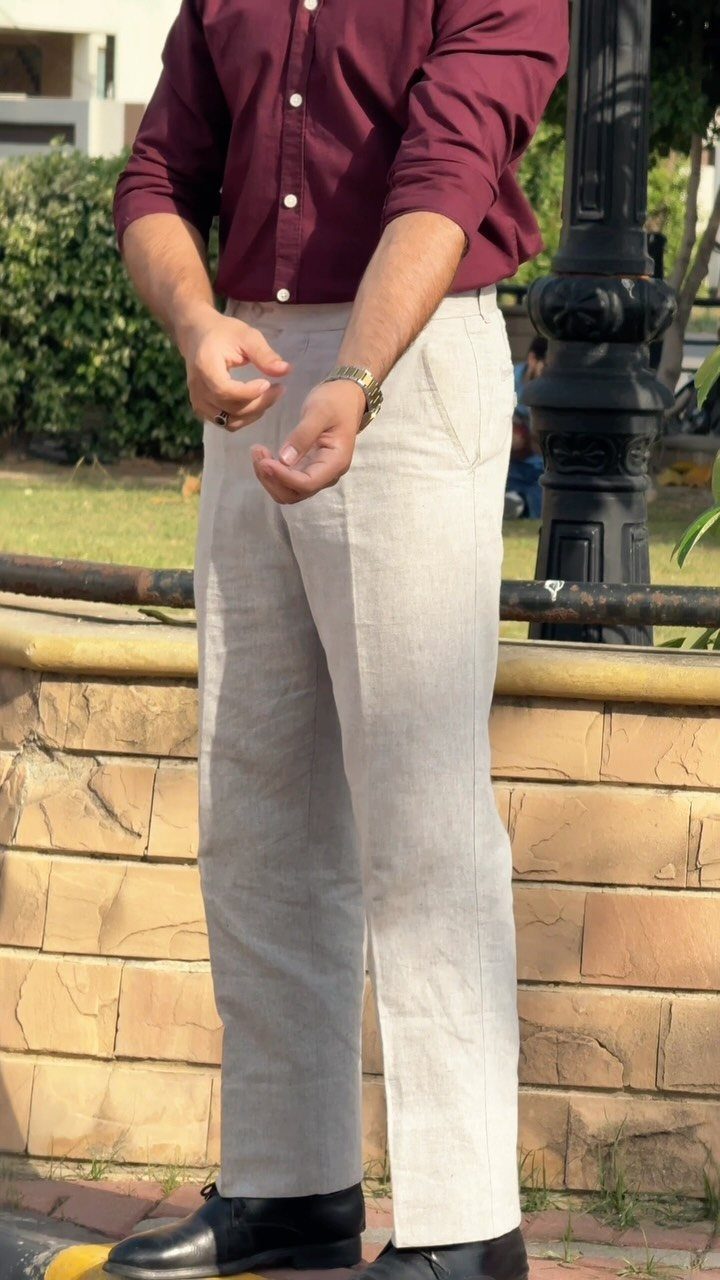
Maroon paired with beige linen softens the contrast between warm and cool tones. The rolled sleeves balance the formality of dress shoes with the relaxed drape of linen trousers.
Linen breathes better than cotton or wool, which matters in warm weather, but it wrinkles immediately. That texture works here because the maroon shirt holds its shape while the trousers move loosely.
Brown would blend too closely with the beige and lose the definition the outfit needs.
14. Layered Crewneck Over Collared Shirt
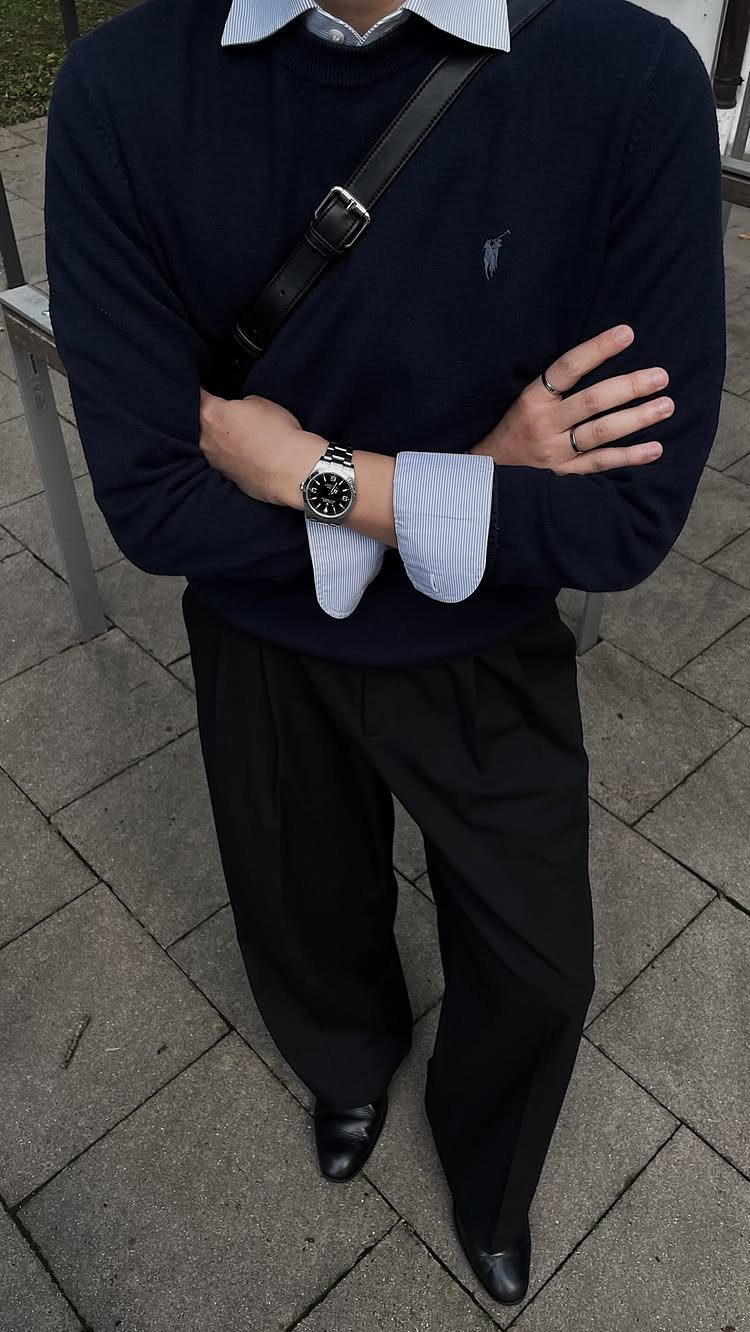
The collar and cuffs stay visible, the sweater adds warmth. Navy over blue stays tonal without reading as one solid block.
Fit the sweater close at the shoulders and chest so the collar lies flat underneath. A loose sweater bunches at the neckline and hides the shirt entirely.
Black trousers and shoes ground the blue tones at the top. This outfit works in fall or spring when a jacket feels too heavy but layering still makes sense.
15. Fleece Jacket with Cargo Pants
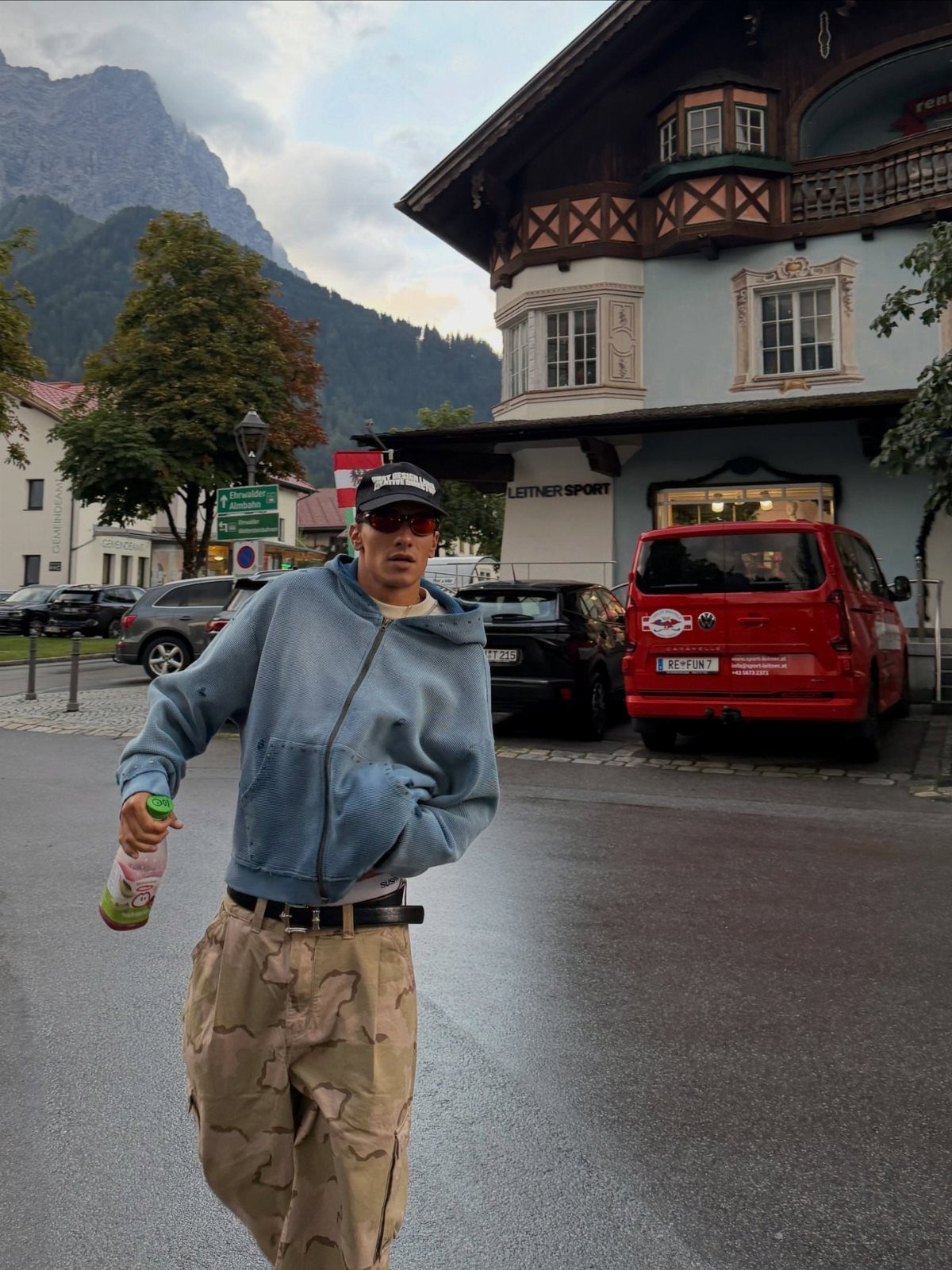
A fleece jacket over cargo pants is functional before it looks good, which is why it works. The fleece keeps wind off without restricting movement, and the cargo pockets hold what you need without a bag.
Tan or khaki cargo pants soften the technical look of fleece better than black or grey. The baseball cap adds a casual touch that matches the proportions of both pieces.
This outfit suits outdoor errands or travel days when comfort outweighs polish.
16. Beige Overshirt with Cargo Pants
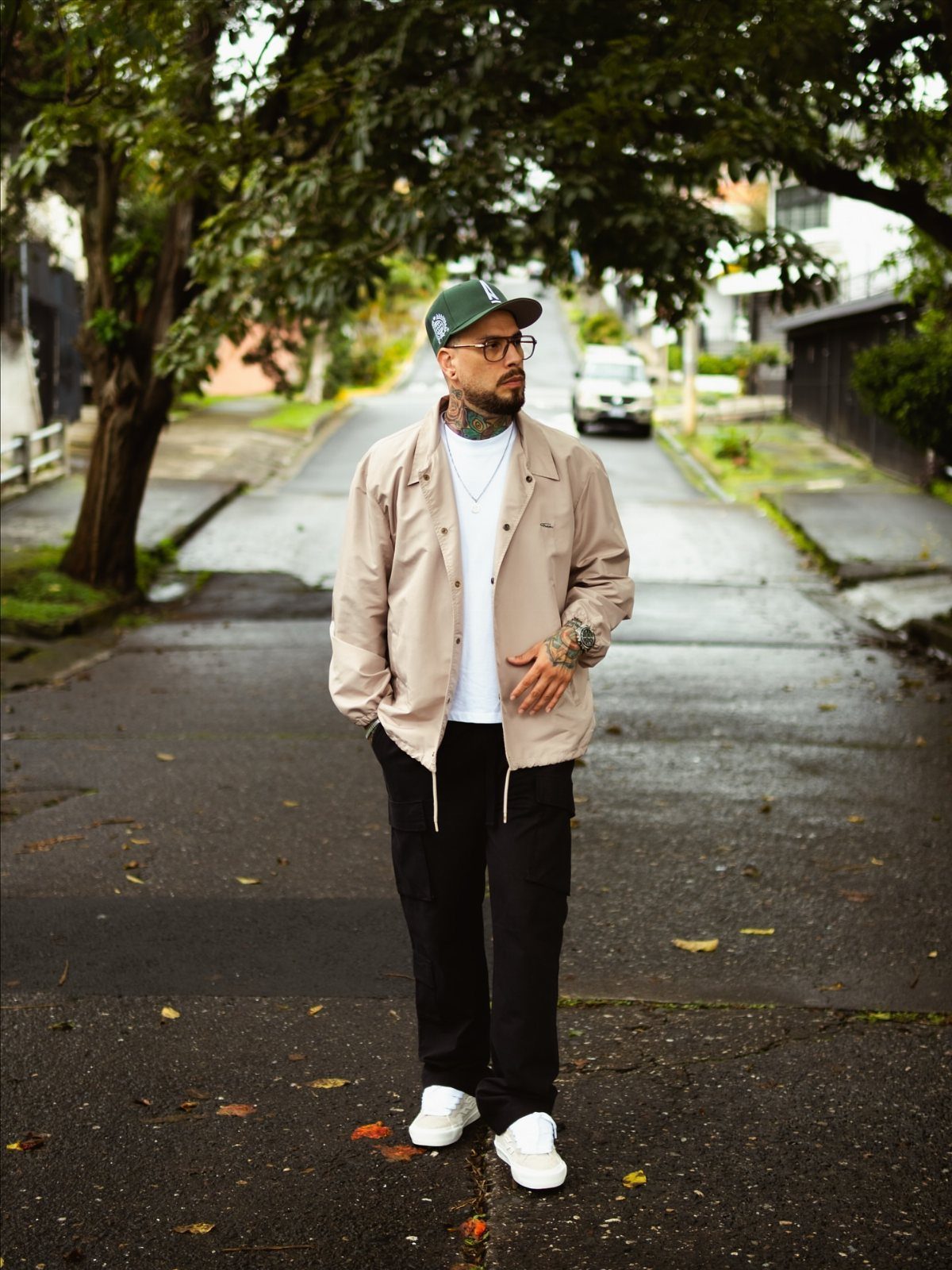
An open overshirt over a white tee creates a layered silhouette without adding bulk. The beige jacket stays lightweight and moves easily, while the white tee provides contrast at the chest.
Dark cargo pants anchor the look. White sneakers lighten the bottom and tie back to the tee.
The overshirt works because it reads as a jacket without the structure of one. I prefer this to a hoodie when the weather is mild but a single layer feels unfinished.
Importance of Fit
Fit decides whether an outfit reads as intentional or accidental. A shirt that pulls at the chest or bunches at the waist flattens your frame, no matter how much you spent on it.
Clothing affects posture and behavior.
A shirt that fits well shifts how you stand and move, which changes how others read you. A clean, fitted outfit reduces decision fatigue and builds self-assurance because the look aligns with how you see yourself.
Fit matters more than the aesthetic you choose. A well-fitted athletic shirt outperforms a baggy tailored jacket every time.
Choosing the Right Aesthetic
Your aesthetic should match where you spend your time.
A tailored suit aesthetic suits office work but falls apart on weekends. Streetwear handles casual days and travel well but reads out of place in formal settings.
Body type guides which silhouettes flatter you.
Athletic builds carry fitted cuts and close-knit fabrics better than loose layers. Broader frames benefit from structured jackets and tapered trousers, while slimmer builds gain proportion from wider-leg pants and layered tops.
Personal preference still matters. If you dislike a style, you will not wear it consistently, and an aesthetic only works when it becomes your default.
Start with one approach that fits your routine, test it for a month, then adjust based on what actually gets worn.
Color Coordination
Skin undertone determines which colors flatter you.
Cool undertones, those with pink or blue beneath the skin, suit navy, charcoal, and cool grey. Warm undertones, gold or olive, pair better with brown, tan, khaki, and earth tones.
Build a palette around 3 or 4 colors that work together.
Avoid mixing too many tones in one outfit.
A cool navy jacket over warm tan trousers creates visual tension that distracts from the silhouette. Stay within one temperature range unless the contrast is the point of the outfit, as with brown and black or maroon and beige.
Frequently Asked Questions
What are the different types of aesthetic outfits?
Old money, athletic, business core, streetwear, skater, monochrome, chill guy, and pastel palettes each follow different principles for silhouette and color.
Old money layers preppy pieces like draped sweaters and chinos, while athletic pulls performance fabrics into daily wear. Business core centers on tailored suits, streetwear on oversized proportions and sneaker culture, and monochrome commits to one color across every piece.
How to dress for your body type as a man?
Muscular or athletic frames suit close fits and tighter knits without adding bulk.
Bigger shoulders and chests call for structure on top and taper below; narrow builds get better balance from wider legs and extra layers. A shirt that fits well beats an oversized blazer, no matter which look you’re going for.
What are some attractive outfits for men?
A dark suit, dress shirt and leather shoes stay the sharpest formal option, but an oxford with chinos and a loose sweater over the top works when you want something less rigid.
All black keeps things slim and cuts down decisions, and a fleece with cargo pants covers errands or flights when you need function over formality.