Relaxed denim and velour tracksuits gave the silhouette more room, while fitted ribbed polos and layered tees kept enough shape through the torso that loose pants didn’t read as completely formless.
Pick based on how much structure you want in the upper body: if you’re layering a short-sleeve over a long-sleeve base or wearing a ribbed polo, the fabric does the shaping work and you can afford to relax the fit below the waist.
1. Western Shirts
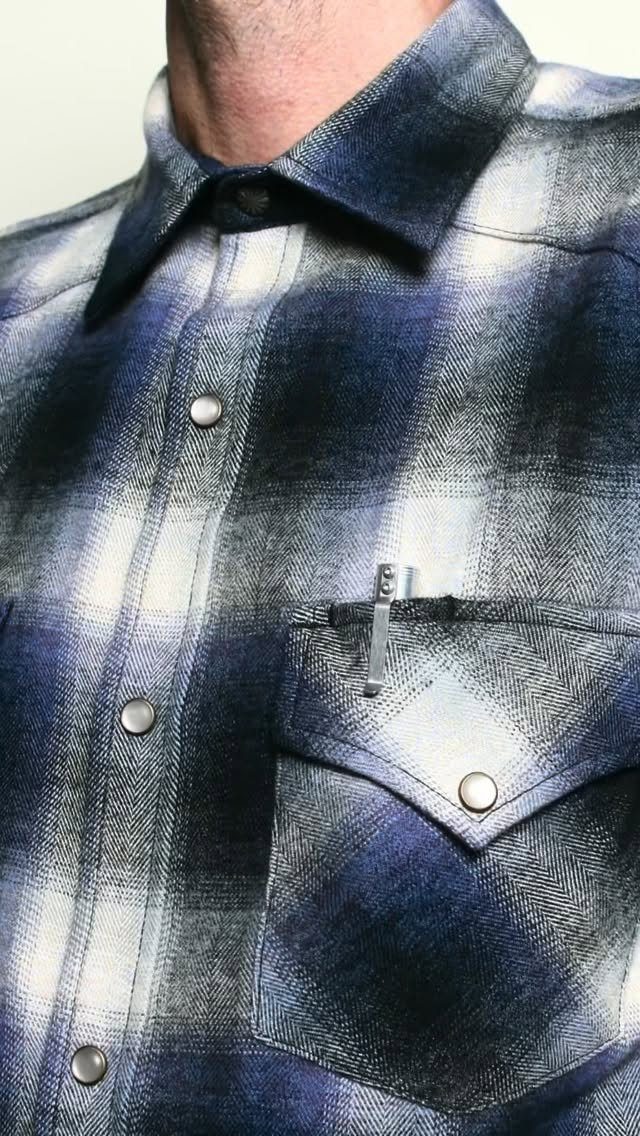
Pearl snap buttons set western shirts apart from anything else hanging in a casual wardrobe. They catch more light than plastic, they close faster, and they sit flatter under a jacket.
The yoke stitching across the shoulders gives structure that a regular shirt can’t match.
Most western shirts cut slim but leave room in the chest and arms, which works if your build runs athletic or if you just prefer a shirt that moves.
Plaid reads more casual than solid chambray.
Dark jeans or chinos keep the focus on the shirt. The snaps let you leave the top two open without the collar flopping around the way a button placket does.
2. Trucker Hats
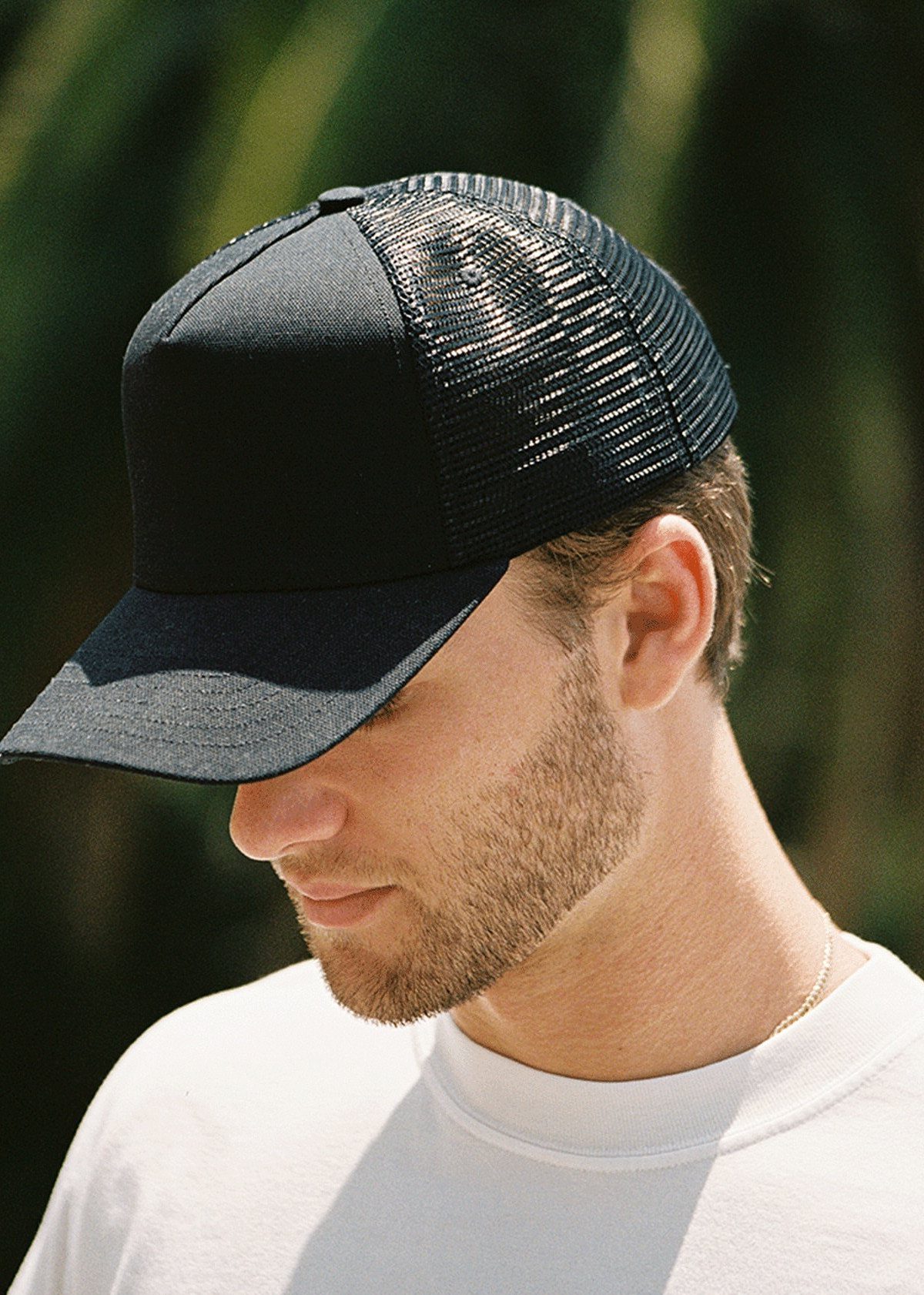
Mesh backs kept truckers cool in the cab, and that ventilation still matters if you wear a hat in warm weather.
The foam front panel holds its shape better than an all-fabric baseball cap, so the brim stays flat and the crown keeps its curve after a season of daily wear.
Fit comes down to the snapback. Most trucker hats adjust to cover most head sizes without the stretched look you get from a one-size ballcap that barely closes.
Black or navy work with more outfits than branded designs.
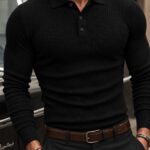
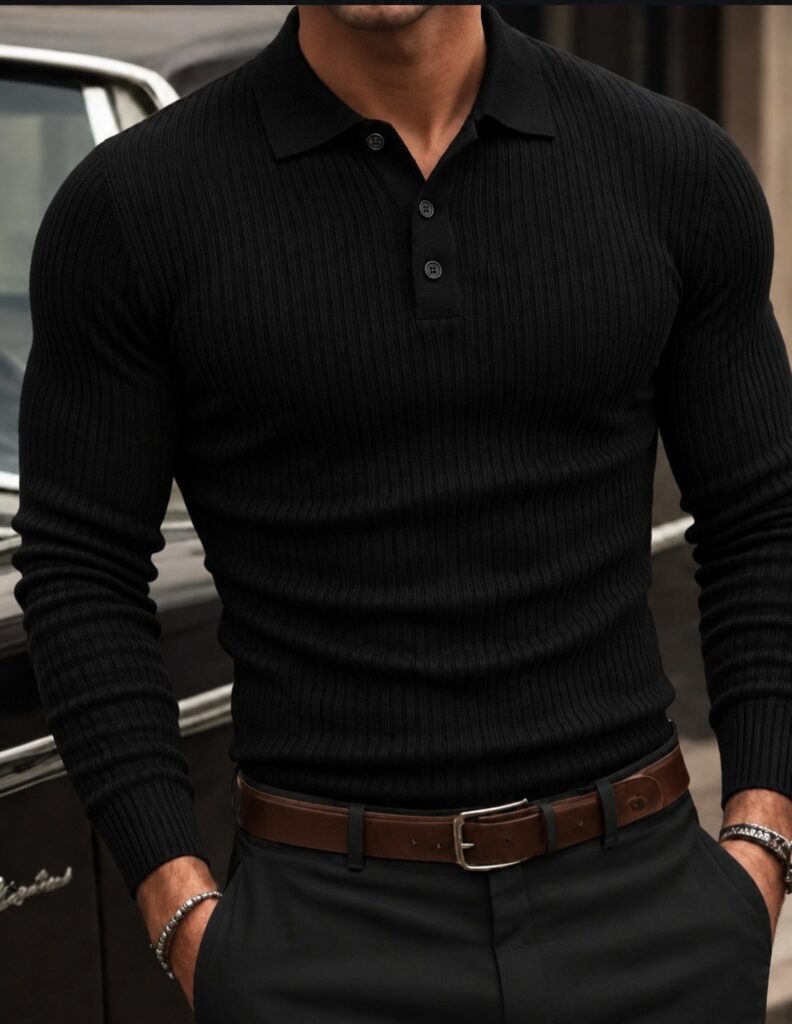
3. Fitted Long-Sleeve Ribbed Polo
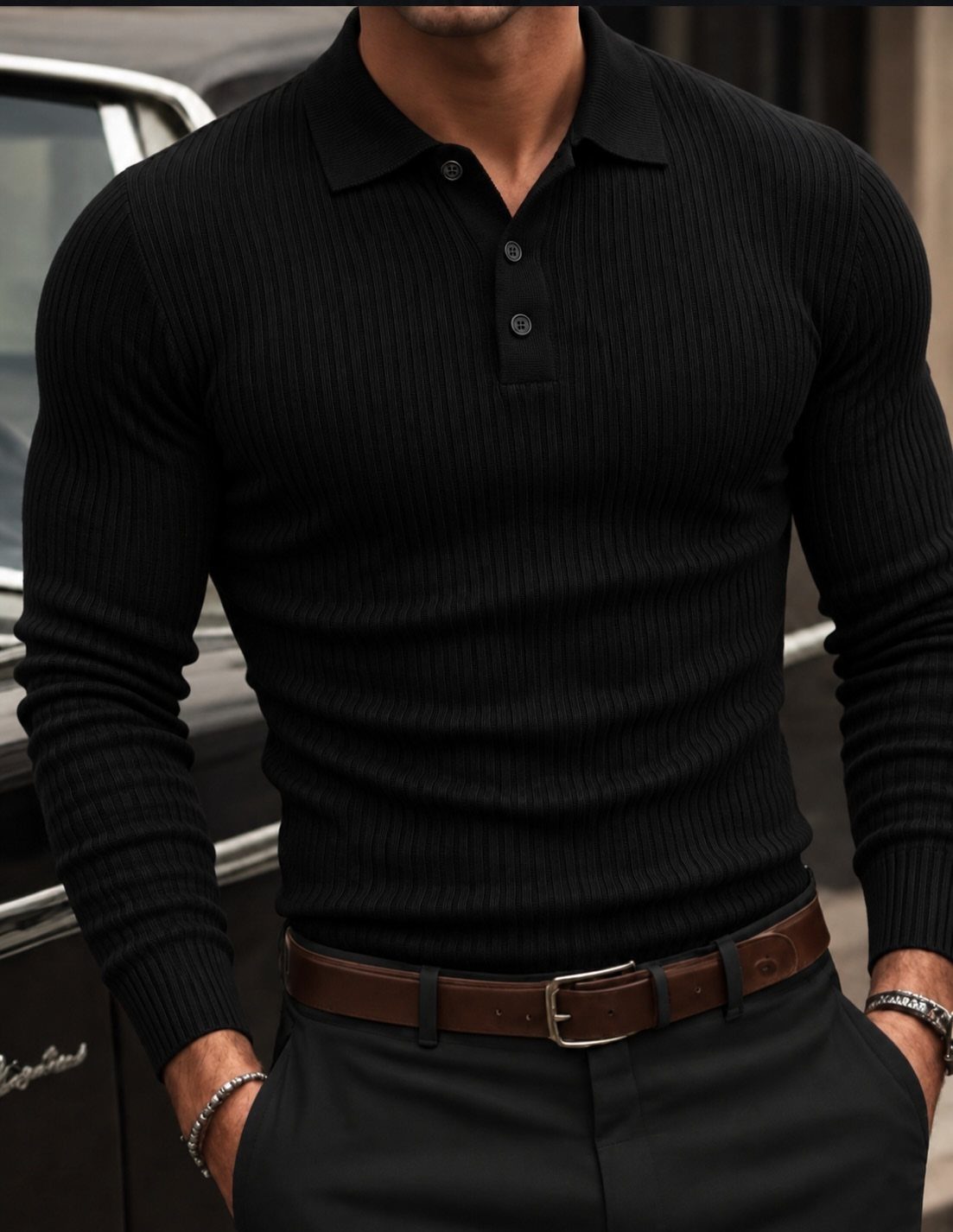
Ribbed knit fabric grips your frame in a way smooth cotton never will. The vertical lines slim the torso, and the stretch lets you tuck the polo into trousers without bunching at the waist.
Long sleeves balance the fitted body.
A short-sleeve version can look too gym-focused if the fabric is tight, but covering the arms shifts the look toward smart casual. Black works best because it hides any lumps the rib pattern might show in lighter colors.
4. Leather Jacket with White Trousers
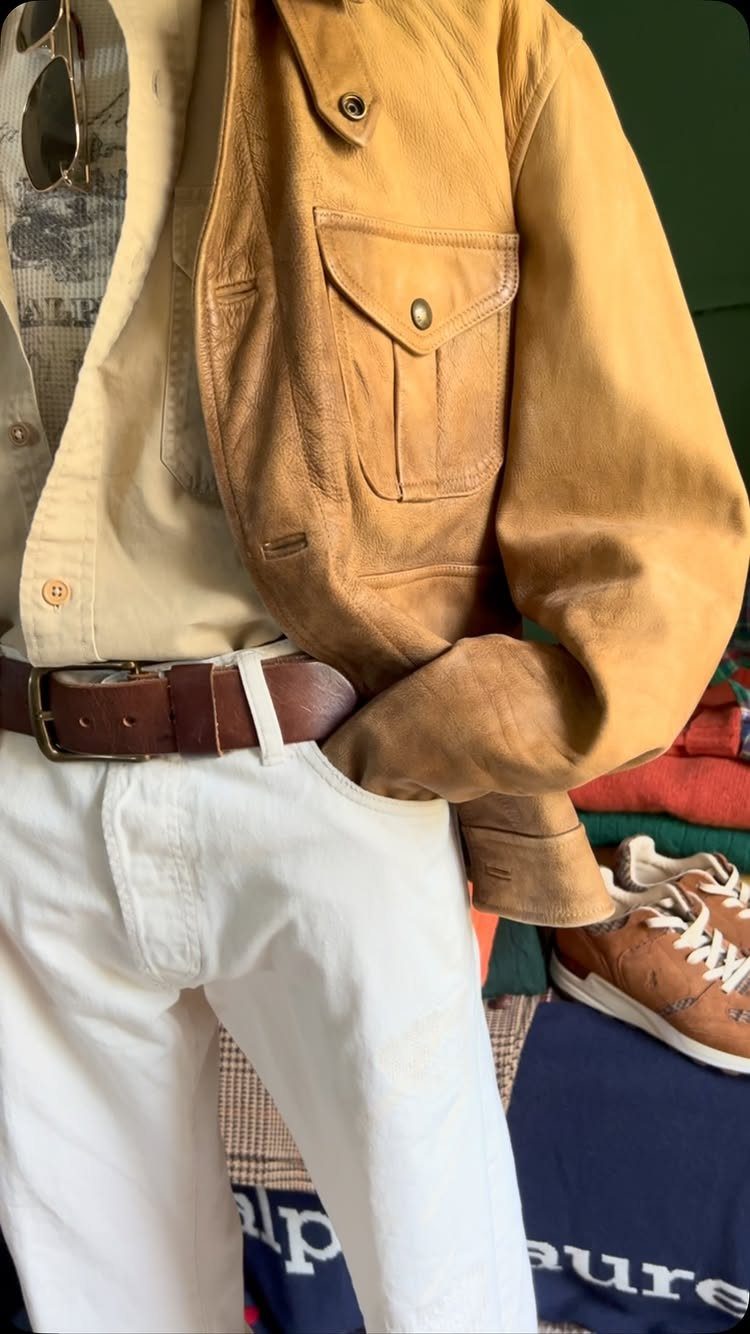
Tan leather softens the contrast between a dark jacket and white trousers. Black leather would cut too hard a line; brown feels warmer but still reads formal enough for a night out or a casual office.
White trousers stay cleaner when you pair them with neutrals.
A beige shirt bridges the jacket and pants, and a brown belt ties back to the leather. That kind of tonal layering keeps white from standing out as the only bright piece.
Leather jackets in lighter shades show wear faster than black, so check the grain and finish before you buy.
5. Relaxed Jeans with Plain Tee
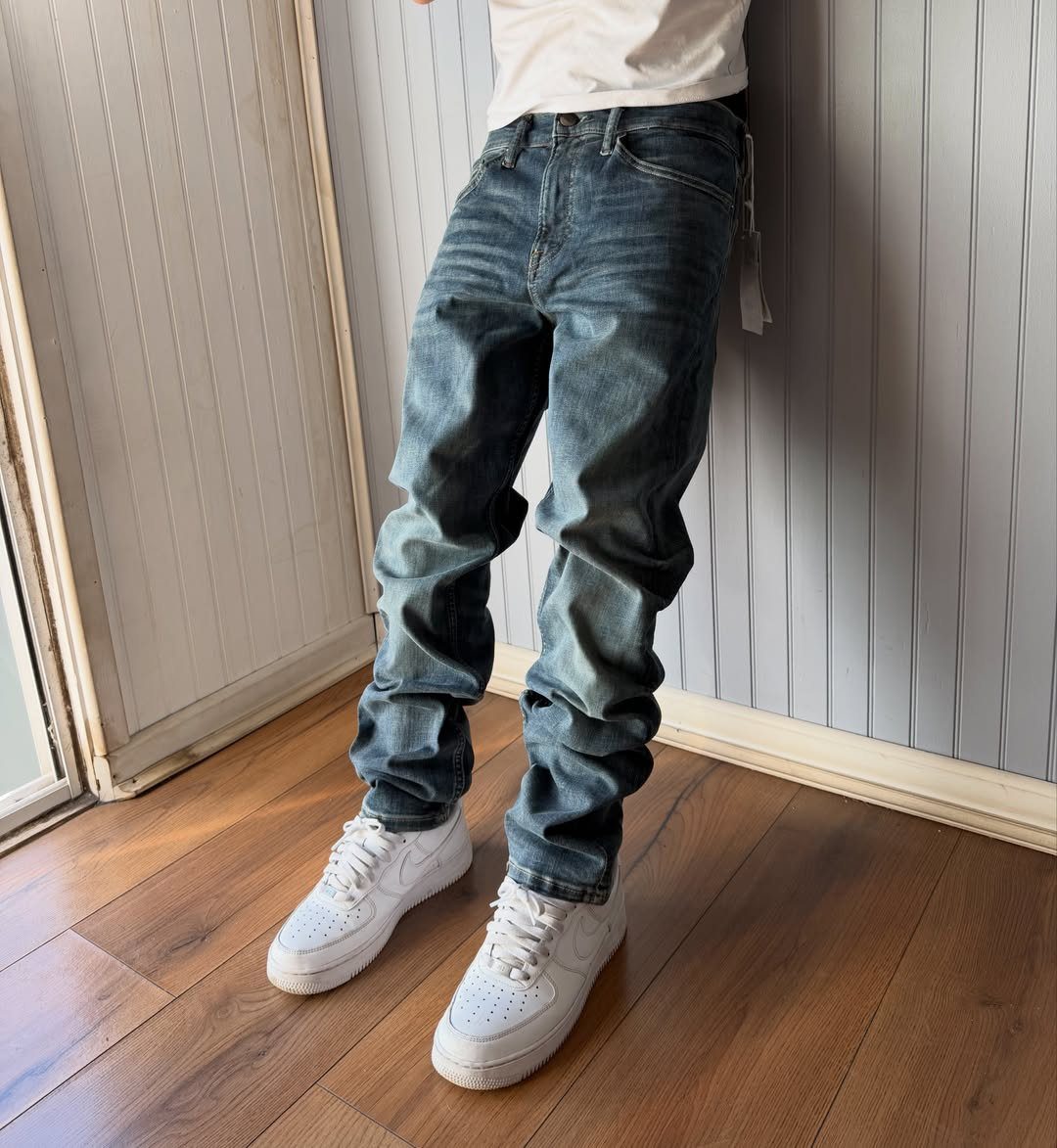
Loose denim reads cleaner than baggy skater cuts from the 90s, without the tight taper that would arrive later in the decade.
The leg relaxes without pooling at the ankle, and the higher rise sits closer to where jeans were cut before low-rise took over.
A plain white tee keeps the focus on the jeans. Relaxed jeans with a plain tee work best if your jeans hit right at the top of your shoes, not stacking or dragging.
Fit the waist snug and let the leg do the work.
6. Velour Tracksuit
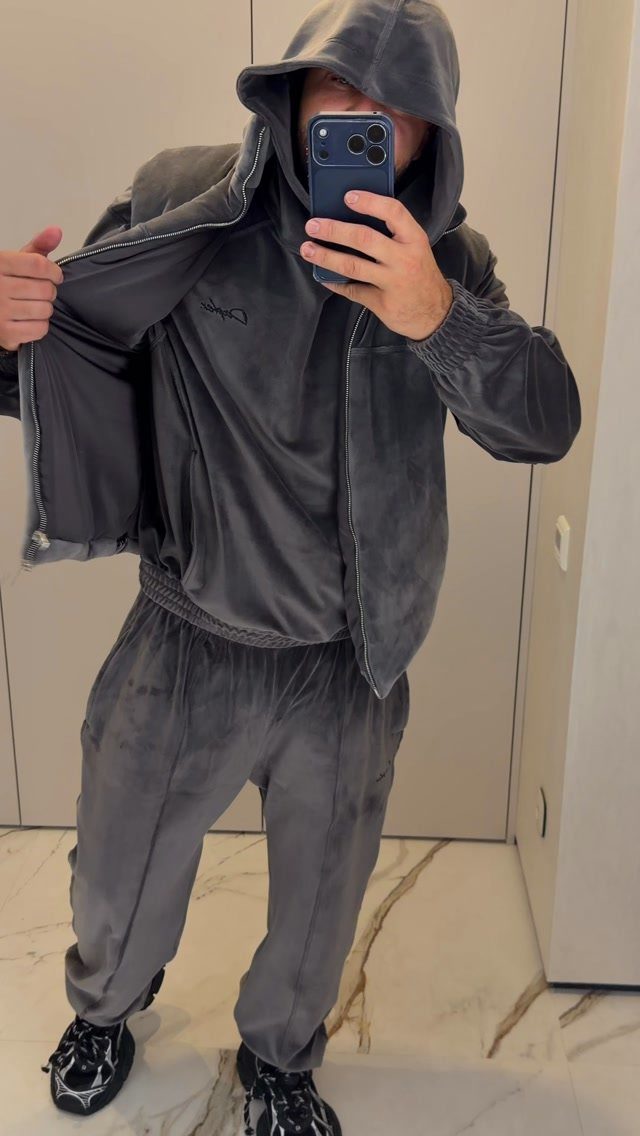
Velour tracksuit fabric has a soft pile that reflects light differently than cotton fleece, which is why it photographs richer and feels dressier than a standard hoodie set.
The zip-up jacket and matching pants read as one outfit, so you skip the decision of pairing separates.
Grey sits between the bold color tracksuits that came before and the neutral athleisure that followed. It works with white or black sneakers, and it doesn’t pull attention the way a bright pink or baby blue set does.
Fit should be relaxed but not oversized. The jacket follows the body without clinging, and the pants taper slightly at the ankle.
7. Short-Sleeve Over Long-Sleeve Layering
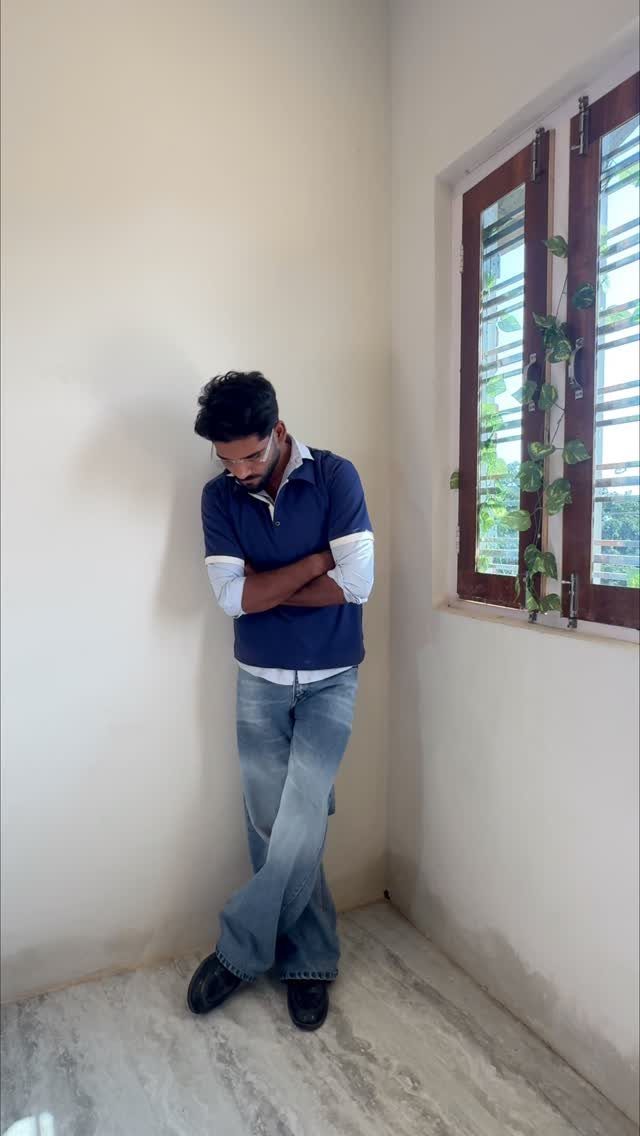
A short-sleeve shirt worn over a long-sleeve base adds shape without adding bulk. The outer layer defines your shoulders and torso, while the underlayer fills the sleeves and holds the proportions in place.
White works best for the base because it contrasts with most outer colors without competing.
The short-sleeve shirt can be any solid that reads casual: blue, tan, olive. Button it all the way or leave the top one open.
The fit of the outer shirt matters more than the underlayer.
If the short-sleeve pulls tight across the chest, the layering looks forced. Relaxed in the chest and waist but not oversized keeps both pieces readable.
Fashion Consumption Changes
H&M expanded into major U.S. cities in the early 2000s and turned over inventory fast enough that a store visit in September looked different from one in October.
Runway shapes appeared on racks within weeks, priced low enough that most shoppers could buy 3 pieces for what a department store charged for 1.
The brand partnered with Comme des Garçons and other designers to release capsule collections that sold out the morning they dropped.
That model made high-end cuts available without the high-end wait or price, and it trained a generation to expect constant newness.
H&M also introduced conscious collections built around recycled polyester and organic cotton, even as the broader fast fashion cycle raised questions about waste.
The speed of the model reshaped how men shopped: more trips, smaller purchases, less attachment to any single piece.
Cultural Influences
High-speed internet replaced dial-up by the mid-2000s, and shopping moved online fast enough that a teenager could order sneakers between homework and dinner.
Music videos cycled on repeat through YouTube, and the outfits in them became templates that fans copied within days.
Music moved from CD players to iPods, and suddenly the artists in your earbuds shaped what you wore as much as any magazine did.
The Sartorialist and Hypebeast posted new shots every day, and your inbox filled with brand emails on a schedule you could set your watch to.
Celebrity red carpet photos spread across gossip sites before the event ended. All of it fed the same loop: see it, want it, buy it, wear it before anyone else does.
Layering Techniques
Layering in 2005 worked because the pieces stayed thin enough to stack without adding bulk.
A fitted tee under a western shirt or a ribbed polo under a leather jacket let you build an outfit that read as one shape instead of two separate layers fighting for space.
Start with a neutral base layer. White or grey sits under most outer colors without competing, and it fills the sleeves when the outer piece is short or rolled.
Avoid layering 2 loose cuts.
If both pieces relax at the waist, the silhouette disappears. One fitted, one relaxed keeps the proportions readable and the outfit from looking like you grabbed whatever was clean.
Frequently Asked Questions
What was the popular clothing style in 2005?
Pearl snap western shirts, trucker hats with mesh backs, velour tracksuits in grey or neutral tones, and relaxed jeans with plain tees dominated casual wardrobes.
Layering short-sleeve shirts over long-sleeve bases and fitted ribbed polos added structure without bulk. Leather jackets in tan paired with white trousers or darker denim ran through both casual and dressed-up outfits.
What to wear for 2000s theme men?
A velour tracksuit in grey, a trucker hat with a flat brim, or relaxed jeans with a plain white tee all read as mid-2000s without costume pieces.
Western shirts with pearl snaps or a short-sleeve shirt layered over a long-sleeve white base hit the same era.
What did guys wear in 2006?
The silhouette had started to tighten from the wider cuts that defined the first half of the decade.
Relaxed jeans still held ground, but the leg stopped short of baggy and the rise climbed back up from the low-slung fit of earlier years.
Fitted ribbed polos, western shirts, and layered short-sleeve over long-sleeve looks carried over, and velour tracksuits in neutral colors still appeared in casual rotation.