
A capsule wardrobe built from 12 to 15 pieces covers work, weekends and formal events if every item pairs with at least three others you own.
The constraint that holds the outfit together is settling on 3 or 4 colors at the start and refusing anything that sits outside them.
When a brand covers return shipping both ways, you can bring home the medium and the large at once, try both against your best-fitting piece, and send one back without paying twice for the privilege of getting the size right.
1. Versatile Clothing
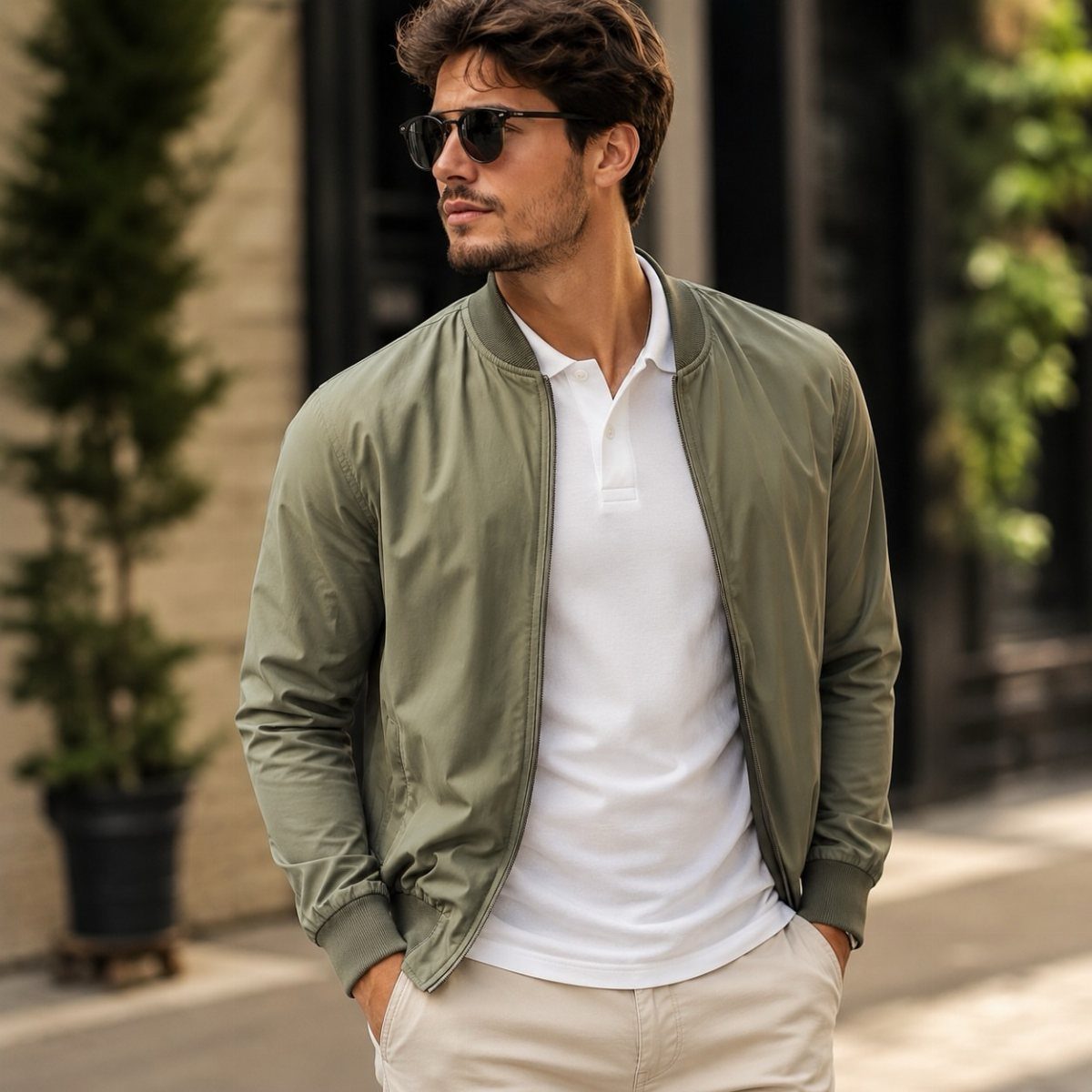
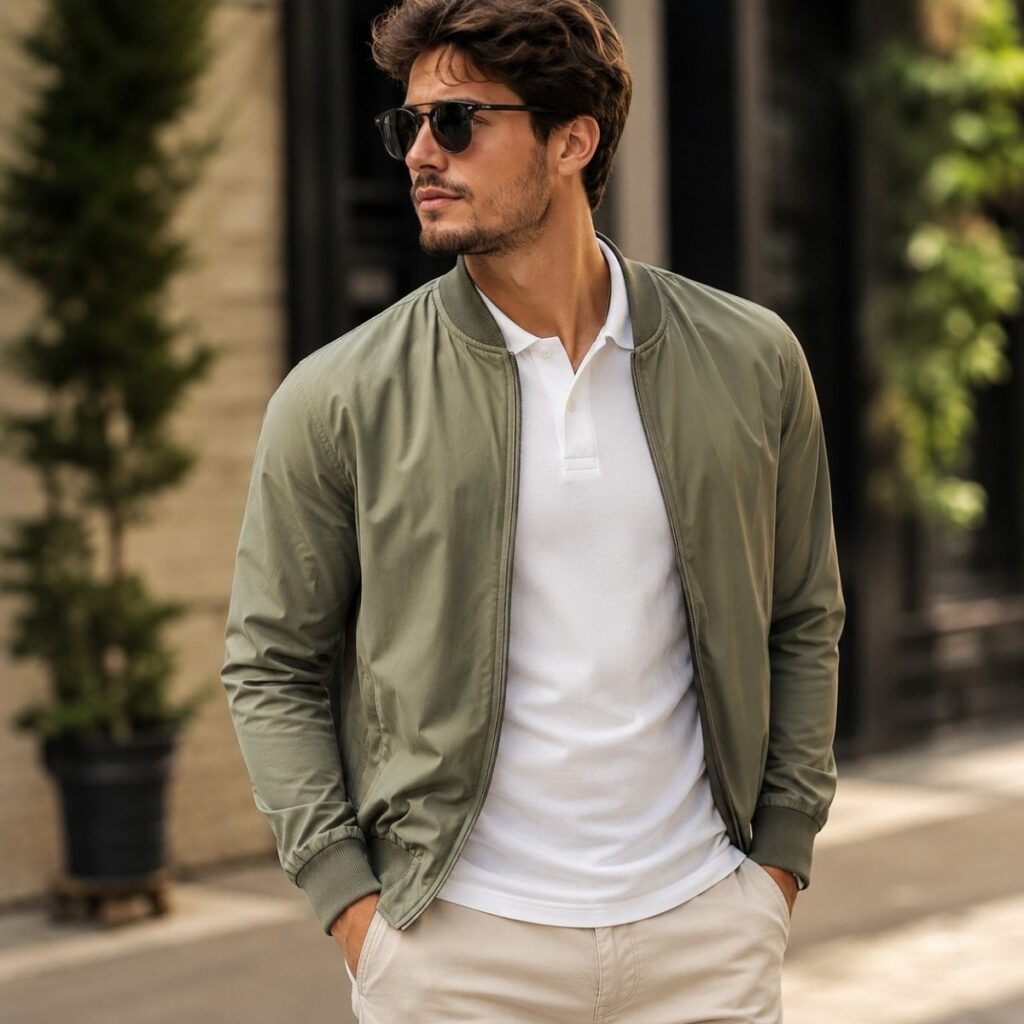
A bomber jacket in olive or navy works over polo shirts, oxford button-downs, henleys and lightweight knits, with chinos, denim or wool trousers underneath.
A fitted cut keeps the torso close without pulling, which reads cleaner than an oversized fit when you pair it with tailored bottoms.
The polo and chino pairing handles casual Friday, weekend errands and coffee dates without looking like you tried too hard.
Swap the polo for a crew-neck tee and you’re still dressed, or add a knit tie under the collar for dinner.
Stick with earth tones and navy if you want everything to work together without planning each morning.
2. Seasonal Style Updates
Adding one or two pieces each season keeps your wardrobe current without replacing everything.
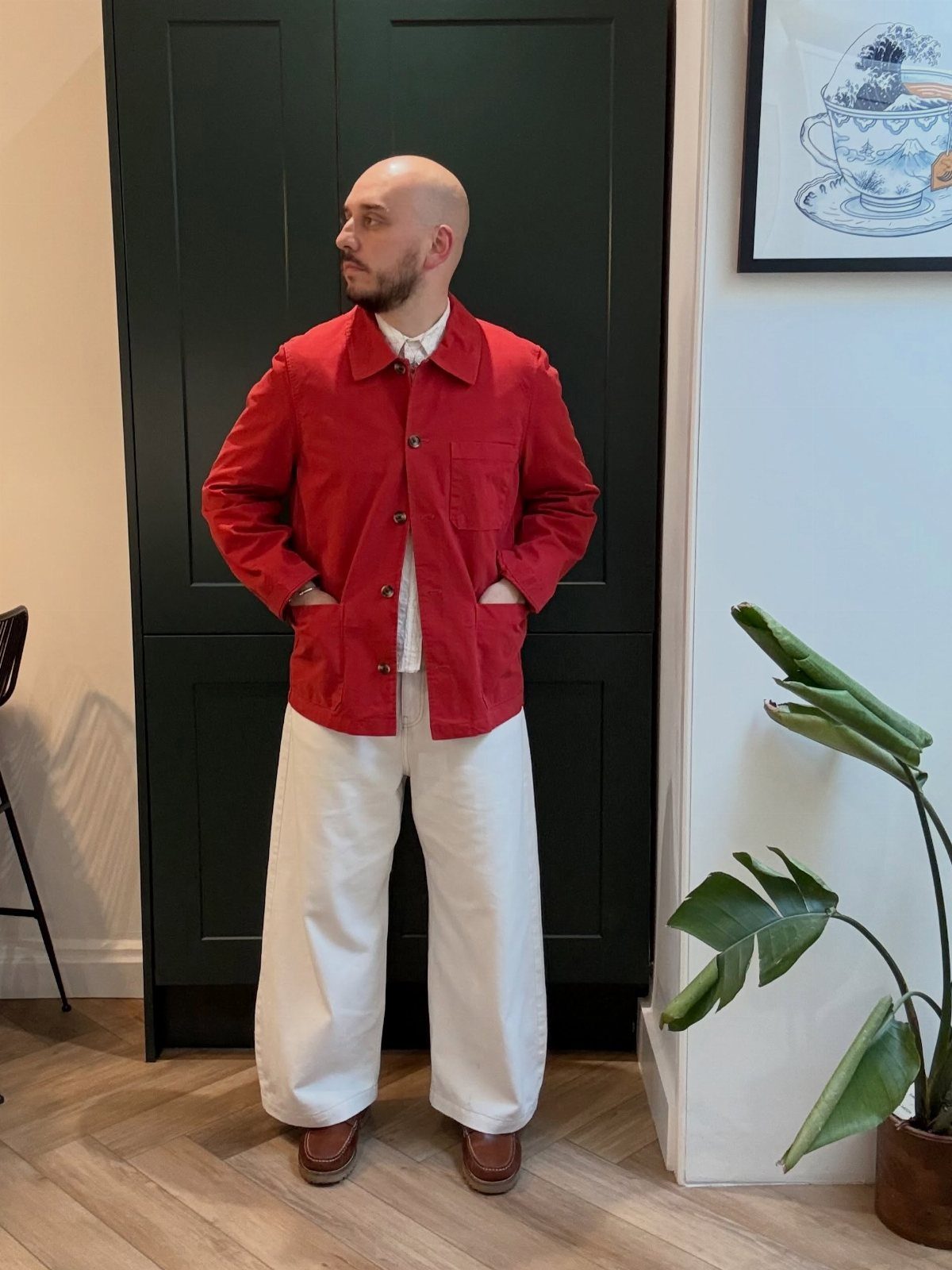
A red overshirt signals spring weight and color, layered over a standard white shirt, which means the base stays the same and the seasonal piece does the work.
Wide-leg trousers in linen or cotton twill suit warm weather better than slim cuts, and white or stone colors reflect heat. You get a contemporary silhouette without buying into a trend that fades fast.
I’d start with an overshirt or lightweight jacket in a strong color, then add trousers if the fit you own feels stale.
3. Quality Basic Pieces
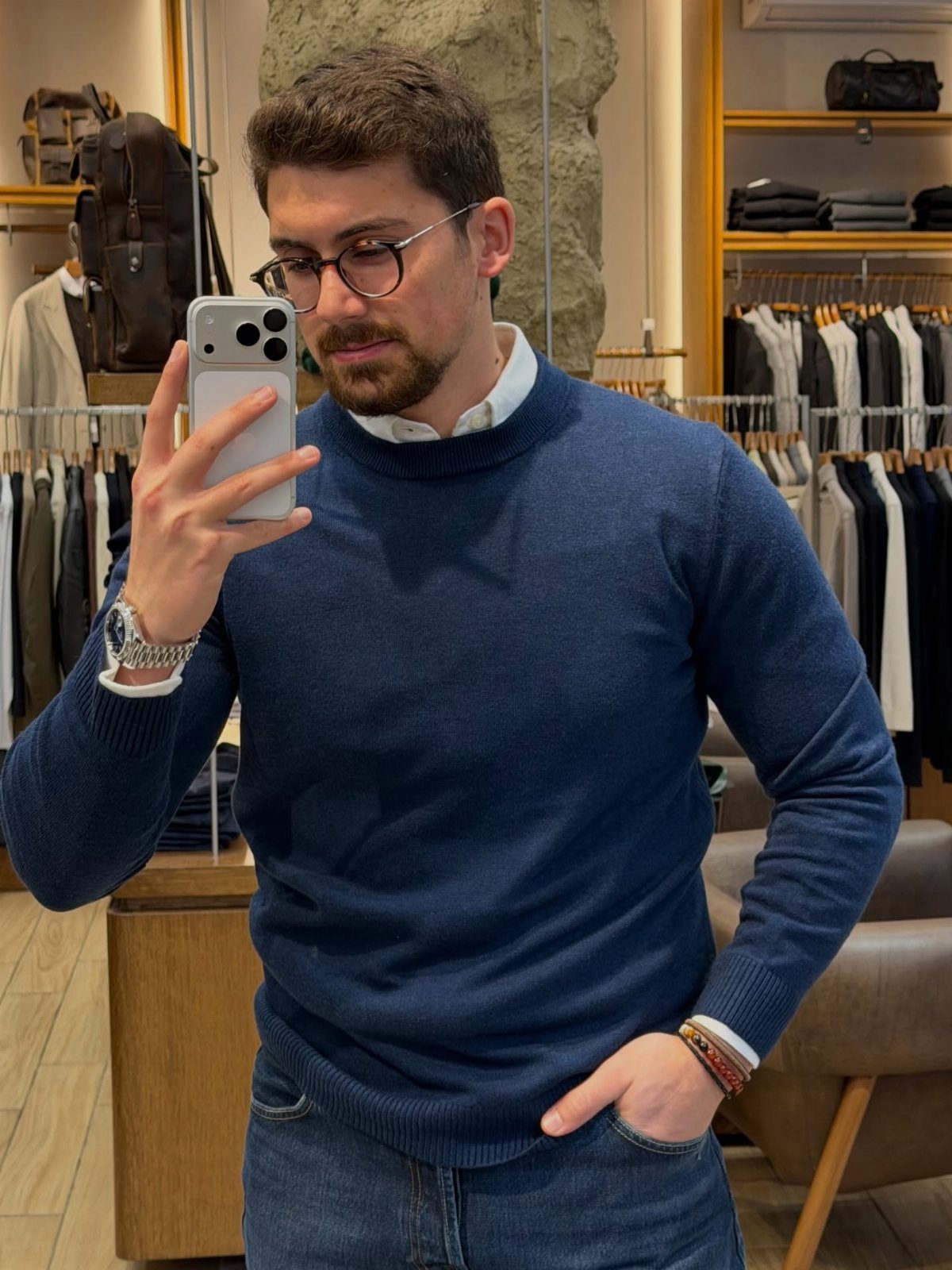
A navy sweater, white oxford shirt and dark denim are the pieces that get worn most often because they pair with everything else you own.
A crew neck layers cleanly under blazers and over collared shirts without bunching at the throat.
Buy the best version your budget allows. A merino or cotton-cashmere blend sweater lasts if you care for it, and the cost per wear drops below any cheaper knit that pills after a season.
Jeans in a straight or slim fit, not distressed, work for everything except formal events. I keep one dark pair and one mid-wash pair.
From essentials brands nailing basics like T-shirts and workout shorts to big-name designers with bold, adventurous statement pieces, there has never been a better time to shop for men’s clothing.
4. Mixing Patterns and Colors

The blazer and floral trousers work because the navy jacket is solid and the print sits below the waist, so your eye reads one strong element at a time instead of competing patterns.
Start with one patterned piece per outfit. A polka-dot scarf or printed trousers against solid separates gives you room to adjust if the combination feels too loud.
I’d wear solid shoes and a plain or subtly textured shirt when the trousers carry this much pattern.
Shopping Tips for Men
Free shipping and returns remove the cost of getting fit wrong, which matters more for menswear than it used to. Most retailers offer both, and some let you return items with tags on well past the usual window.
I’d open accounts at 3 or 4 stores whose aesthetic you trust, then order the same item in two sizes when you’re unsure.
Send one back. The shipping cost you avoid by guessing once often exceeds what you’d spend on a second order.
Check the return policy before you buy sale items.
Some stores mark final sale pieces clearly, others bury it in the cart. A discount on a shirt that doesn’t fit is still money lost.
Building a Capsule Wardrobe
A capsule wardrobe works when every piece pairs with at least 3 others you already own. That means choosing a narrow color palette first, then adding items that fit within it.
I keep mine to navy, grey, white, olive and one accent like rust or burgundy.
A blazer in navy works over grey trousers, dark denim and chinos without adjustment. A white shirt goes under all of it.
Aim for 12 to 15 pieces that cover work, weekends and one formal event. Each occasion doesn’t call for separate outfits if the trousers and shirt stay neutral and the third piece dresses it up or down.