
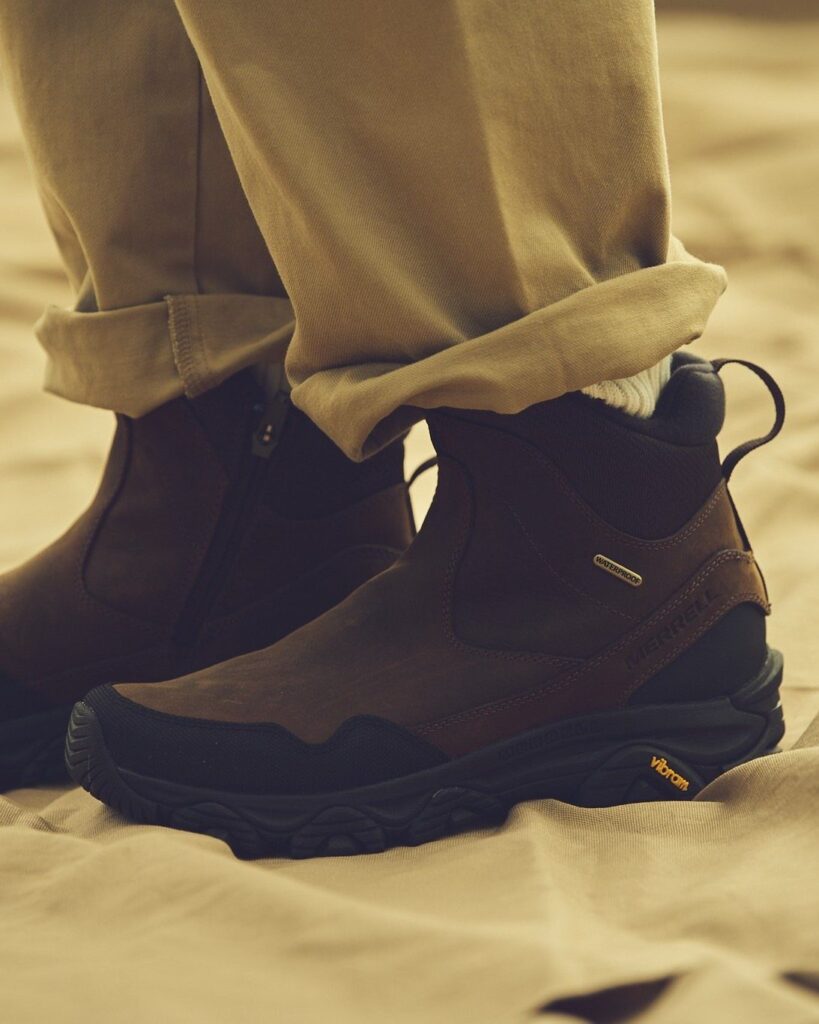
Winter boots range from quilted puffers that keep feet warm while standing still to full-grain leather hikers with lug soles built for rain and snow.
The right boot depends on whether you’re moving or stationary: insulated synthetics work when you’re commuting between heated buildings, while leather with waterproof membranes handles hours outside in cold weather.
1. Merrell Thermo Chill 2 Mid
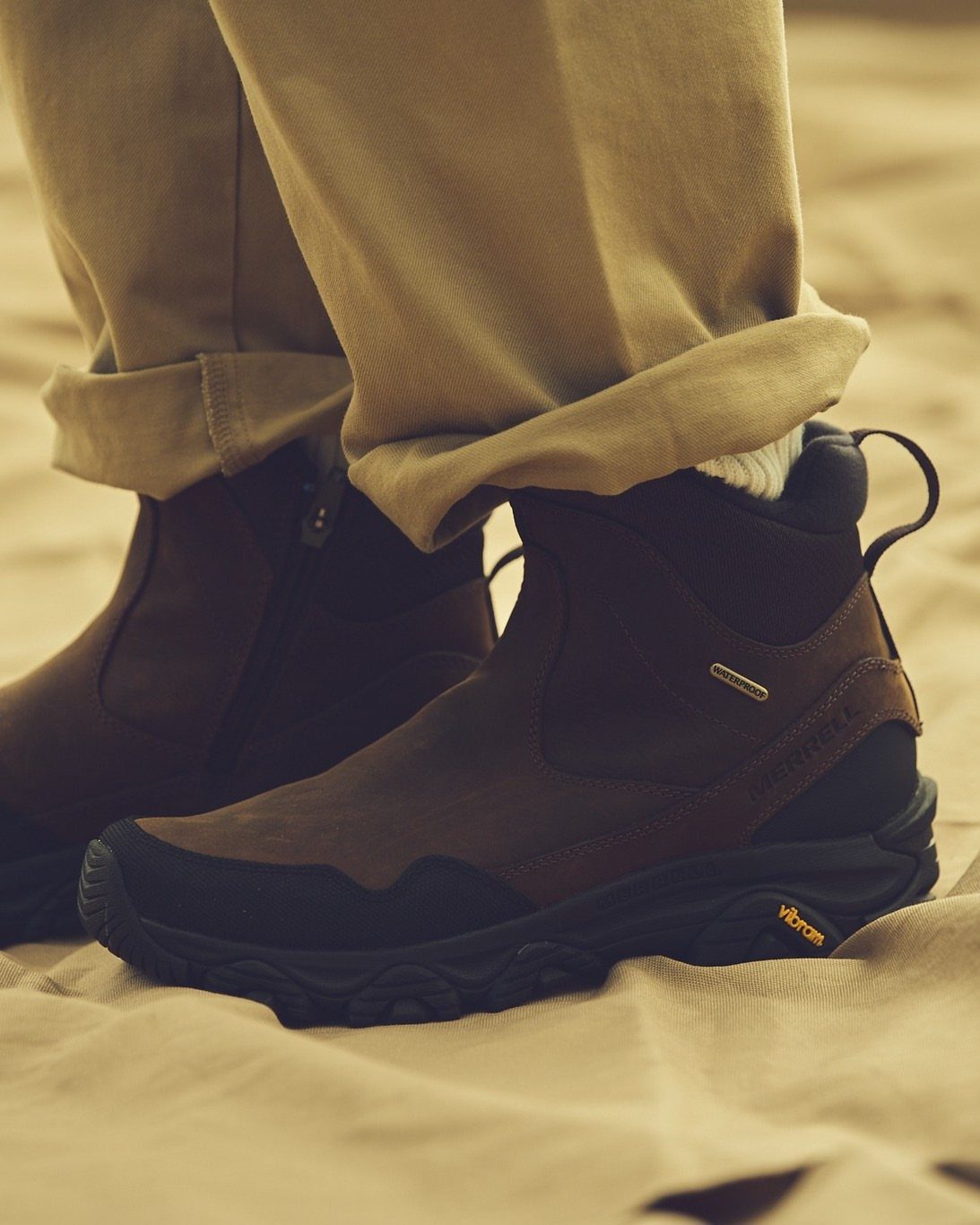
The Thermo Chill 2 Mid cuts weight without cutting warmth, which makes it the best lightweight option here. Waterproof membrane keeps snow and slush out, while the Vibram sole grips on ice and wet pavement.
Brown uppers pair better with casual trousers than a technical hiking boot would. The mid-height cut gives ankle coverage without the bulk of a full winter boot.
This works when you’re walking more than standing still. If you’re spending hours outside in single-digit temperatures, go heavier.
2. Danner Mountain Light
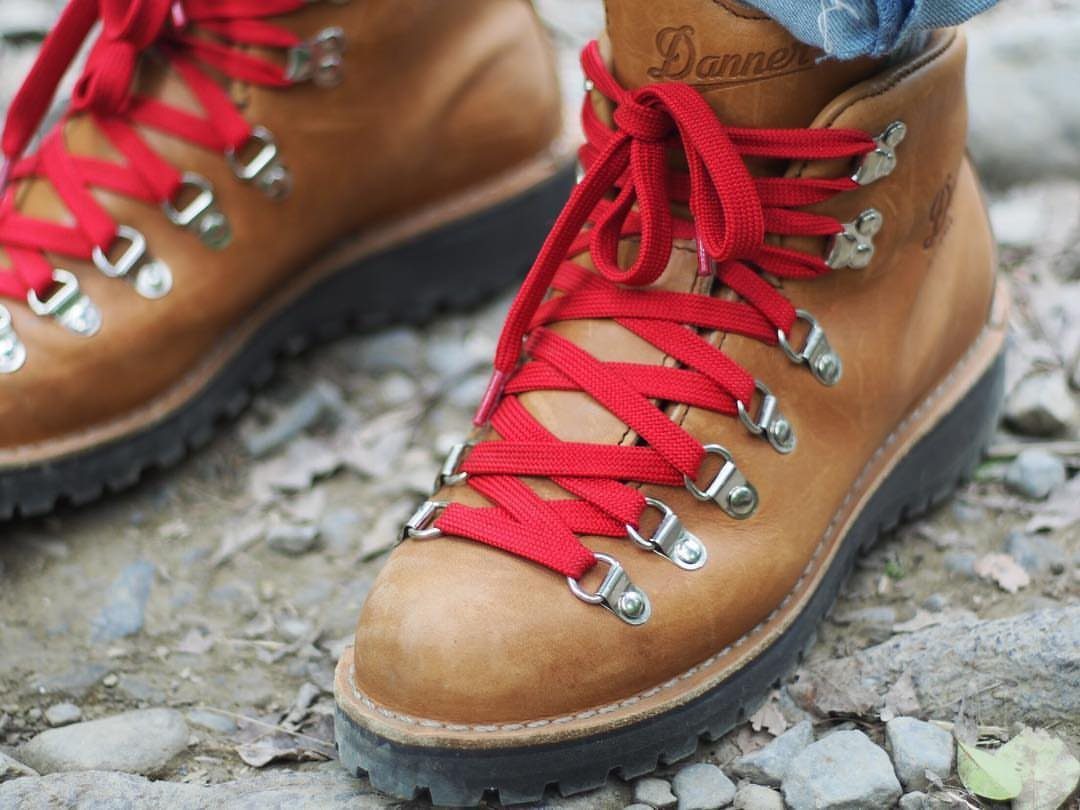
Full-grain leather, Vibram lug sole, and red laces that actually mean something: this is what a winter boot should look like. Danner built the Mountain Light for hiking in the Pacific Northwest, so it handles city snow without trying.
The silhouette is cleaner than most hiking boots.
Narrow profile, defined waist, no technical fabric panels. Tan leather reads neutral enough to wear with denim or wool trousers, and the red laces pull out the warmth in brown tones without looking forced.
If you’re buying one pair of winter boots to wear with everything, this is the one I’d pick.
3. Classic Tan Nubuck Work Boots
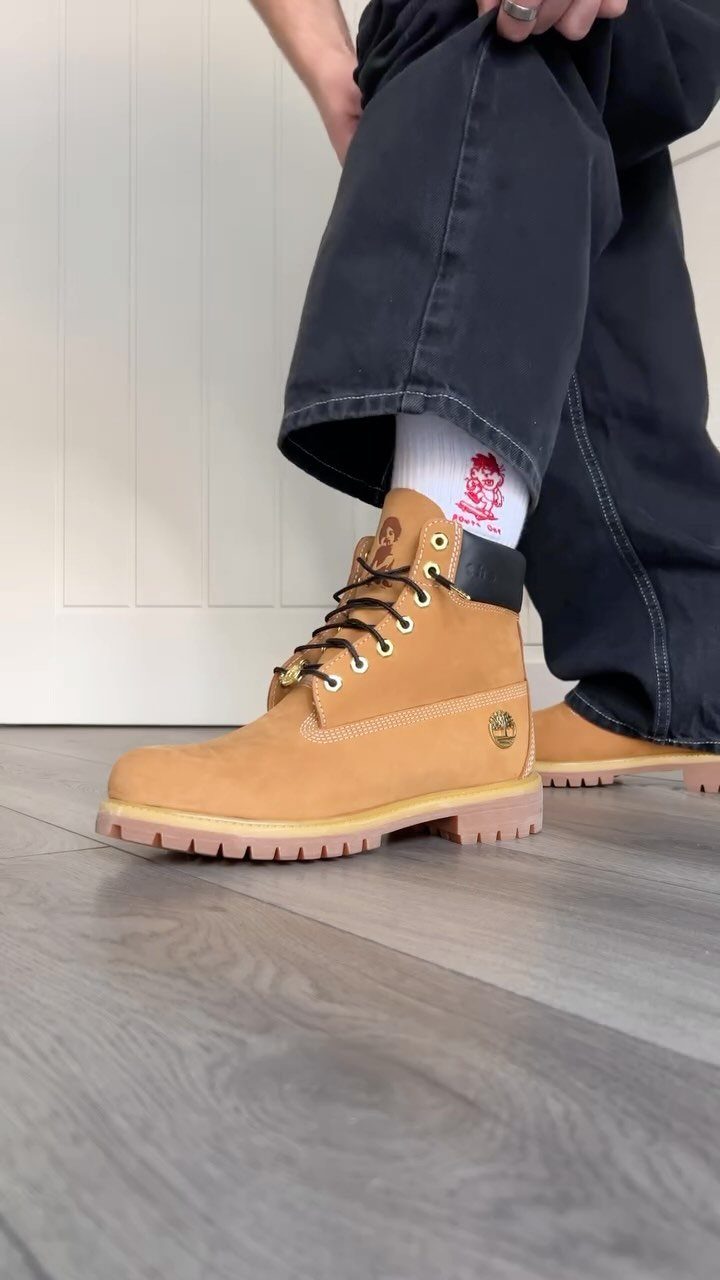
Tan nubuck work boots with black trousers is a sharper look than most winter boot styling suggests.
The contrast between light boots and dark pants creates a clear visual break that pulls the eye down, which lengthens your legs instead of chopping them at the ankle.
Cuffing the trousers keeps the hem clean and shows the full boot shaft. White socks add a second break, though you can skip that and go with dark socks for a cleaner line.
Nubuck scuffs easily but brushes out with suede cleaner. If that sounds like too much maintenance, stick with smooth leather.
4. Black Leather Lug-Sole Boots
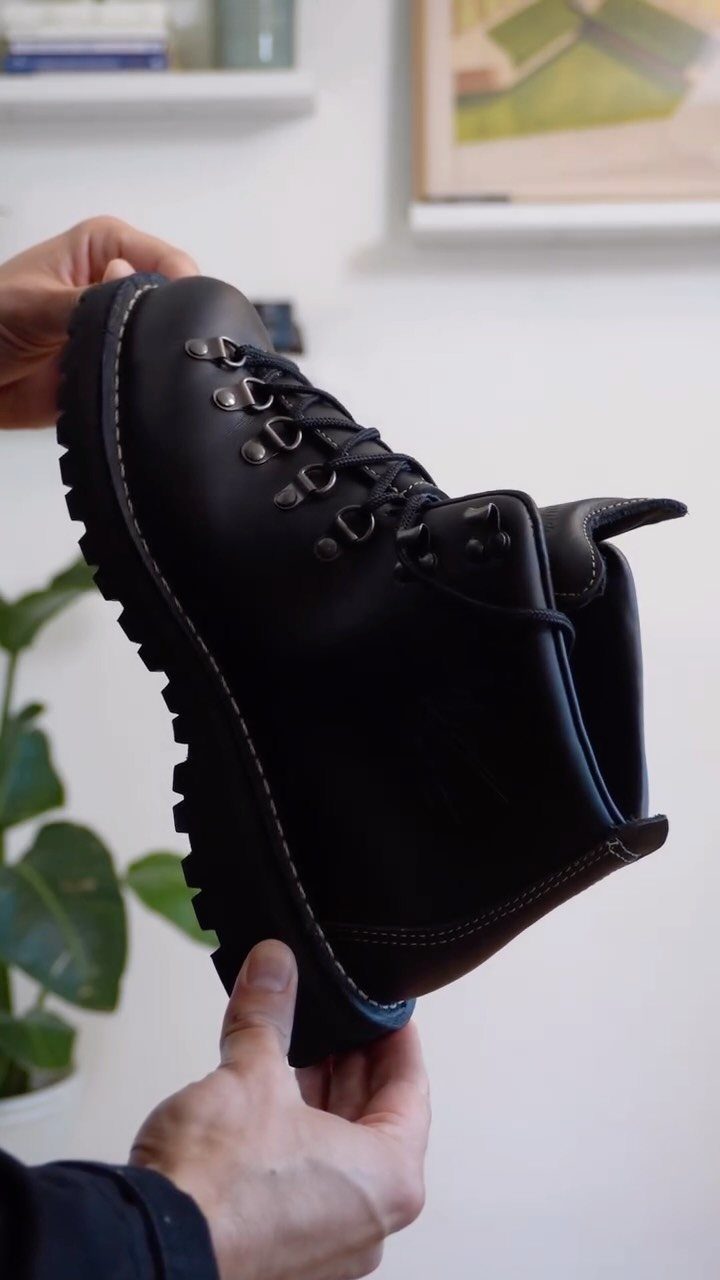
White contrast stitching turns a plain black boot into something with actual detail. The welt stitching here runs the full perimeter, which highlights the boot’s construction and gives it a finished look that black-on-black thread would hide.
Chunky lug sole adds grip and visual weight. Black leather lace-up boots can look too formal with casual clothes, but the thick sole and visible stitching push this one firmly into casual territory.
This works with black jeans, dark indigo denim, or charcoal wool trousers. Skip it with lighter colors unless you want your feet to anchor the whole outfit.
5. Black Urban Hiking Boots
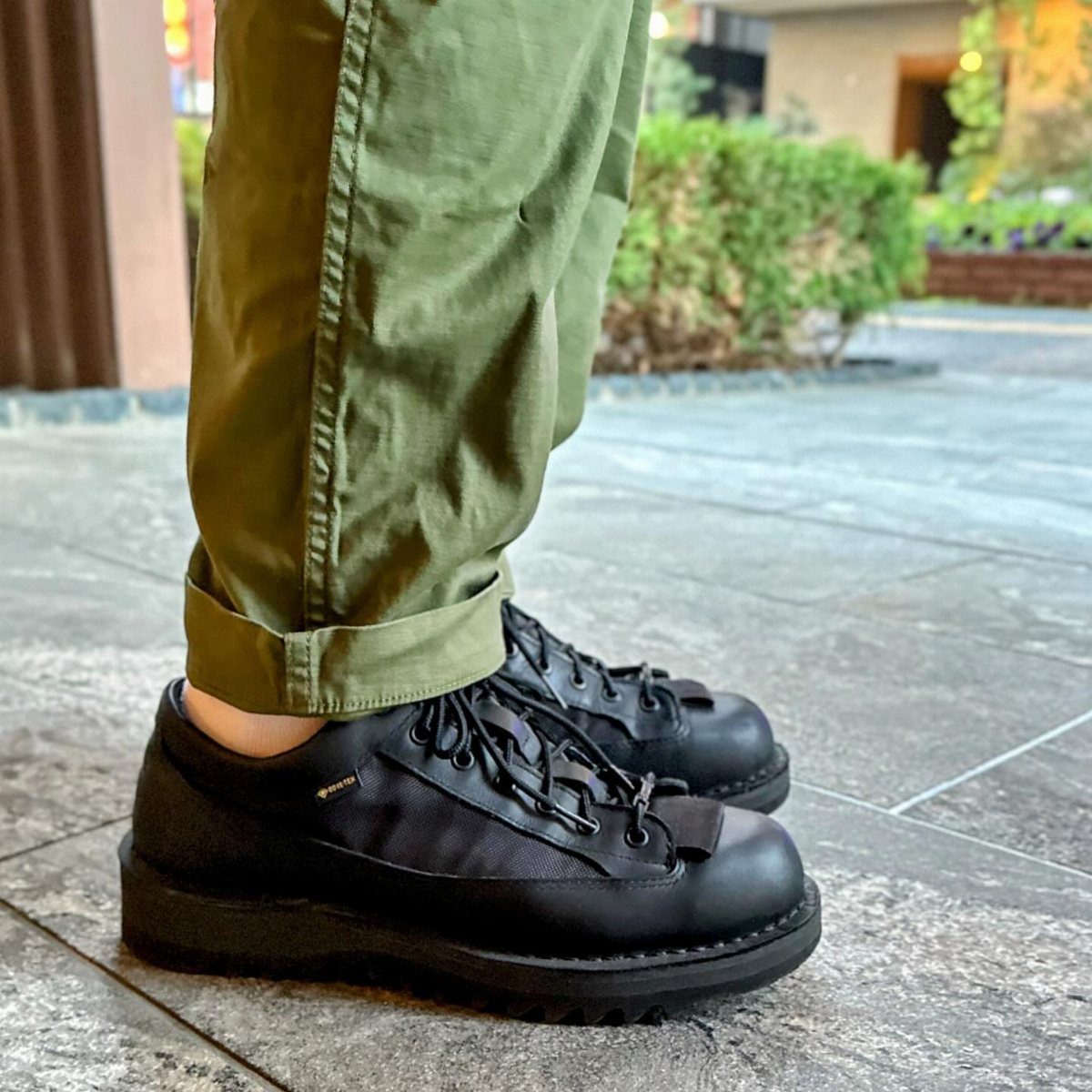
Black leather and nylon hiking boots with rolled olive trousers is the outdoor-meets-urban styling that actually works in winter.
The mixed materials give you waterproofing and breathability where each one is needed, and the black colorway keeps the technical look from reading too sporty.
Rolling the trousers shows the full boot and breaks up the silhouette. Olive and black is a natural pairing that keeps the outfit grounded without looking military.
These fit when you’re moving between transit, errands, and walking. If your day involves prolonged standing in snow, go for insulated leather instead.
6. Brown Leather and Suede Boots
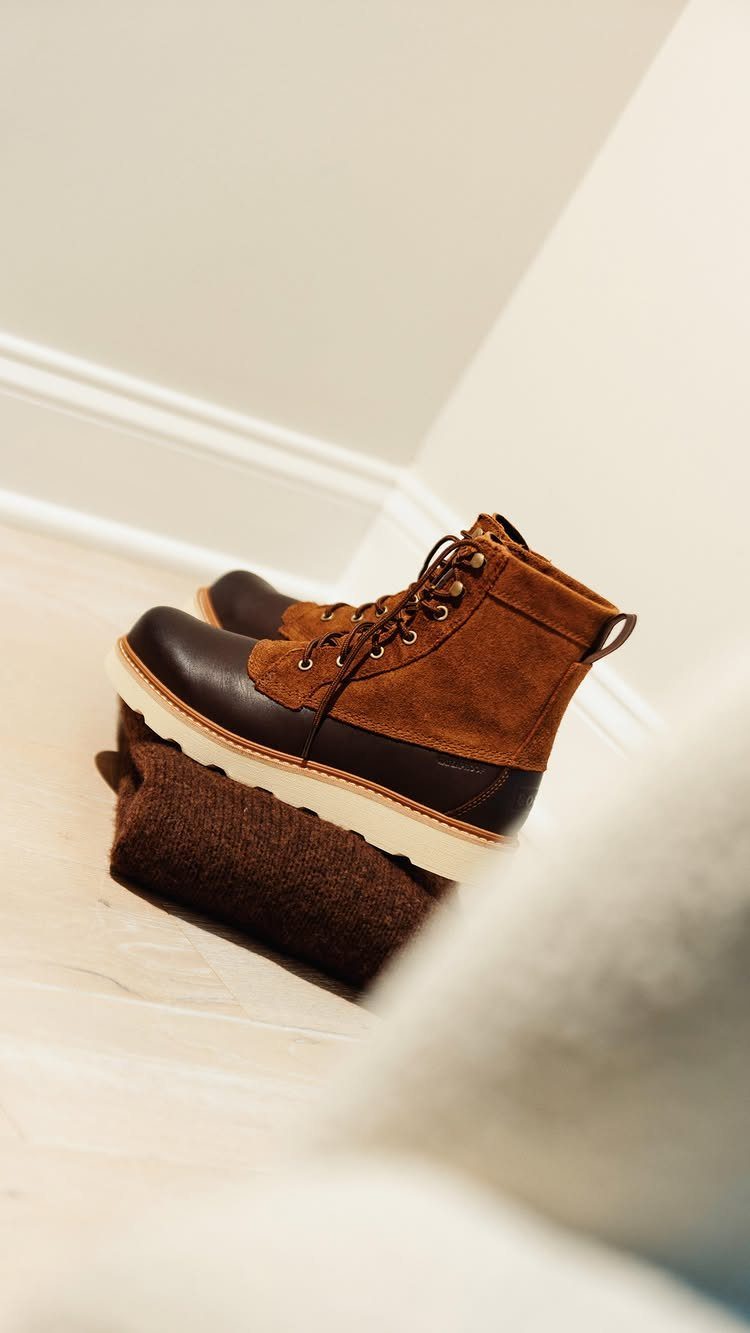
Brown leather toe and heel panels with suede quarters give you texture contrast without pattern. The white sole lightens the overall look and keeps these from reading as heavy as an all-dark boot would.
Mid-cut height covers the ankle without committing to a full hiking boot. The mix of materials adds visual interest, and the brown-on-brown keeps it subdued enough to wear with most casual trousers.
Suede needs more care in wet conditions. Spray it with waterproofing treatment before the first wear, and brush it after each outing to lift the nap back up.
7. Duck Boots with Colorful Laces
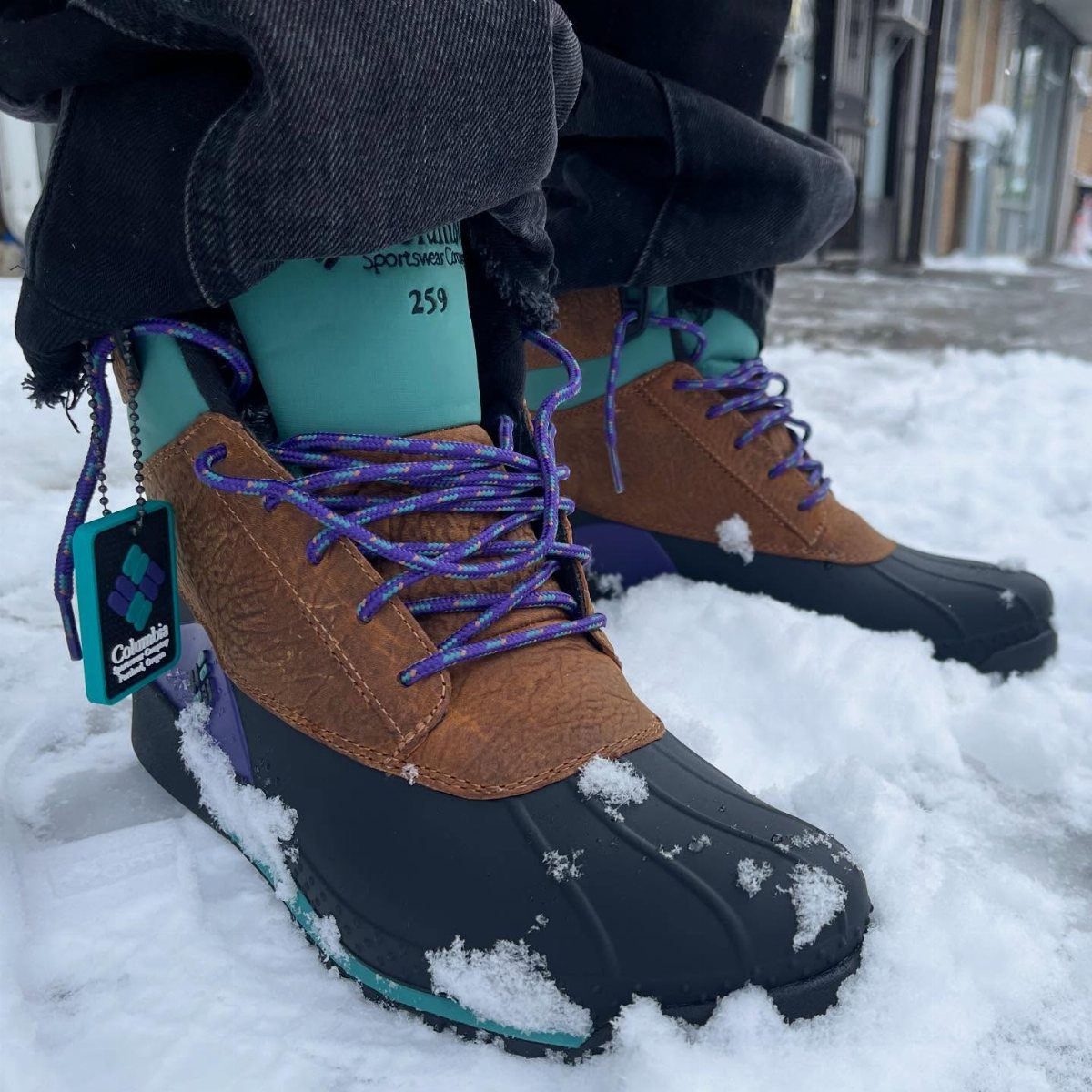
Purple laces against brown leather and black rubber is the move that makes duck boots yours. The colorway here adds personality without changing the boot’s function: waterproof rubber shell, leather upper, and a sole that grips in slush.
Teal accents at the eyelets give you a second color to pull from when choosing socks or outerwear. The contrast stops it reading as pure workwear.
Duck boots run wide. If you’re between sizes, go down.
8. Quilted Puffer Winter Boots
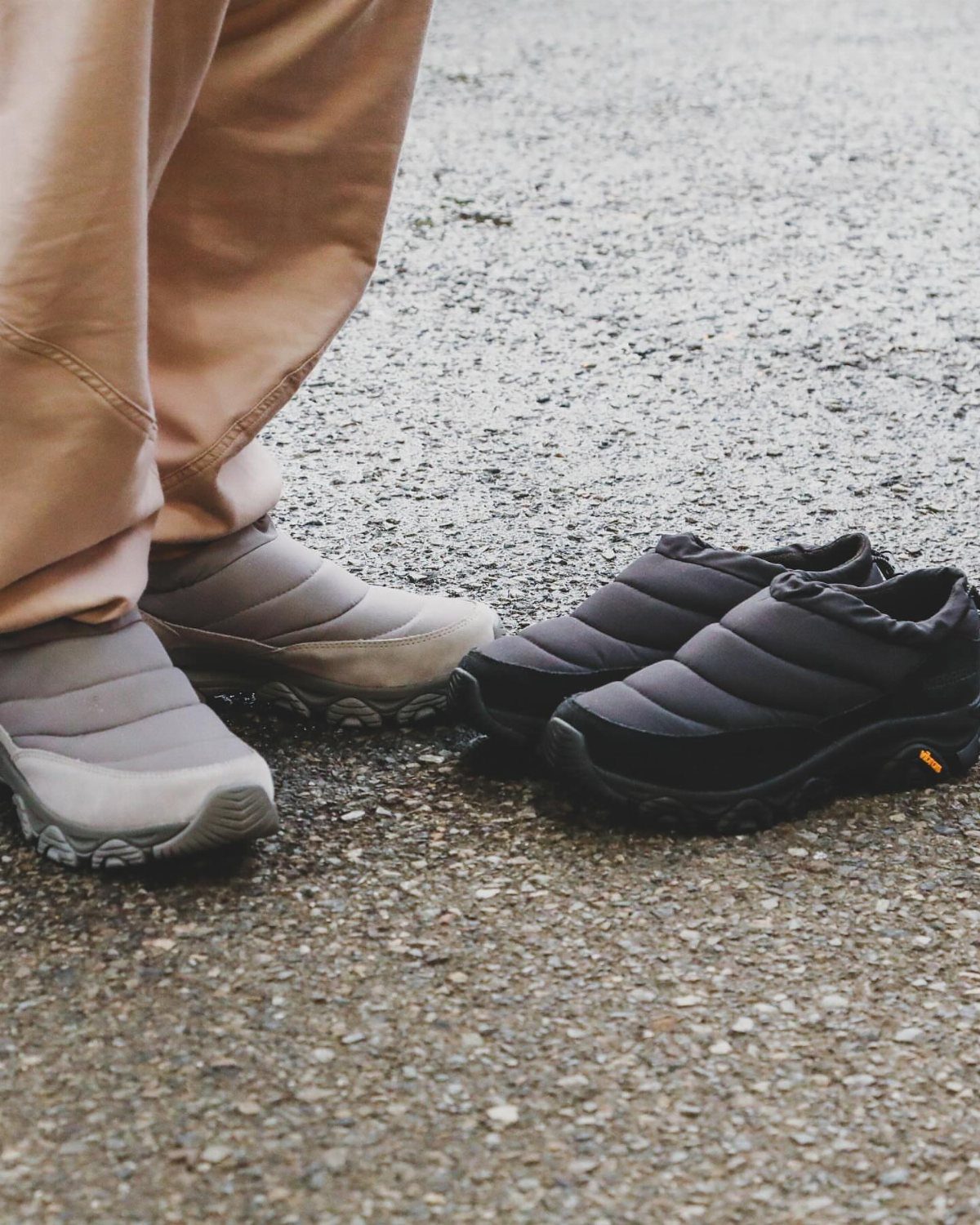
Quilted puffer boots keep your feet warm when standing still, which is where most winter boots fail. The insulation wraps the entire boot, not just the toe box, and the puffy construction traps more air than smooth leather does.
Grey works with denim and chinos without the visual weight of black. The silhouette is chunky, so keep the rest of your outfit fitted: slim trousers, a streamlined coat, no wide-leg pants.
These shine when you’re commuting or waiting outside. For walking distance, go with something lighter.
9. Brown Leather Chelsea Boots
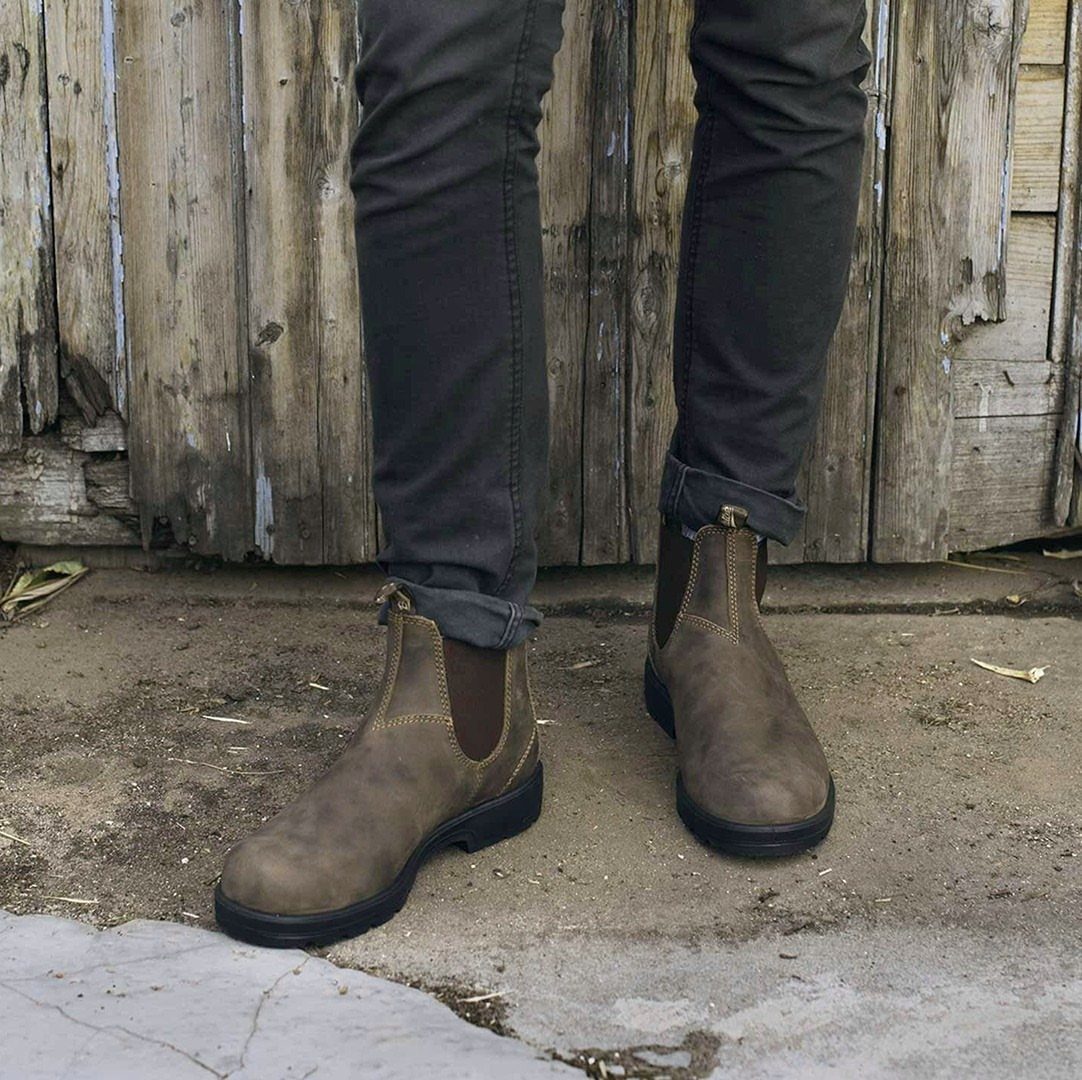
Chelsea boots in brown leather give you winter coverage without laces, which matters when you’re pulling boots on and off multiple times a day.
The elastic gusset stretches to let your foot in, then holds the boot snug around your ankle.
Dark grey trousers and brown boots is a cleaner pairing than black and brown. The grey acts as a neutral that lets the brown stand out without competing.
Chelsea boots work in snow only if the leather is treated. Spray them before the season starts, or the salt will stain the vamp.
10. Black Suede Red-Laced Boots
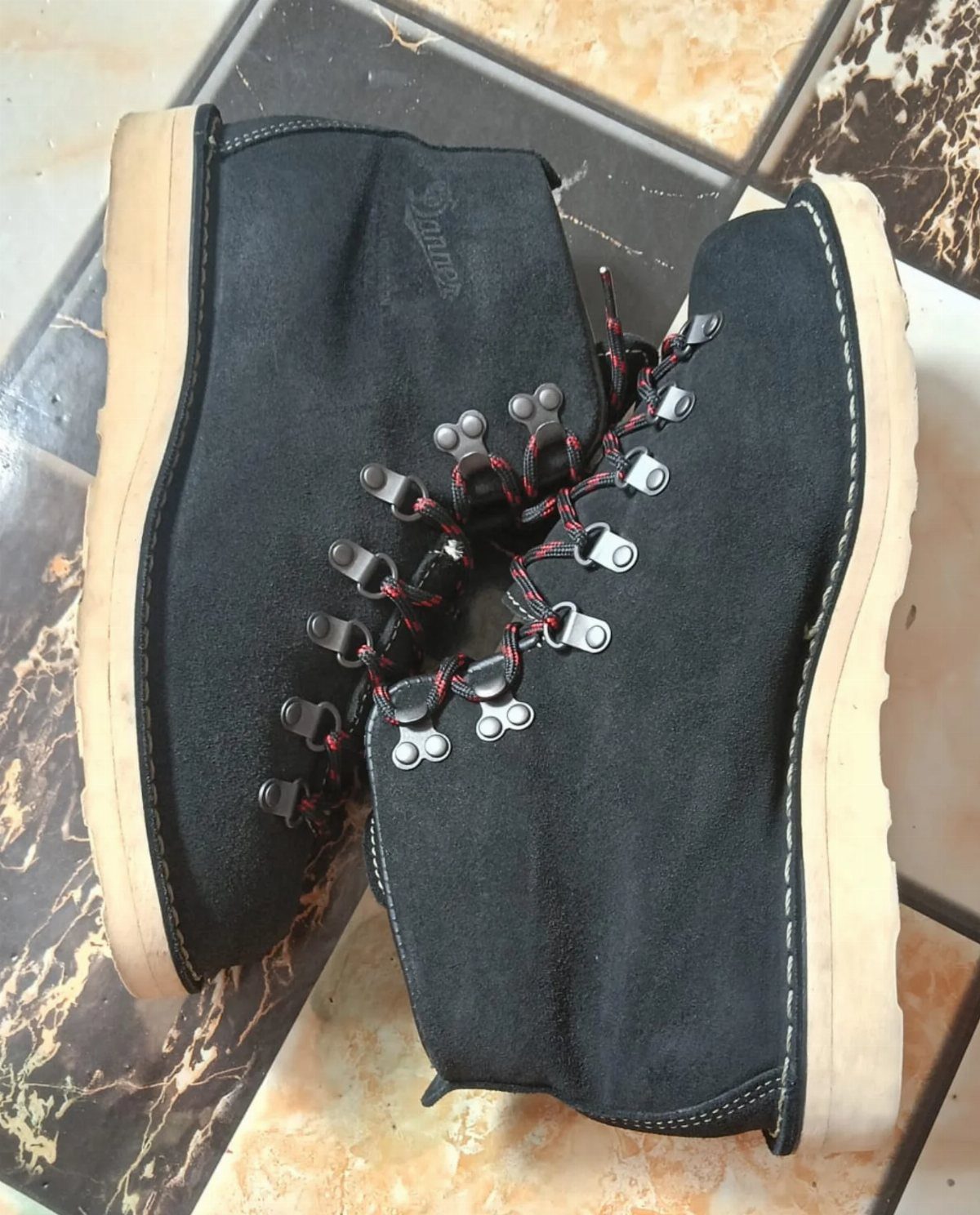
Red laces on black suede is the detail that separates this from every other black boot.
The tan rubber sole lightens the base and keeps the boot from looking too heavy, while the red pulls your eye to the lacing and adds warmth.
Suede needs brushing after each wear in winter.
Salt and slush flatten the nap, and if you let it sit, the texture is gone. A suede brush lifts it back up.
This works when you want a black boot with character. Skip it if low maintenance is the priority.
11. Dark Brown Leather Lace-Up Boots
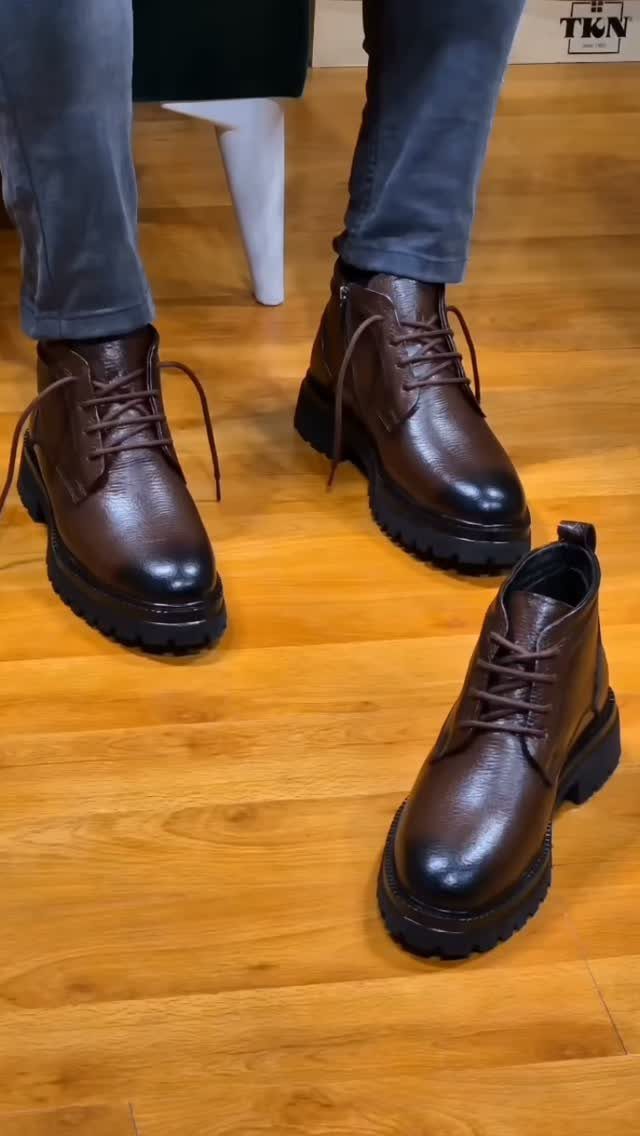
Dark brown leather with grey trousers is the pairing that looks deliberate without looking styled. The brown adds warmth, the grey stays neutral, and the contrast between them is subtle enough to wear to the office.
Lace-up boots give you adjustability that slip-ons do not.
Tighten them when walking on ice, loosen them indoors. The leather will crease at the flex point, which is normal and adds character over time.
These fit when you need one boot for work and weekends. The silhouette is clean enough for both.
12. Brown Suede Ankle Boots
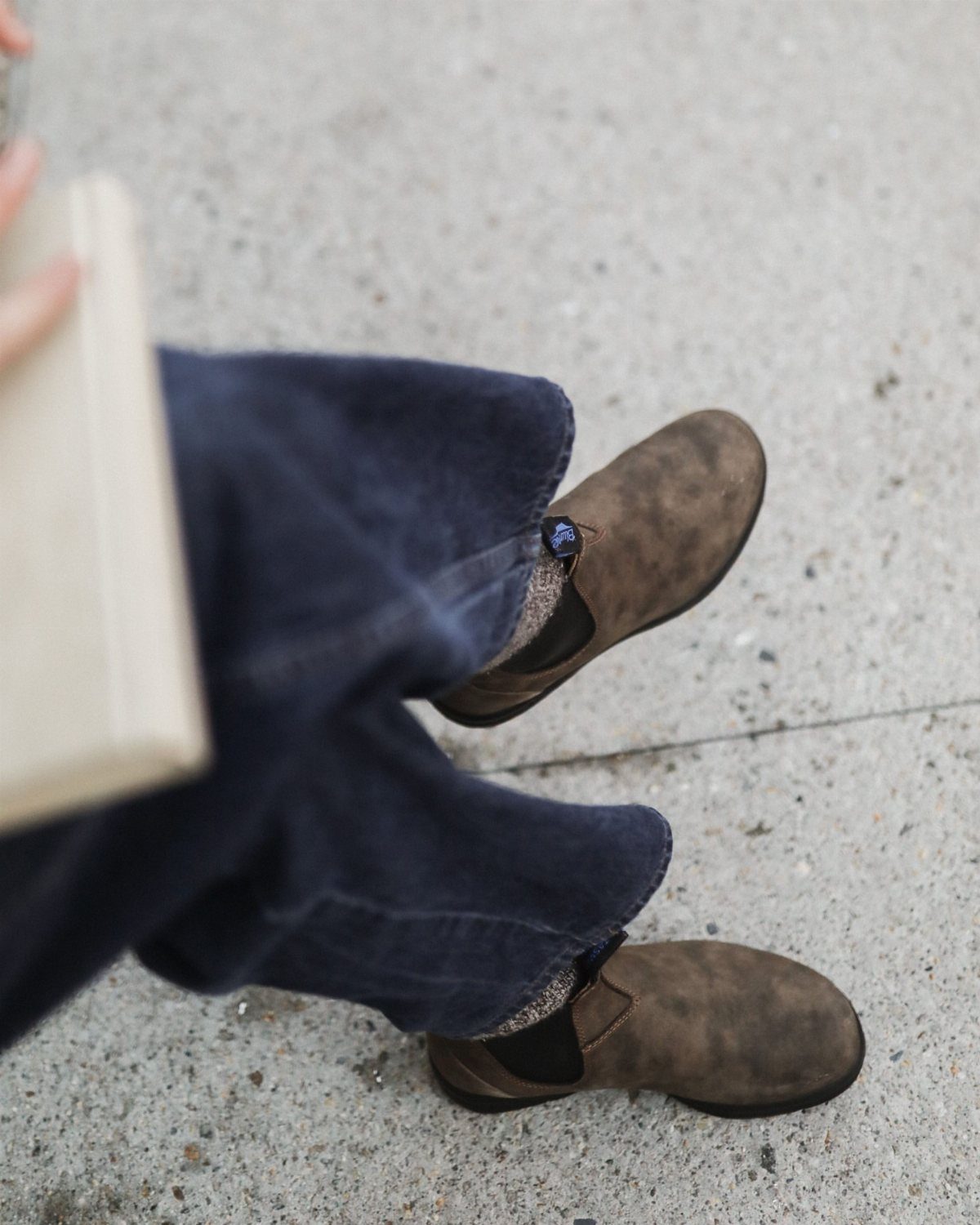
Brown suede ankle boots cut lower than most winter boots here, which makes them the right choice when you’re not dealing with deep snow.
The short shaft keeps the profile slim, and the suede reads softer than leather without losing structure.
Navy trousers and brown boots is the combination that works every time. The colors sit close enough in tone that the transition is smooth, and the brown grounds the navy without heaviness.
Suede absorbs water, so treat it before wearing. If you’re in wet conditions daily, leather is the better pick.
Choosing the Right Winter Boot
Insulation matters most when you’re standing still.
Synthetic fills like Thinsulate and PrimaLoft trap warmth without adding bulk, while removable liners let you adjust for temperature. If you’re moving between heated buildings, you need less insulation than someone spending hours outside.
Gore-Tex membranes block water while letting sweat escape, which prevents that clammy feeling. Rubber shells, like on duck boots, are fully waterproof but offer no breathability.
Traction comes from the sole. Lug patterns channel slush away from the contact point, which gives you more surface area on the ground.
Fit should account for thick socks.
Try boots on with the socks you’ll actually wear, and leave room at the toe box. Too tight and your toes go numb in the cold.
Warmth: There’s no room for flimsy thin boots in winter, so the best winter boots are beefy and come with some form of extra insulation, whether it be something like Thinsulate, Primaloft, natural wool insoles, or a modular system that includes a removable liner.
— GQ
Winter Boot Maintenance
Brush leather after each wear to remove salt and dirt before they stain.
Salt dries out leather and leaves white marks. A damp cloth lifts surface salt, while a stiff brush gets into seams.
Condition smooth leather every few weeks during winter.
Leather conditioner replaces oils that cold weather strips out, which keeps the material flexible. Apply it to clean, dry boots and let it absorb overnight.
Suede needs a suede brush, not a regular one.
Store boots with shoe trees or crumpled newspaper inside. This holds the shape while they dry and pulls moisture out of the interior.
Styling Winter Boots
Fit the rest of your outfit to the boot’s silhouette.
Chunky boots with slim trousers balance the proportions. Wide-leg pants and puffy boots stack too much volume at the bottom.