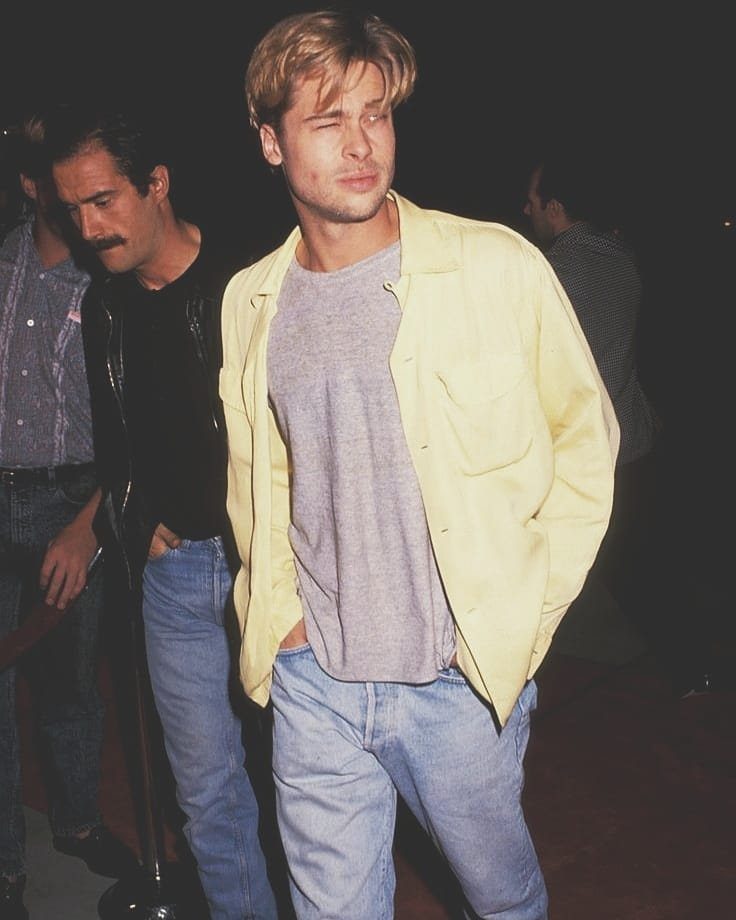
The shift from structured 80s tailoring to the looser, comfort-driven silhouettes of 1992 gave men room to move without sacrificing shape, and these 15 pieces show how the era balanced volume with intention.
The mid-rise waist on cargo pants sits just below your navel so the fit stays clean when you sit, and color-blocking that divides a windbreaker into even thirds across the chest and sleeves keeps proportions sharp without tipping into costume.
1. Patterned Shirts
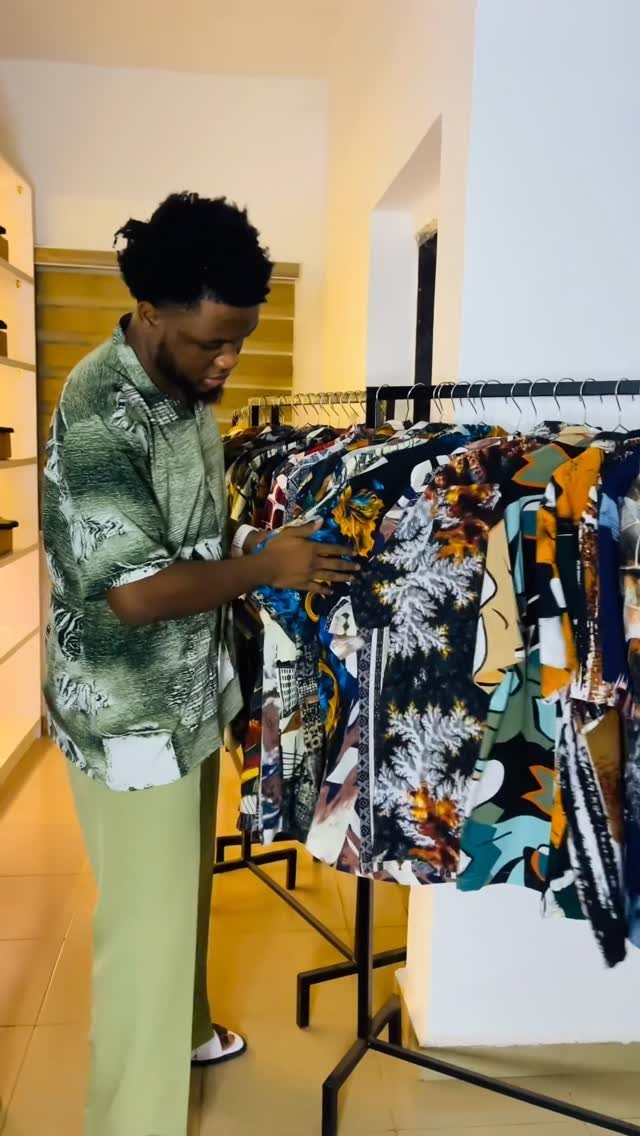
The boxy cut gives the shirt room without looking sloppy, and the short sleeves keep it casual enough for warm weather or layering over a long-sleeve tee.
I like how the looser fit works with slimmer pants, the way olive or khaki balances out a bold pattern.
Pick a pattern with some spacing between repeats so it reads at a glance without overwhelming.
Roll the sleeves once for a bit more structure at the shoulder. A plain watch and low-profile sneakers let the shirt carry the outfit.
2. Denim Jackets
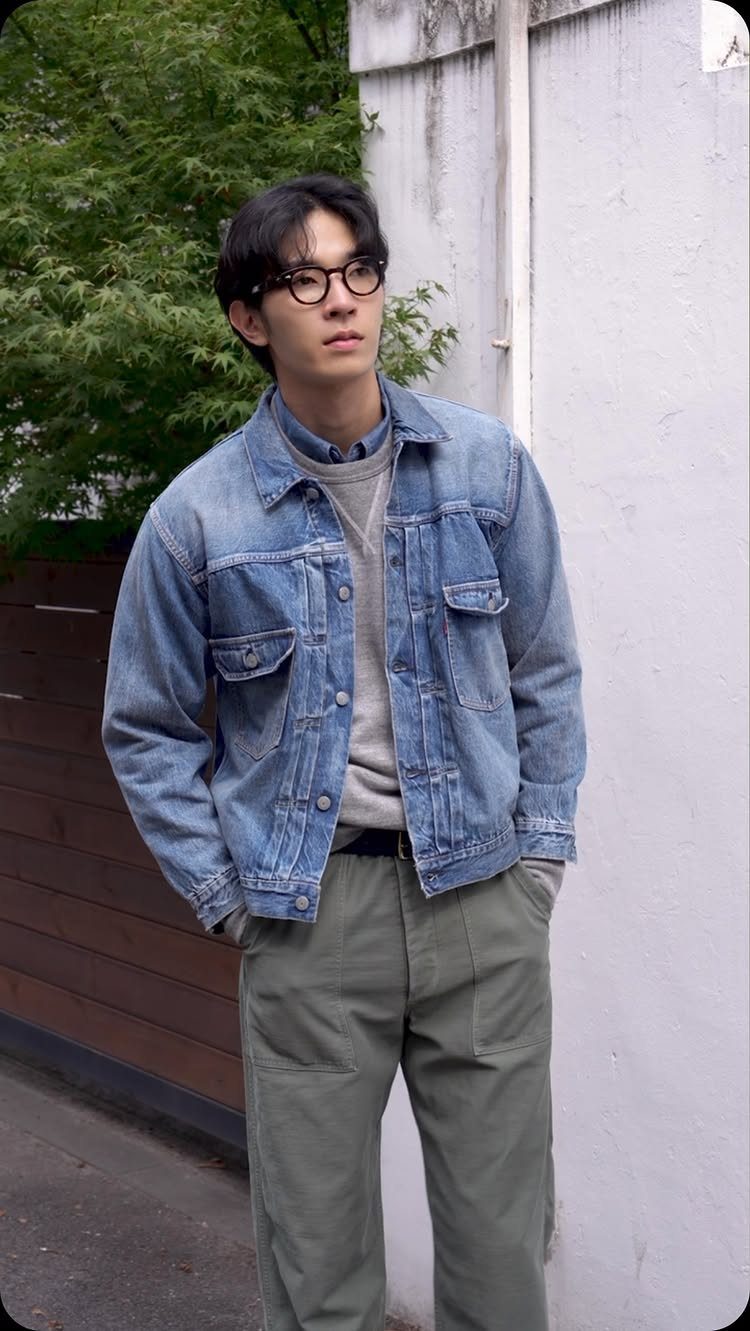
Layer it over a knit sweater and you get warmth without bulk, the denim sitting just at the hip where a jacket should end. The mid-blue wash pairs cleanly with grey, olive or black underneath.
Size up one from your usual shirt size so the jacket closes comfortably over a sweater.
The collar should lie flat, not stand away from your neck. I prefer a slightly faded wash over a dark rigid denim for this look, it softens the whole outfit and reads less workwear.
3. Cargo Pants
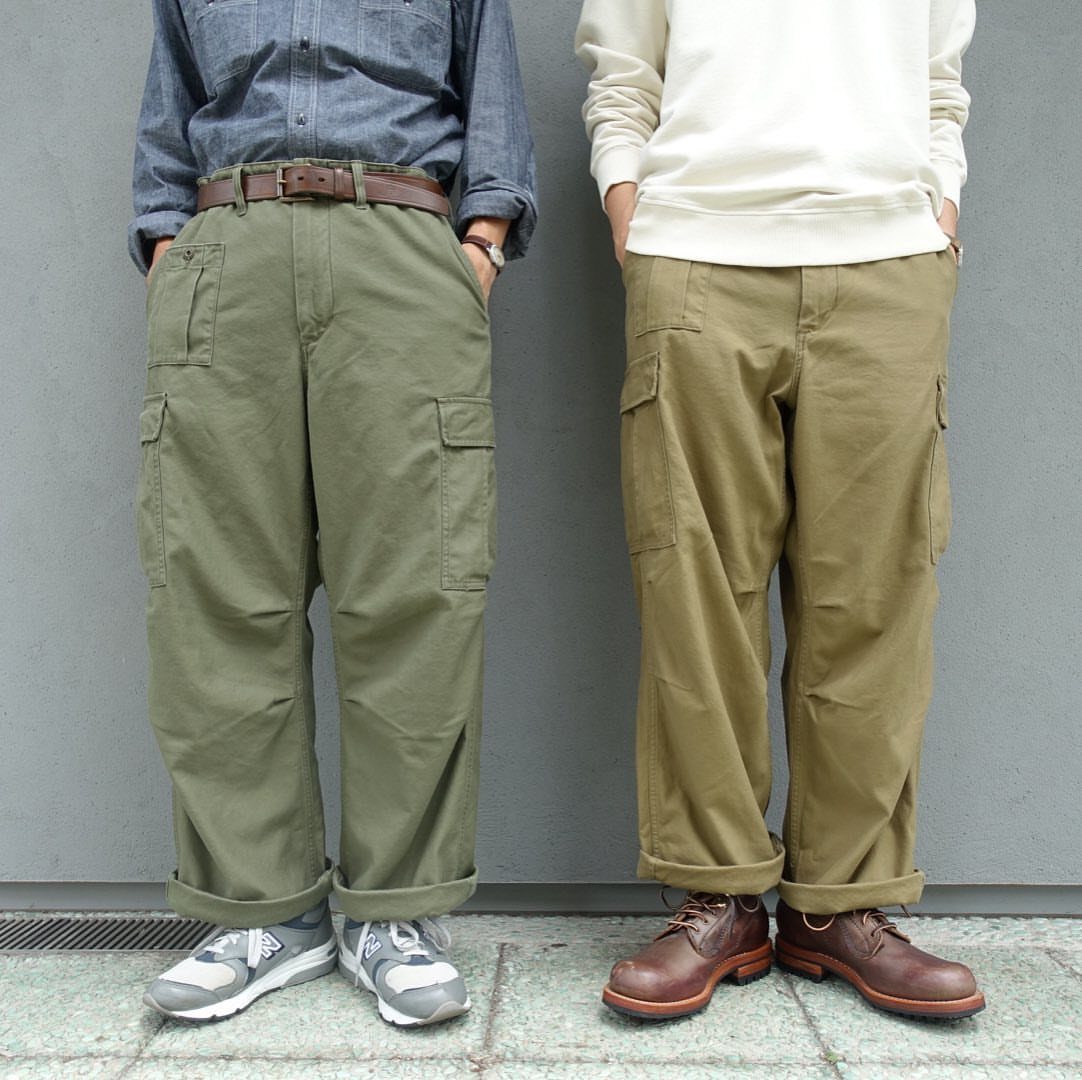
The side pockets sit low enough that your hands land naturally, and the extra fabric through the leg gives you room to move without looking like you borrowed someone else’s pants.
Cuffing the hem once or twice tightens the silhouette at the ankle and shows off your sneakers.
Olive and tan are the most forgiving colors, they pair with nearly everything and age well. I’d go for a mid-rise waist, sitting just below your navel, so the pants don’t slouch when you sit down.
4. Windbreakers
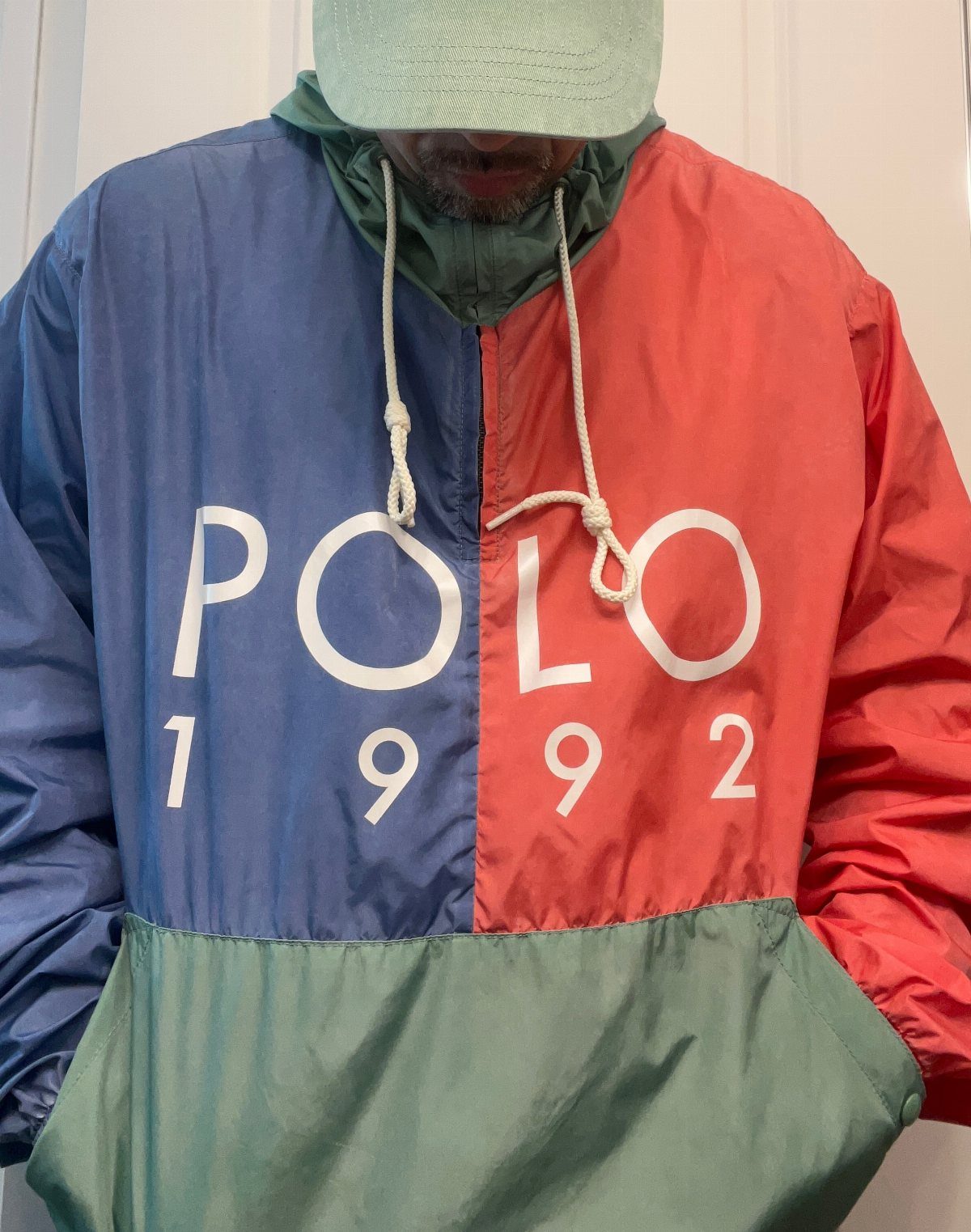
Color-blocking in thirds splits the jacket into clean horizontal bands, and the contrast makes even a simple outfit feel deliberate.
The nylon fabric packs down small and dries fast, so it works as a top layer you can stash in a bag.
Look for a fit that ends at your belt line, not mid-thigh, so the proportions stay sharp.
A half or quarter zip is easier to throw on than a full pullover. Pair it with solid pants and keep everything else simple so the jacket does the work.
5. Bucket Hats
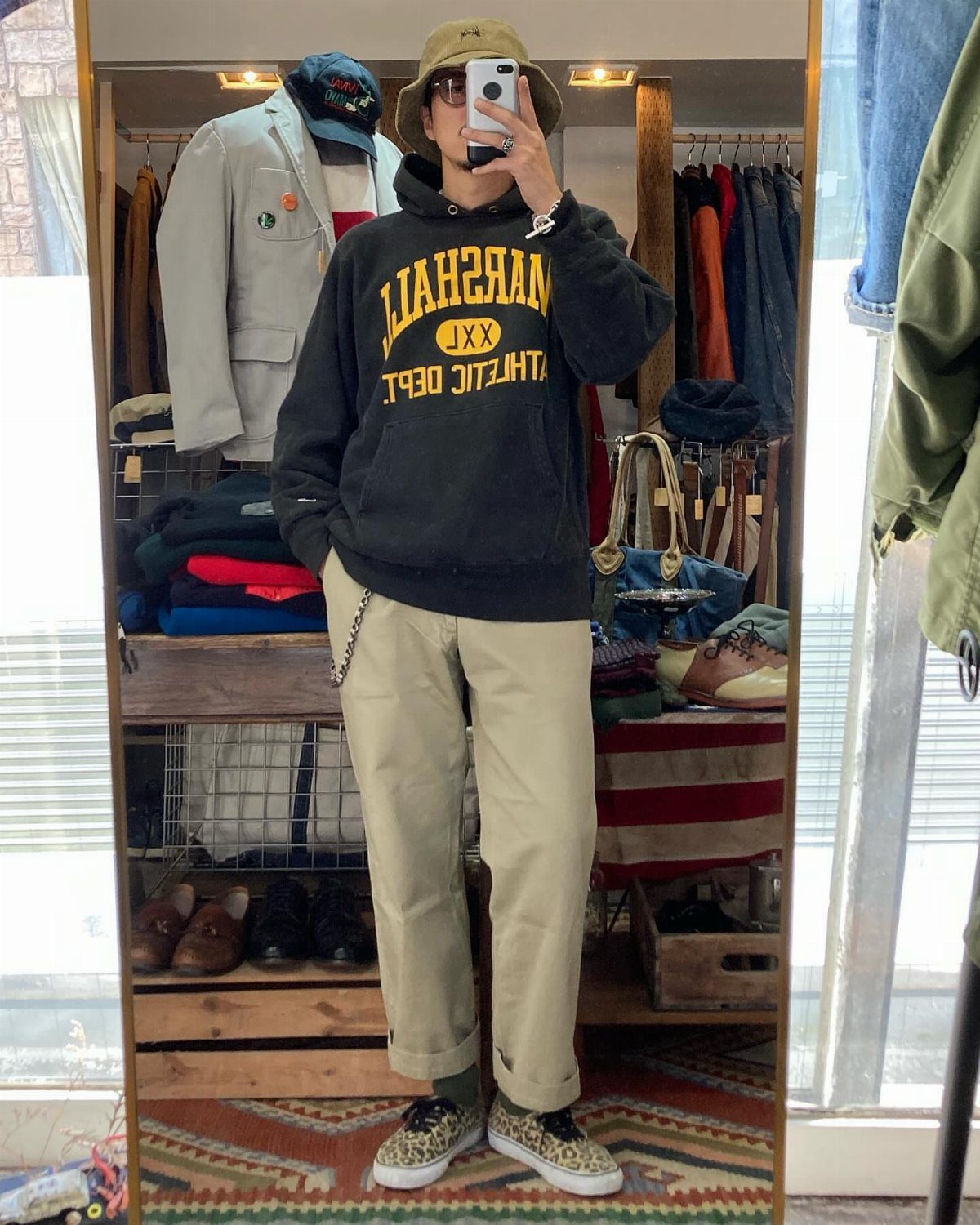
Tan or beige works with nearly every color you’ll wear, and the downward slope of the brim keeps sun off your face without blocking your peripheral vision. The soft crown packs flat, so it travels better than a structured cap.
Size it so the band sits snug just above your ears without leaving a mark.
I like a slightly wider brim for better coverage without looking cartoonish. Pair it with a hoodie or a plain tee and let the hat add the detail.
6. High-Top Sneakers
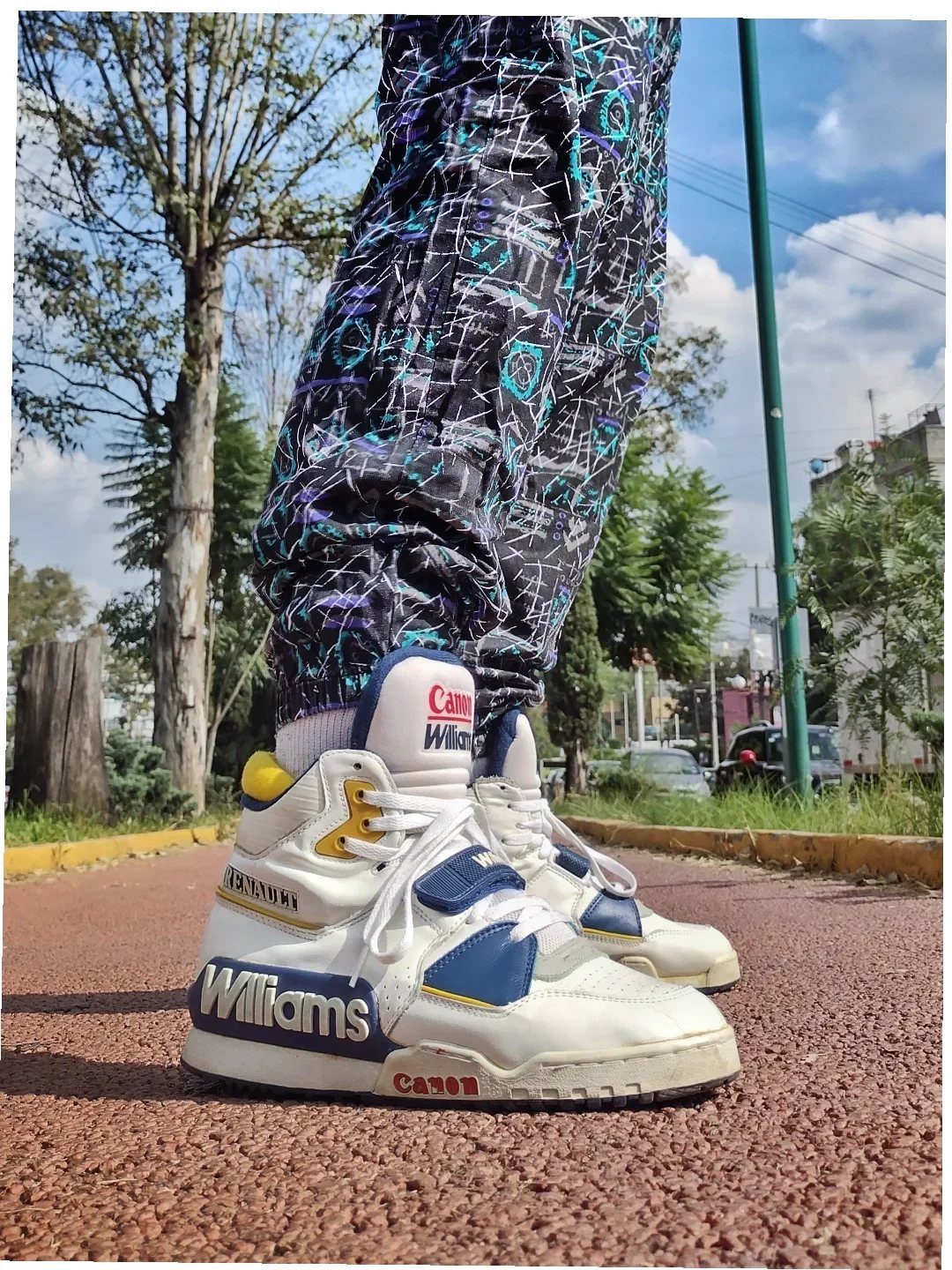
The high collar supports your ankle on uneven ground, and the flat sole grips better than a running shoe’s cushioned heel.
White leather with a contrasting stripe or logo panel keeps the look clean and gives you a detail that ties into your pants or shirt.
Look for a padded tongue and a lace-up closure that goes all the way to the top so you can adjust the fit around your ankle.
I’d pair them with tapered or straight-leg pants, cuffed once to show the full height of the shoe.
7. Grey Crewneck and Baggy Jeans
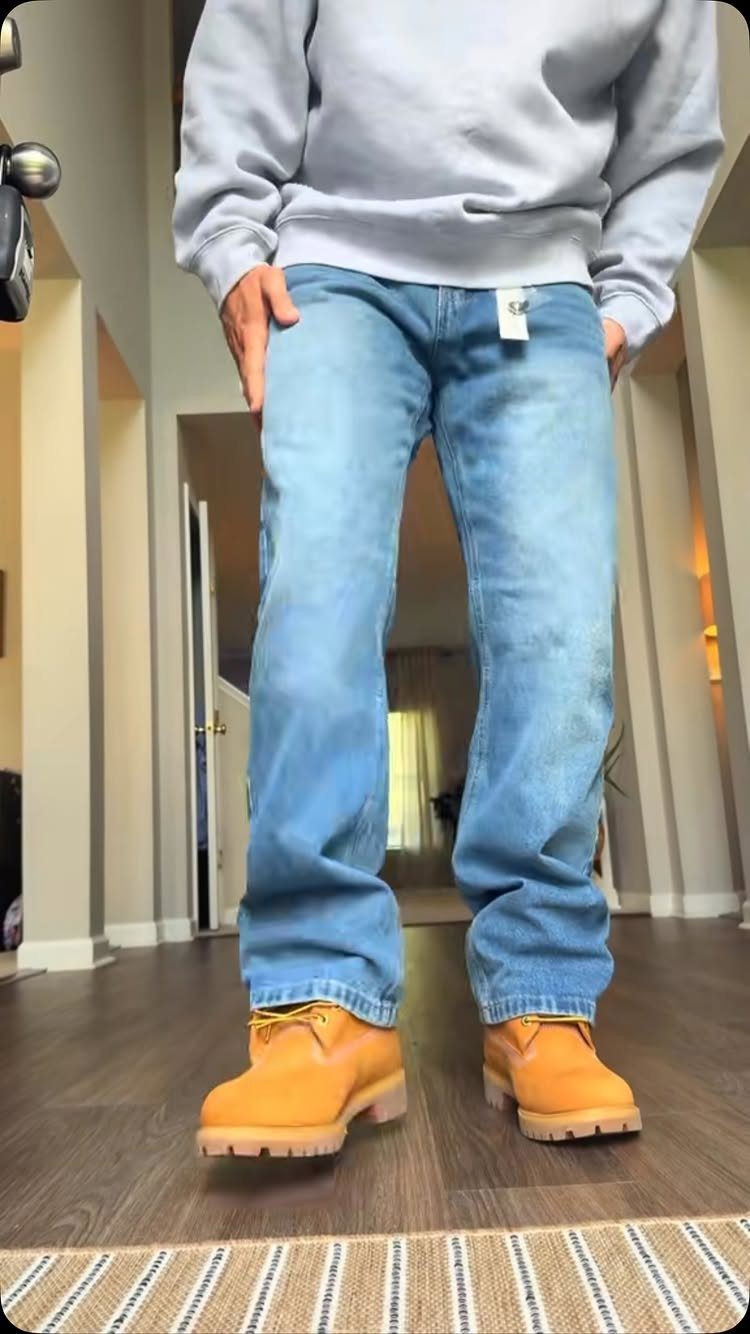
The loose fit through the legs balances the fitted crewneck at the top, and the light wash keeps the whole outfit soft without losing shape. Tan boots ground the look with a bit of weight at the ankle.
Choose a sweatshirt that sits just below your belt so it doesn’t get lost in the volume of the jeans.
I’d go for a mid or high rise on the jeans so they sit where they should without sagging. Cuff them once if they pool at the ankle.
8. Plaid Flannel Grunge Style
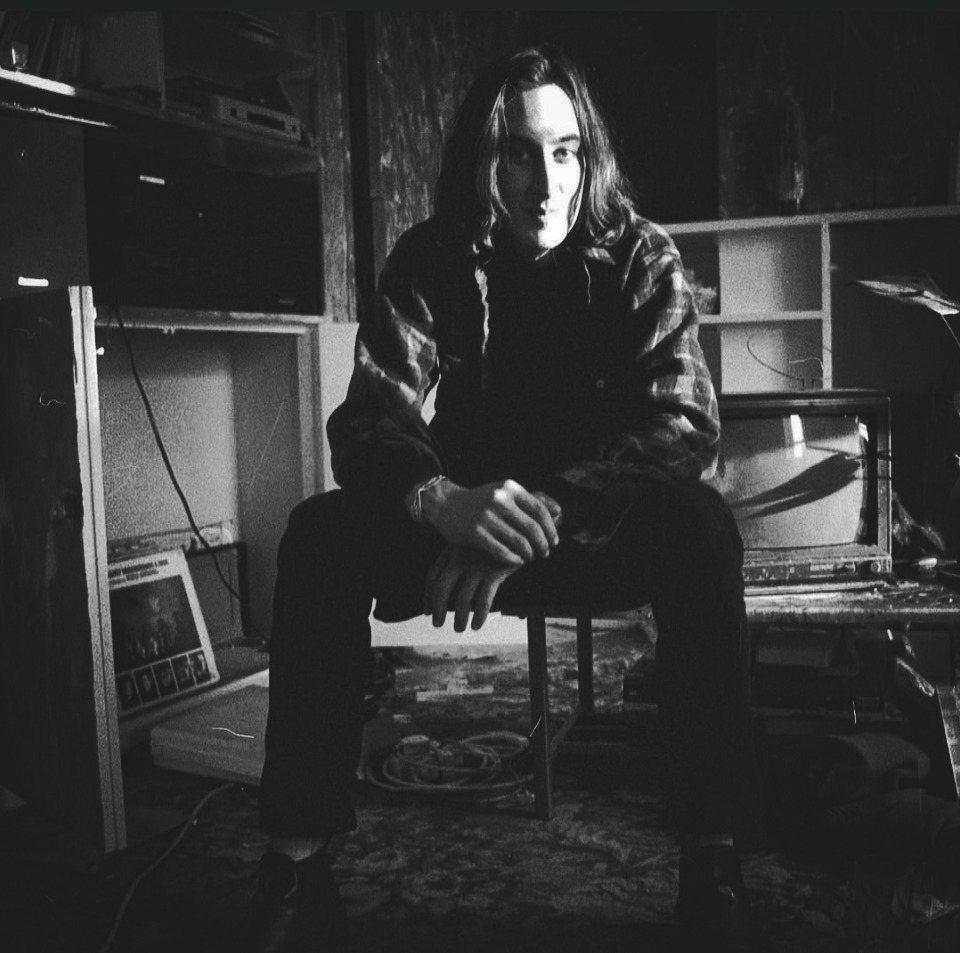
The loose fit and soft cotton make flannel easy to layer or wear on its own, and the plaid pattern adds texture without requiring anything else in the outfit.
Dark pants keep the focus on the shirt and let the pattern breathe.
Button it all the way up or leave it open over a plain tee, both work.
I’d choose a flannel that’s slightly oversized across the chest and upper body so it drapes naturally when you move. Red, black or green plaid pairs best with black or grey denim.
9. Oversized Blazer with Jeans
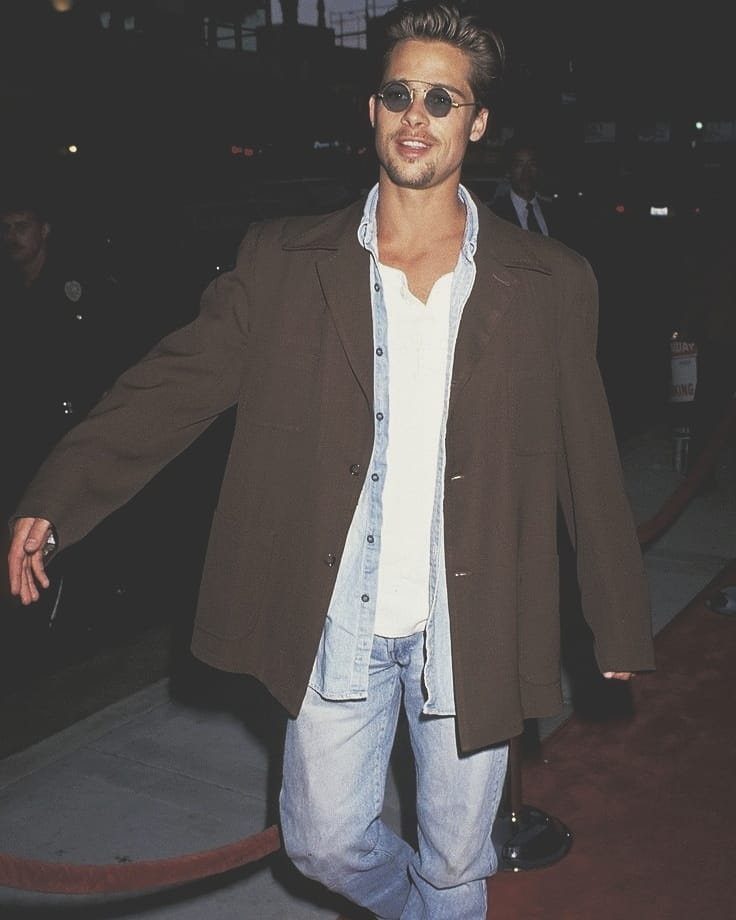
The oversized blazer softens the formality of tailoring and gives you room to layer a shirt and tee underneath without looking bulky.
Leaving the shirt unbuttoned adds a third layer of texture, and the light jeans keep the whole thing casual.
Size up one or two from your usual blazer fit so the shoulders drop slightly off your natural line.
Brown or tan suiting fabric works better here than grey or navy, it reads less like a work uniform. Roll the sleeves once to show the shirt cuff underneath.
10. Denim Overalls with T-Shirt
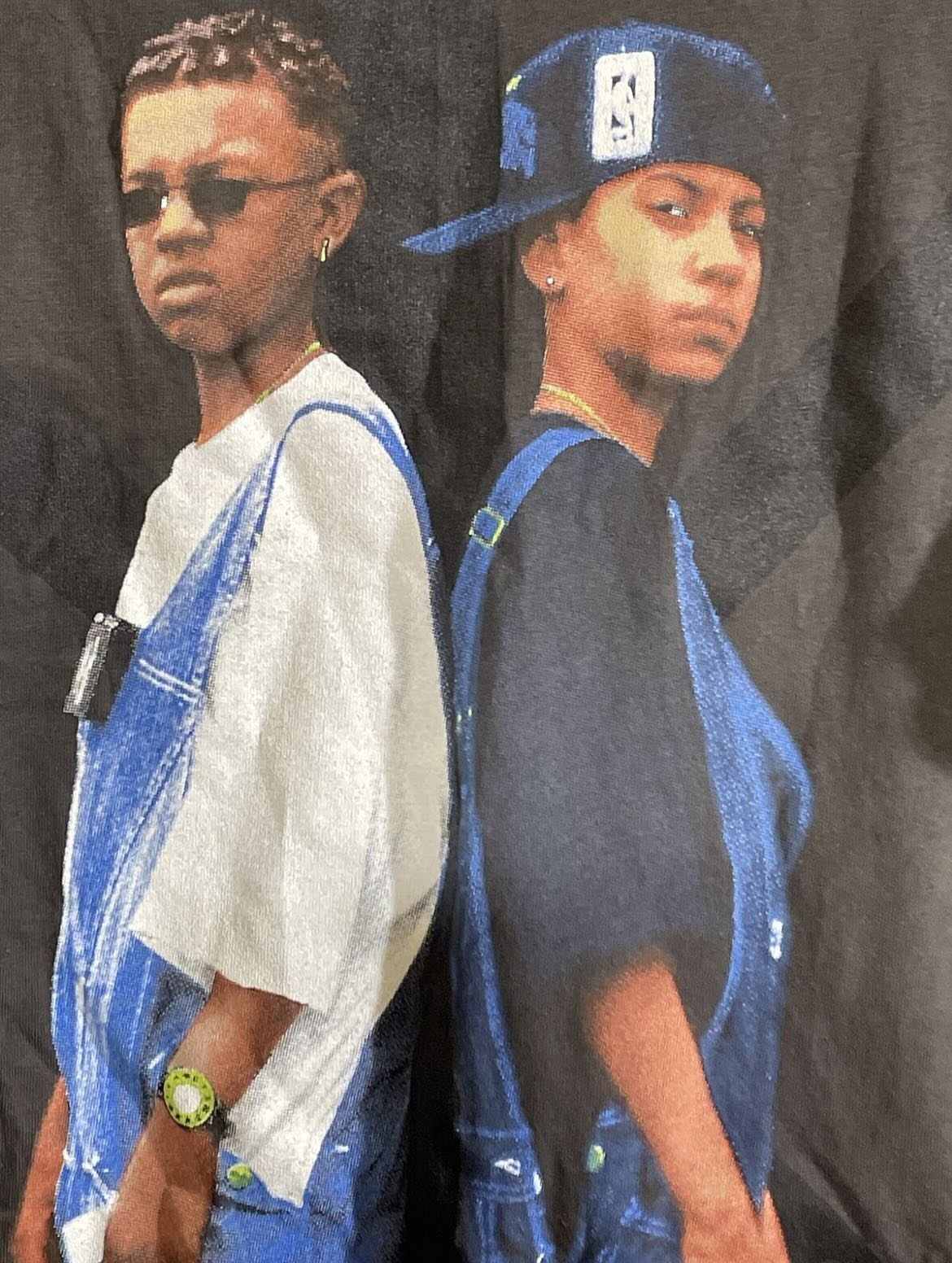
The denim ages well with wear, and the fit stays comfortable whether you fasten both straps or leave them loose. A plain tee underneath keeps the outfit simple and lets the overalls carry the 90s reference.
Go for a straight or slightly tapered leg so the overalls don’t swallow your shoes.
I’d size them so the bib sits flat against your chest without gaping. Black, white or grey tees work best, and low-top sneakers keep the proportions clean.
11. Checkered Blazer and Tie
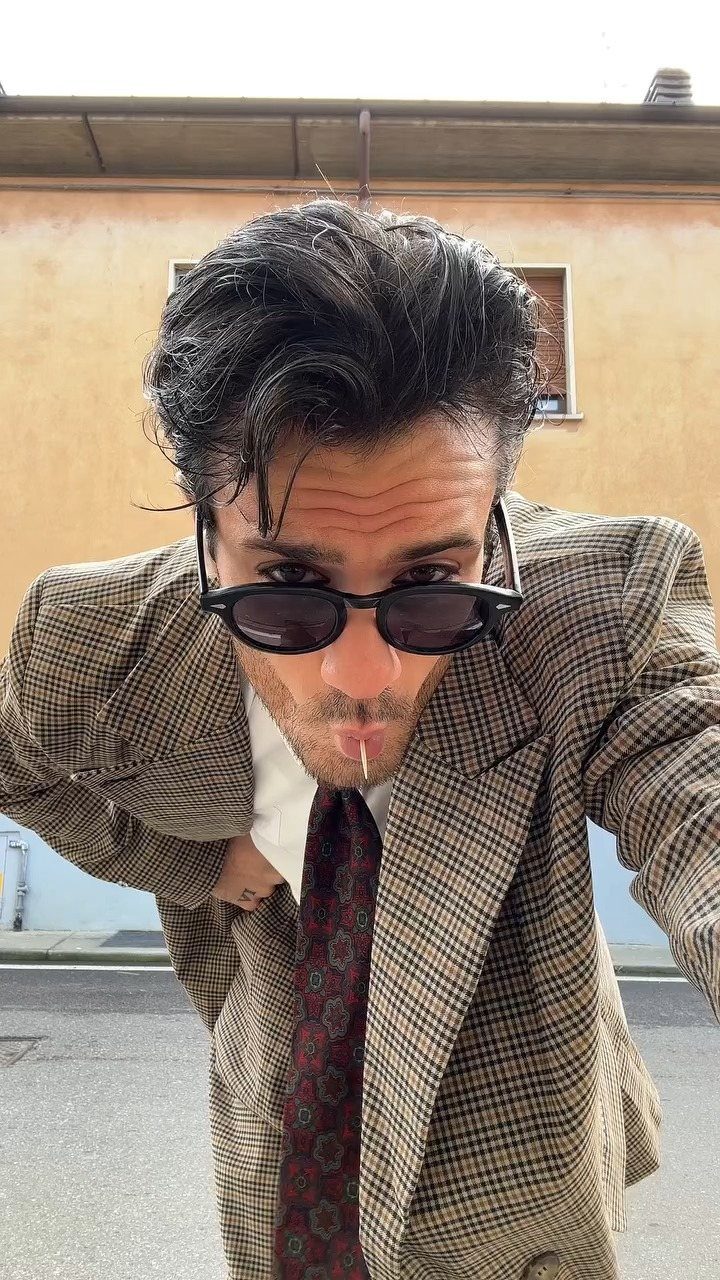
The checkered blazer adds structure and pattern at once, and pairing it with a tie brings back the dressed-up casual look that defined early 90s style. Small sunglasses finish the look with a retro detail that doesn’t overpower the rest.
Choose a blazer with checks large enough to read from a few feet away, too small and they blur together.
The tie should pick up one color from the check pattern. I’d wear this with dark trousers rather than jeans so the blazer stands out.
12. Color-Block Sportswear with Shorts
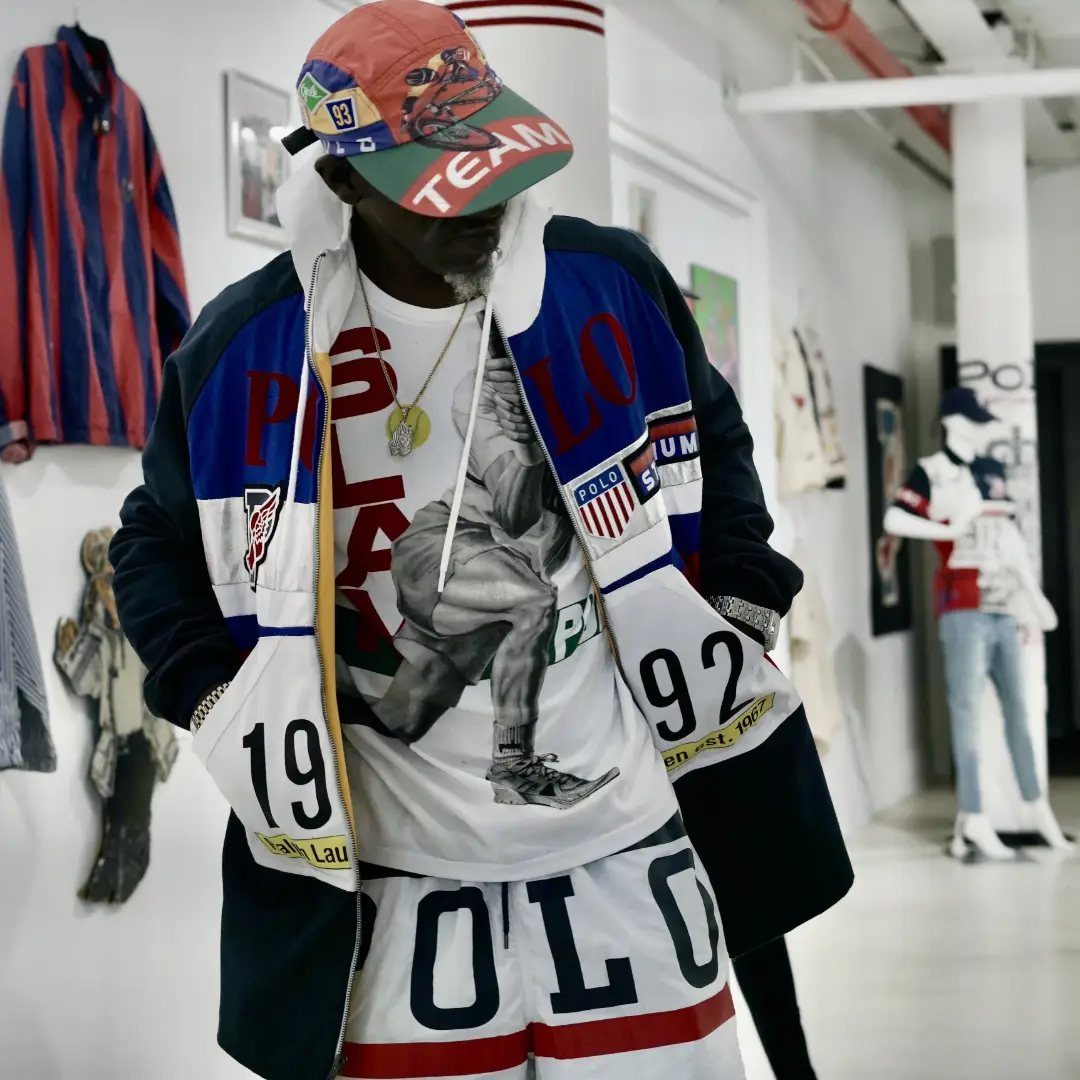
The jacket’s color-blocking in red, white and blue gives you instant presence, and the graphic tee layers underneath while the jacket still holds your eye. Athletic shorts and a cap keep the whole outfit rooted in sportswear rather than streetwear.
Look for a jacket with panels that divide evenly across the chest and sleeves, uneven blocking throws off the proportions.
I’d keep the shorts solid in navy or black so the jacket does the work. White sneakers tie into the jacket’s palette and keep the look cohesive.
Mixing 90s Styles
Pair one 90s piece with the rest of your outfit pulled from what you’d wear today. A windbreaker or flannel works over a plain tee and modern chinos.
Cargo pants sit fine under a fitted crewneck. The point is to avoid looking like you dressed for a theme party.
When the 90s piece is bold, a patterned shirt or color-blocked jacket, keep everything else muted. Black or grey trousers, white sneakers, no competing details.
The decade’s style leaned casual and comfortable, not polished, so these pieces read wrong in a formal work setting. Save them for weekends or evenings out.
Stylists suggest blending small bits of the era into your wardrobe rather than committing to a full revival. That means one item at a time, chosen for fit and worn with intention, not nostalgia.
Comfort in 90s Fashion
The shift toward comfort in the early 90s brought looser cuts and lighter fabrics.
Cotton and linen replaced heavier materials, and fits opened up across the chest and through the leg. Men moved away from the structured, fitted looks of the 80s and into something easier to wear all day.
That comfort showed in the popularity of oversized sportswear, relaxed denim, and soft knits.
Athletic wear crossed into casual settings, and sneakers became acceptable outside the gym. The decade’s broader color palette and emphasis on self-expression gave men more room to dress for how they felt, not just how they were supposed to look.
The looser silhouette works today when balanced with one fitted element, a tapered pant or a closer-cut top.
Casual Wear Guidelines
90s fashion was built for comfort, not for looking dressed up, and that limits where it belongs.
The relaxed fits, soft fabrics, and sportswear influences read too casual for most work environments. Stylists advise against wearing 90s pieces in professional settings, where the emphasis on polish and structure runs counter to the decade’s laid-back approach.
Weekends, date nights, and off-duty hours are where these clothes make sense. The baggy jeans, windbreakers, and flannel shirts that defined the era fit naturally into low-key plans, not business meetings.
Save 90s style for weekends and casual settings. Blend one piece into an otherwise modern outfit, and let everything else stay simple.
Frequently Asked Questions
What fashion was popular in 1992?
Casual comfort led 1992 style, with flannel shirts, baggy jeans, and oversized sportswear replacing the structured fits of the 80s. Grunge brought plaid and loose layers, while athletic wear moved into everyday settings.
What should a guy wear to a 90s themed party?
A plaid flannel shirt over a plain tee with dark jeans covers the grunge angle, or go for an oversized windbreaker with solid athletic shorts and white sneakers for the sportswear side.
Keep one piece bold and everything else simple so you look like you dressed for the era, not a costume.
What are some iconic 90s men’s outfits?
Flannel shirts with baggy jeans defined the grunge look, while color-blocked windbreakers and athletic shorts represented the sportswear trend.
Denim overalls with a plain tee and oversized blazers paired with light jeans both captured the decade’s preference for loose, comfortable fits. Each outfit balanced a relaxed silhouette with one or two standout details.