The leather jackets and metallic shirts that lit up clubs sit far from the navy blazers and khaki trousers of preppy dress, but 1984 held both without contradiction.
Pick based on where you’re wearing it: oversized suits with broad shoulders belonged in offices, leather jackets came from rock and punk stages, and velvet track jackets in jewel tones like burgundy worked in clubs where the lighting made metallic shirts glow.
Duran Duran made skinny ties standard for anything slightly formal, while George Michael brought hoop earrings into everyday style.
1. Leather Jackets

The black leather jacket worn over a fishnet shirt and paired with dark sunglasses captures the rebellious edge of mid-’80s rock style. This look borrows directly from punk and metal culture, where the jacket became shorthand for attitude.
If you’re going for this, commit to the details.
A fitted black leather jacket works better than an oversized one here. The sunglasses matter more than you’d think: aviators or wraparound frames from that period hold the look together.
Pair it with slim black jeans and boots. The fishnet layer is optional, but a plain black tee keeps the spirit without going full costume.
2. 1980s Men’s Suits/Business Attire
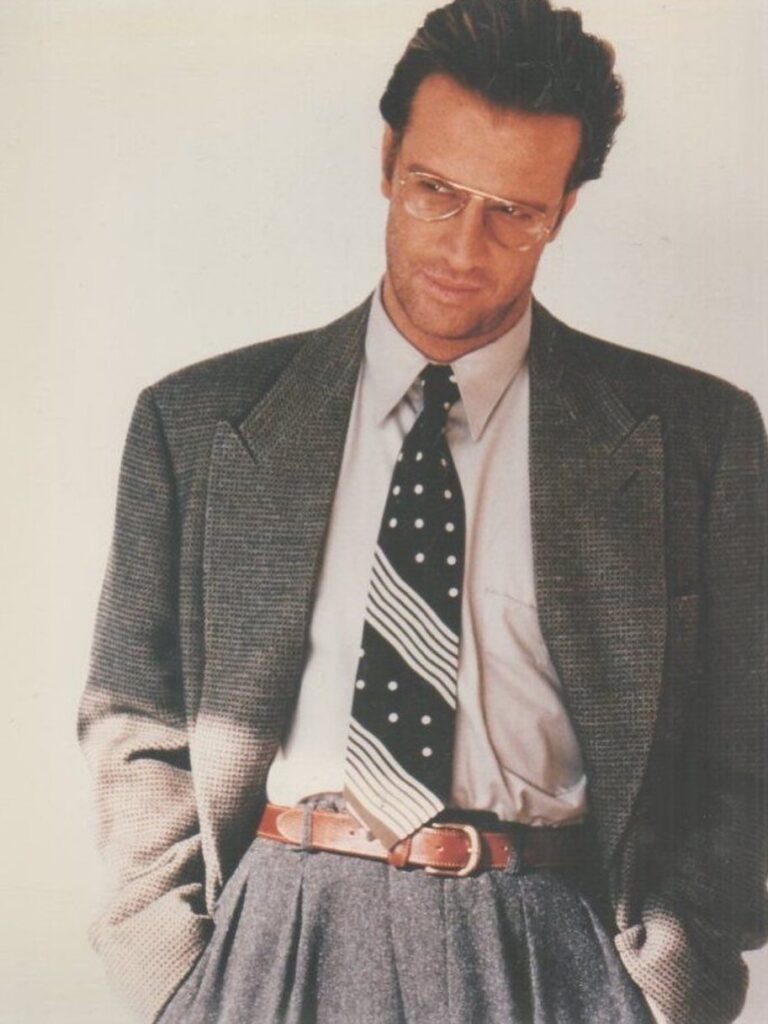
Business suits in 1984 were built wide and full, with shoulder pads that extended the silhouette and trousers that draped loose through the leg. The look was about presence, not precision.
To pull this off today, hunt vintage shops for an authentic ’80s suit or size up deliberately in a modern cut. The shoulder is the defining feature: it should be noticeably broader than your natural frame.
Wear a plain tie in a solid color or narrow stripe, knotted tight against a dress shirt. The fit reads better when everything is slightly oversized rather than mixing one period piece with modern slim tailoring.
3. Bomber Jackets
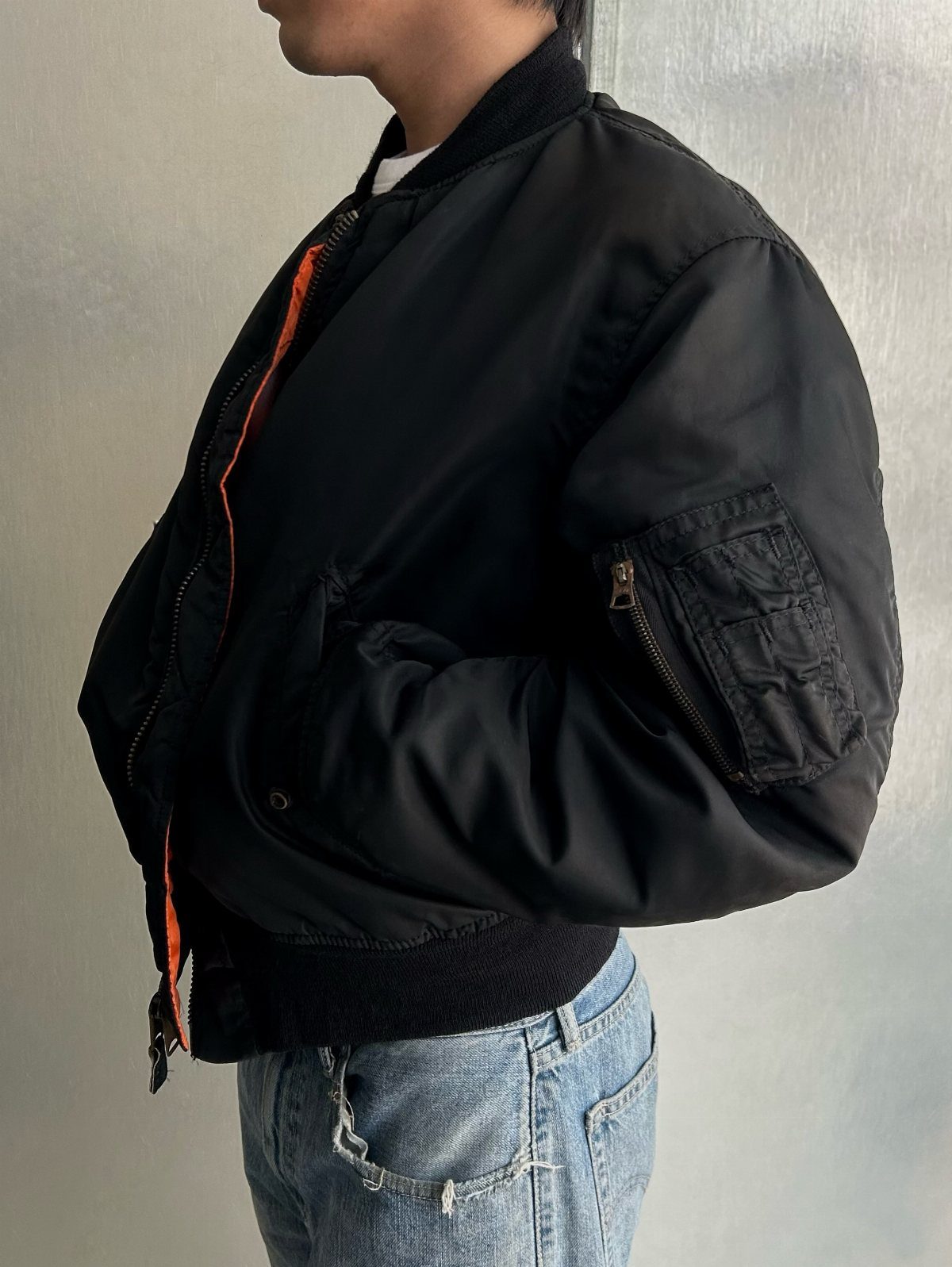
The contrast lining gives you a flash of color when the jacket moves or the cuffs fold back.
Bombers work because they’re simple.
Look for one in black or navy with a zip front and ribbed cuffs. The fit should end at the waist, not below it.
The orange lining adds interest while everything else stays quiet.
4. Denim Jacket with Jeans

Matching denim jacket and jeans, often called a Canadian tuxedo, was widely worn in the ’80s despite its reputation as a style risk.
Break up the blue with a contrasting shirt in a warm tone like rust, tan, or mustard.
Choose jeans in a darker wash than the jacket, or vice versa. The tonal difference keeps the outfit from reading as one solid block of denim.
Tan or brown shoes ground the look. A polo or button-down shirt in a warm color, like the rust one visible here, adds enough contrast to make the denim pairing intentional rather than accidental.
5. Sweater Draped Over Shoulders
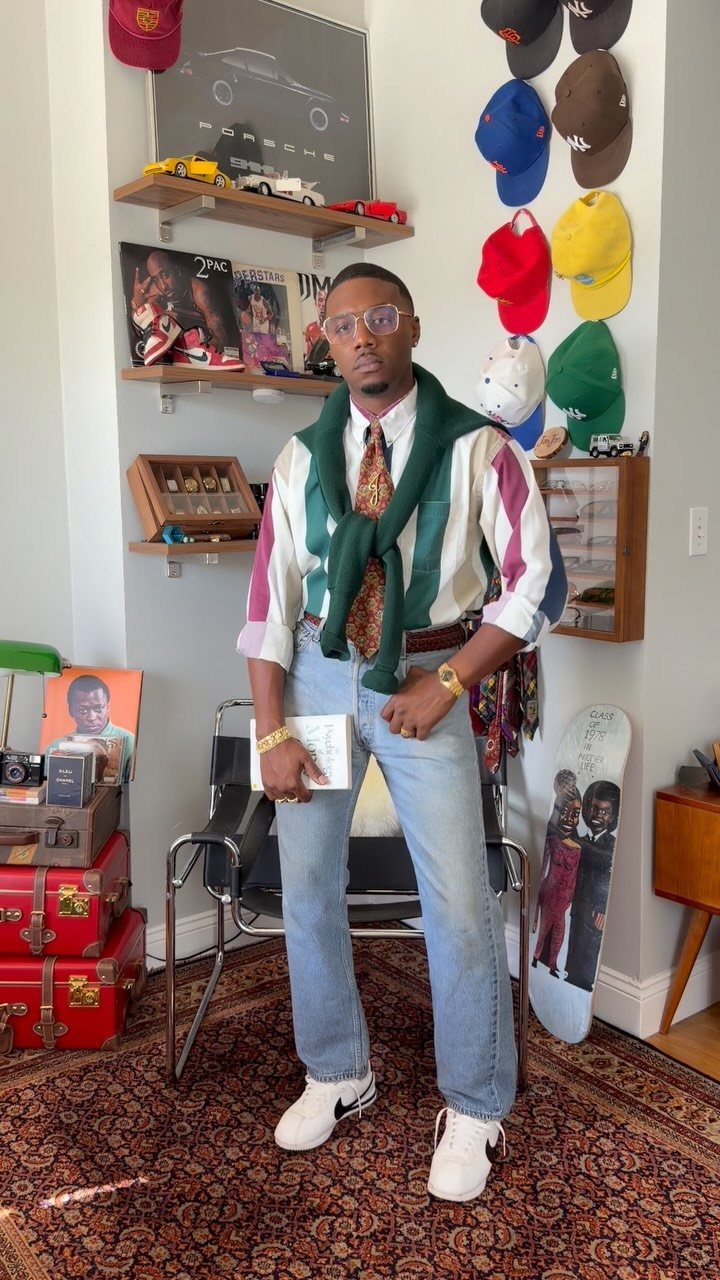
Tying a sweater over your shoulders was a hallmark of ’80s preppy style, and the look here pairs it with a patterned button-down, necktie, and light-wash jeans.
The green knit sweater adds a layer of color and texture while keeping the silhouette slim.
Choose a lightweight crewneck or V-neck sweater and drape it so the sleeves cross loosely at your chest. The knot should sit flat, not bunched.
Light-wash jeans were everywhere in the ’80s, and they balance the formality of the tie. Skip this if you’re broad in the shoulders; the draped sweater can make the upper body look wider than it is.
6. Classic Preppy Blazer and Khakis
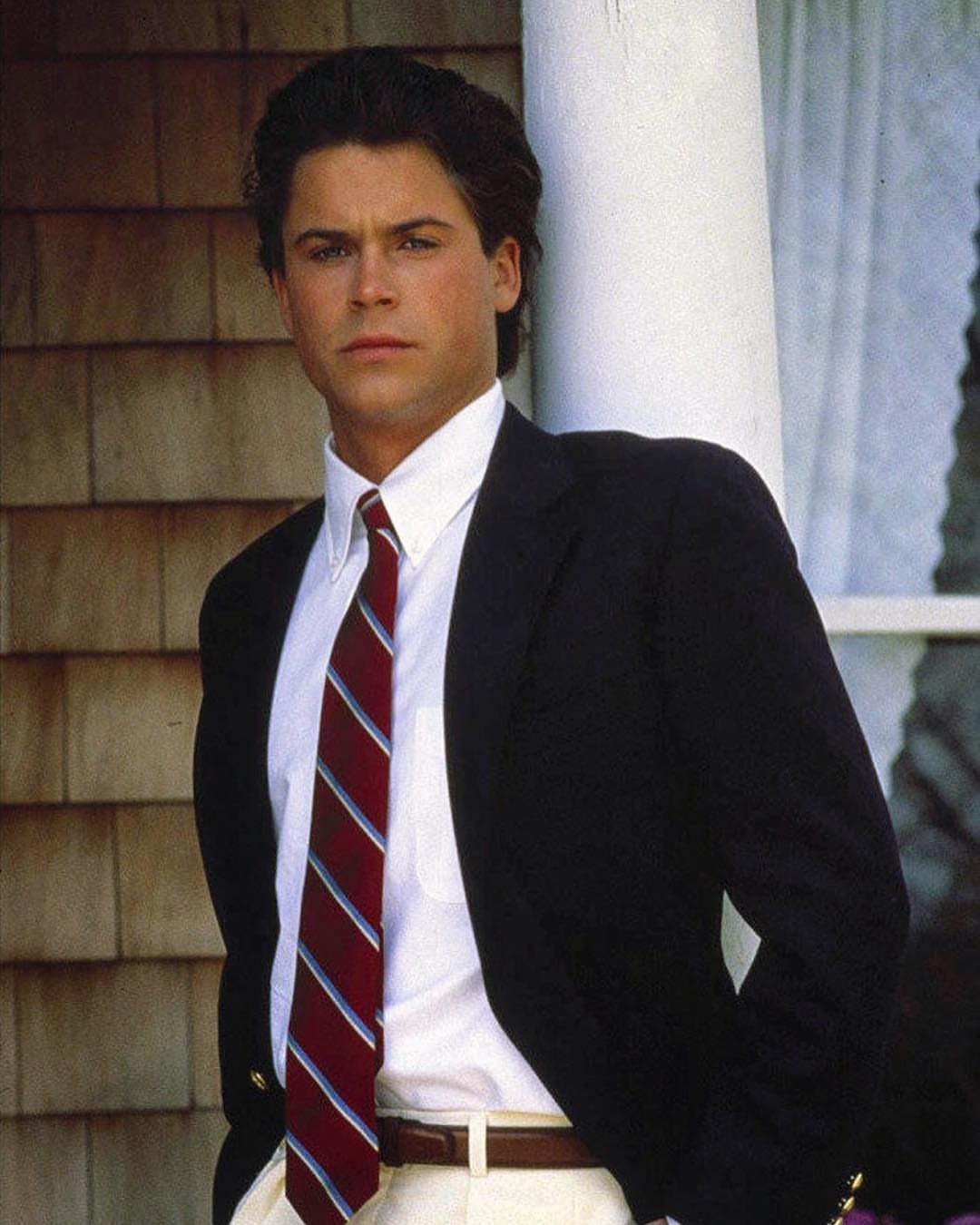
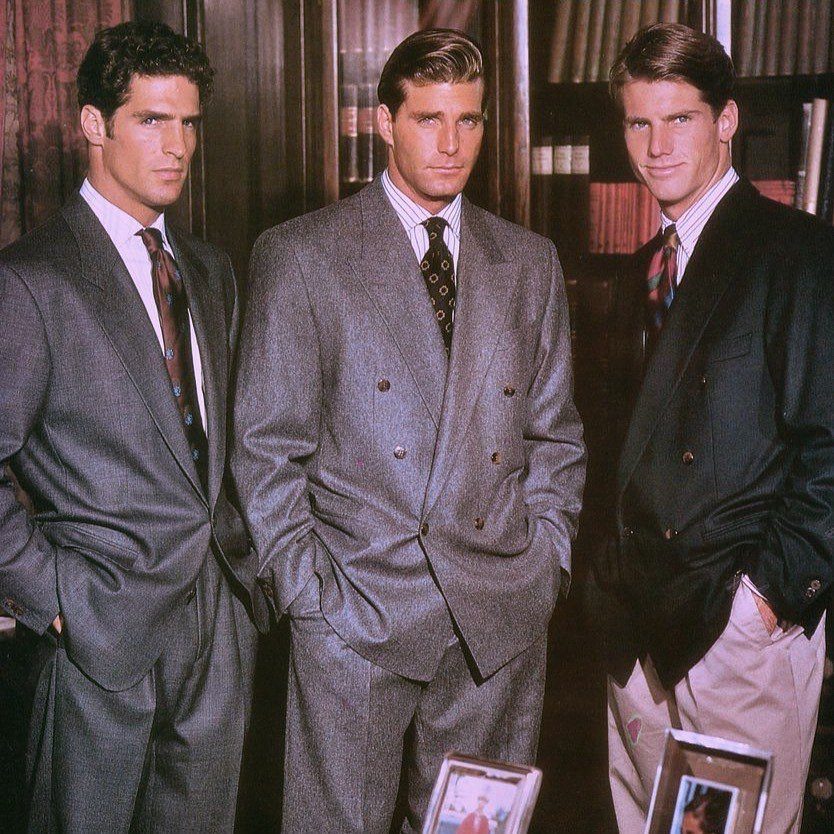
A navy blazer, white dress shirt, striped tie, and khaki trousers form the backbone of American preppy style, and the look hasn’t changed much since 1984.
The navy-and-khaki pairing is reliable because it works in almost any setting where you need to look put together.
Fit the blazer through the shoulders and chest, but allow a little room through the body. The tie should be narrow to medium width, not the wide neckwear of earlier decades.
Brown leather shoes or loafers finish this cleanly. If the blazer feels too formal, swap the tie for a knit version or go without it entirely.
7. Velvet Track Jacket
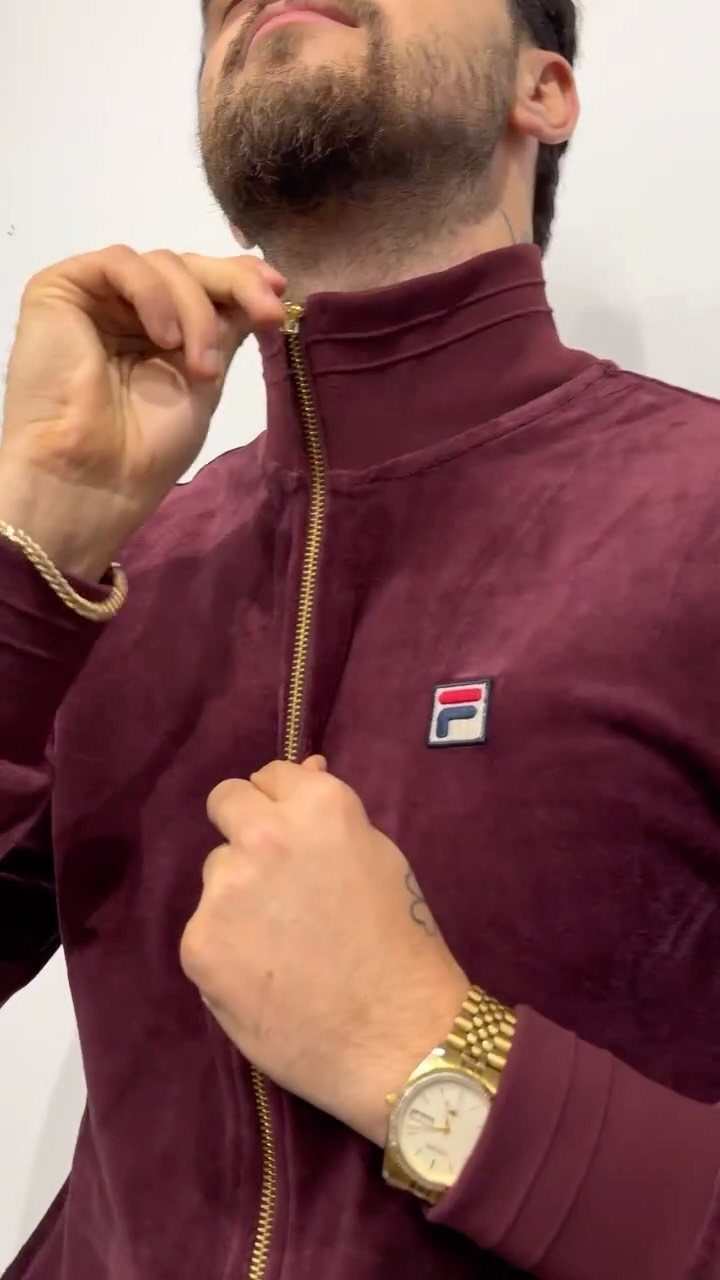
Velvet track jackets, worn with gold chains and watches, merge athletic styling with the luxury fabrics that defined ’80s club fashion. The maroon color and plush texture stand out more than standard nylon tracksuits.
Look for a velvet track jacket in a jewel tone like burgundy, emerald, or navy. Fila made versions of these in the mid-’80s, but other sportswear brands carried similar styles.
Pair it with dark jeans or track pants, and white sneakers.
The gold jewelry adds shine without competing with the velvet. This reads best when you’re lean through the chest and shoulders.
8. Wall Street Suspenders Style
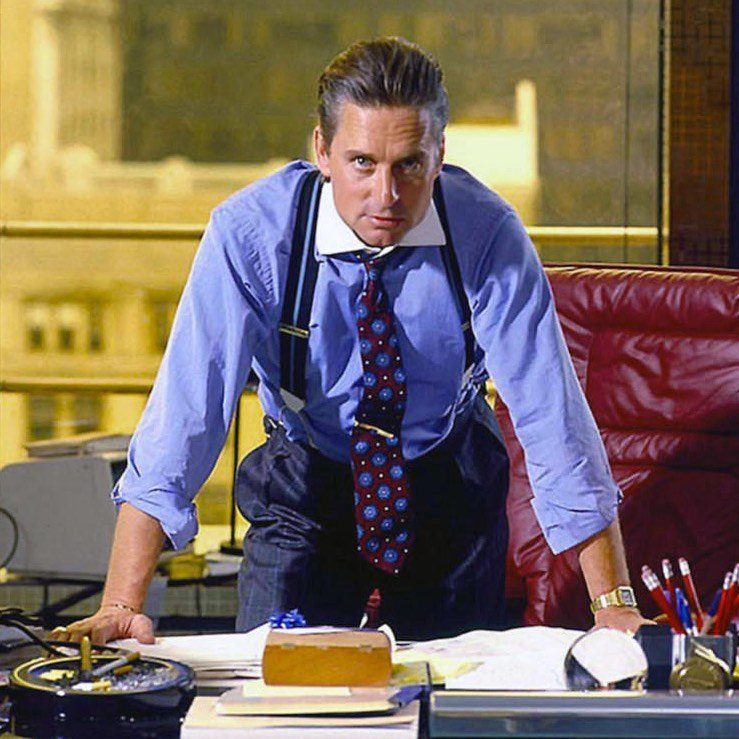
Suspenders over a dress shirt, worn with the tie still on, were standard in finance and law offices through the ’80s. The look signals long hours and rolled-up sleeves without actually removing the formality.
Choose suspenders in a solid color or subtle pattern that doesn’t fight the tie. Button them to trouser buttons sewn inside the waistband, not clips.
The shirt works best in blue or white.
Skip the jacket for the full Wall Street effect. This look requires confidence: suspenders draw attention, and you’ll feel it.
9. Retro Skater Streetwear
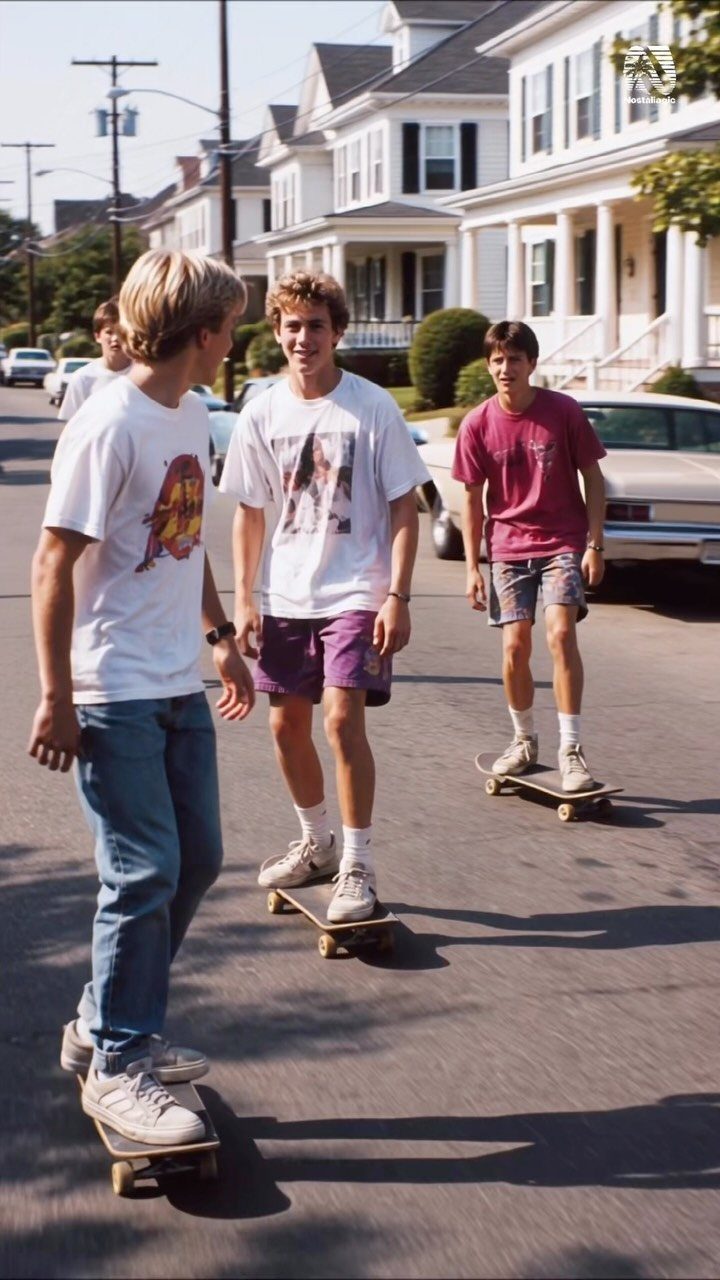
Oversized graphic tees, loose shorts or jeans, and white sneakers with tall socks formed the uniform of skate culture in the mid-’80s. The fit was relaxed for movement, and the graphics usually referenced bands, skate brands, or surf companies.
Find vintage or reissue tees from brands like Vans, Powell Peralta, or Santa Cruz.
The shirt should hang past your hips. White high-top sneakers or Vans slip-ons complete it.
Wear crew socks pulled up. The looser fit works on most body types, but the proportions fall apart if you size up too far.
10. Metallic Clubwear Shirt
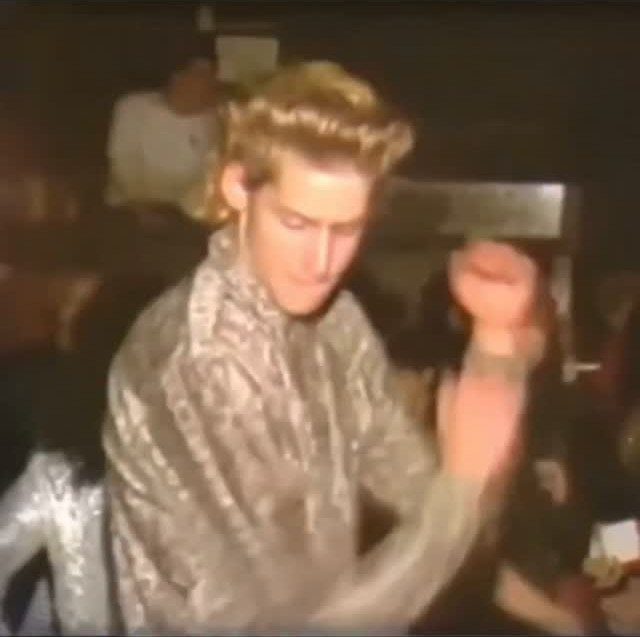
Metallic shirts in silver, gold, or bronze were worn in clubs and parties where the lighting made them glow. The fabric catches movement and reflects color, so the effect depends on where you wear it.
Choose a fitted metallic shirt in a solid color.
Polyester blends hold the shine better than cotton. Pair it with black trousers or dark jeans to keep the focus on the shirt.
This is a night look, not a daytime one.
The shine reads as costume under natural light. If you’re broad through the chest, the metallic fabric will emphasize it further.
11. Overcoat Over Slouchy Separates
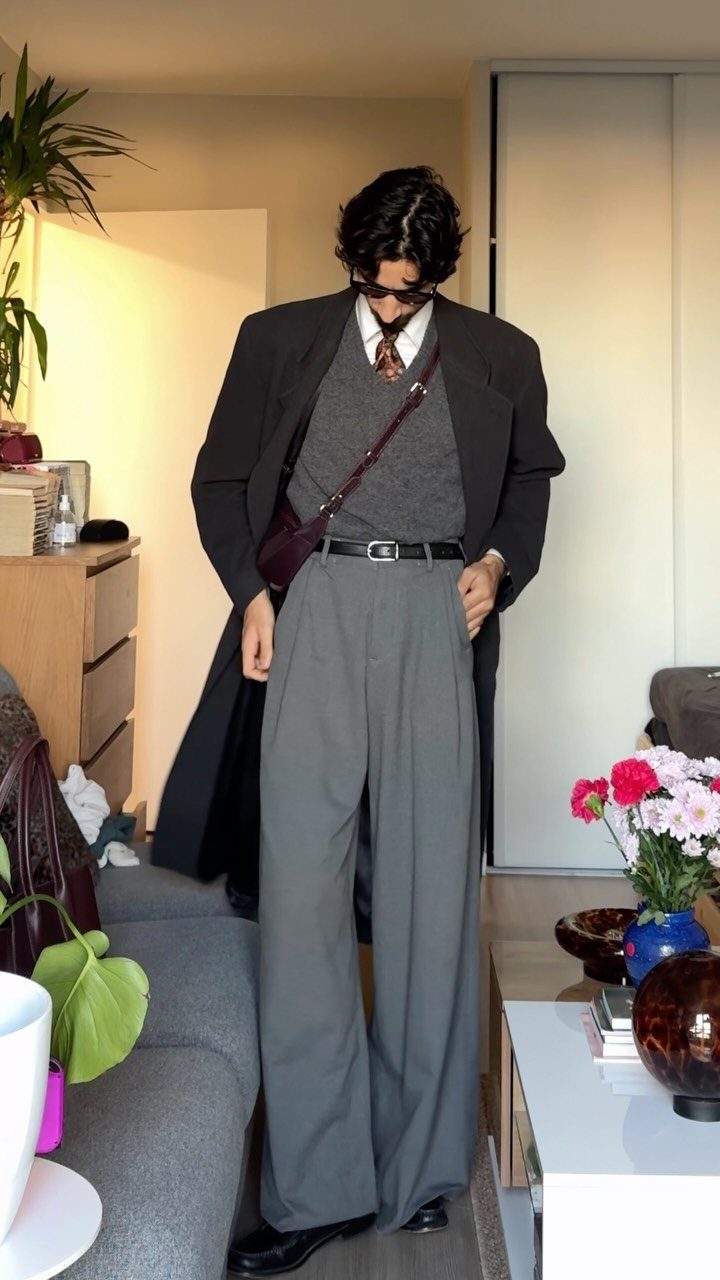
A long black overcoat layered over a sweater, shirt, tie, and wide-leg trousers mirrors the oversized tailoring that dominated the mid-’80s. The coat extends the silhouette vertically while the wide trousers add volume below.
Look for a single-breasted overcoat that falls to mid-thigh or just above the knee. The trousers should have a high rise and a relaxed leg that tapers slightly at the hem.
Grey or charcoal trousers pair cleanly with the black coat. This works best if you’re tall; shorter frames risk looking buried under the volume.
12. Oversized Belted Jacket
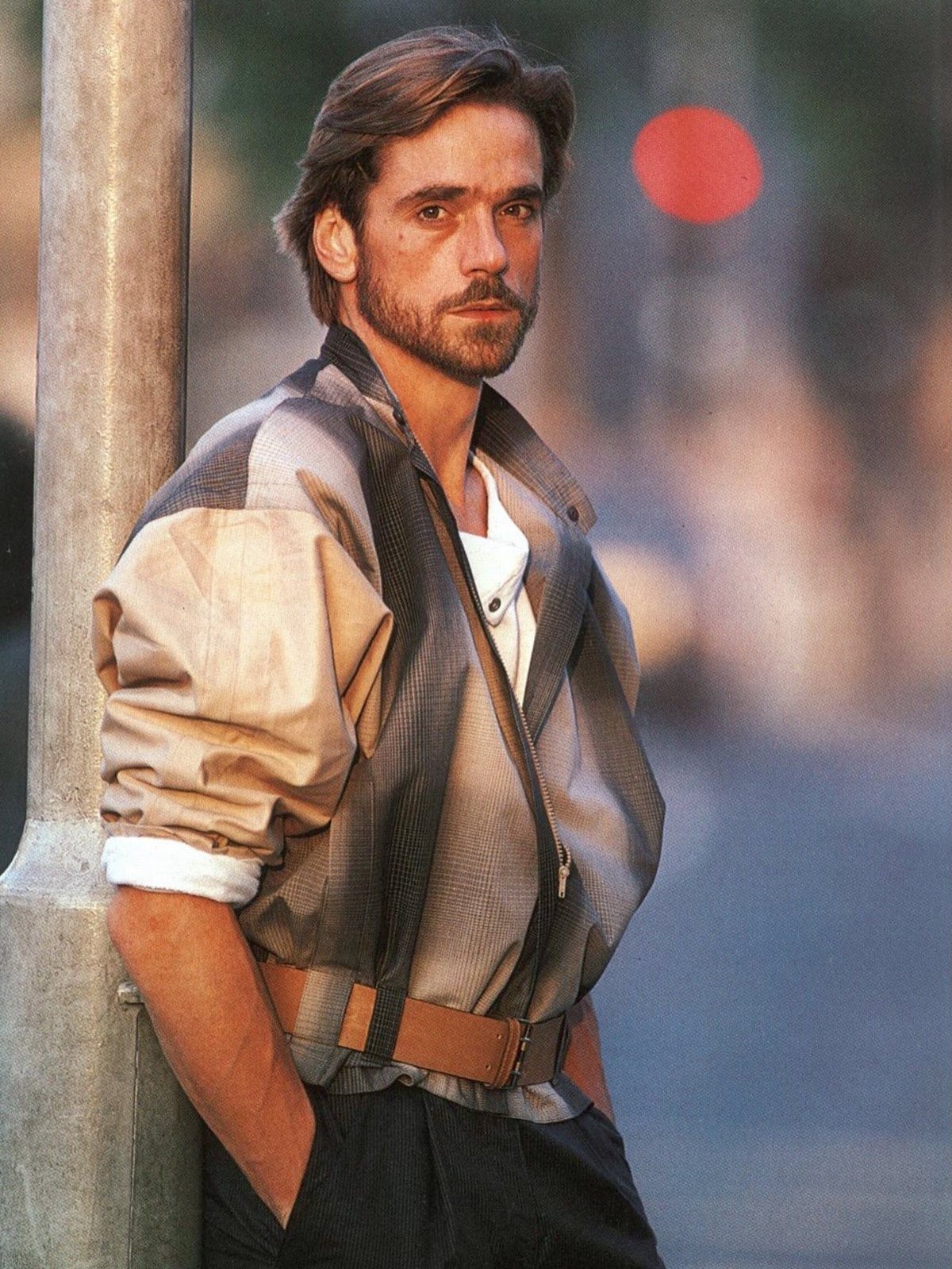
A wide leather belt worn over an oversized patterned jacket cinches the waist and adds structure to a silhouette that would otherwise read as shapeless. The belt breaks up the jacket’s volume and creates a defined midpoint.
Choose a belt in tan, brown, or black, wide enough to stand out. The jacket should be oversized in the shoulders and body, in a bold pattern like plaid, geometric print, or abstract shapes.
Pair it with dark trousers in a slim or straight cut.
The contrast between the wide jacket and narrower pants keeps the proportions readable. This look requires commitment: the belt and pattern together make a strong statement.
Materials and Fabrics
Acid-washed denim delivered the marbled, faded finish that made double denim looks stand out. The acid-wash process created uneven tones across the fabric, turning a standard jean jacket or pair of jeans into something visually distinct.
Lycra and spandex made activewear fit close to the body. The stretch let you move freely while keeping the silhouette lean, so these fabrics turned up in leggings, swimwear, and performance gear.
Neon-dyed fabrics required specialist dyeing to reach the electric pinks, greens, yellows, and oranges that defined the fluorescent end of the decade’s color palette. Cotton, polyester, and lycra blends all got the treatment.
Leather appeared in black, colored, and studded forms across rock and punk styles. Full-grain leather jackets, trousers, and accessories were common throughout the decade.
Rayon’s natural drape made it useful for shirts and looser garments where flow mattered more than structure.
Accessories
Duran Duran wore skinny ties regularly, and the style became a recognizable shift in how men dressed for anything slightly formal.
Chunky two-tone watches from brands like Tag Heuer and Rolex became standard on Wall Street and in business settings.
Gold watches in particular carried weight. The Casio CFX-400 calculator watch offered a technical option for those who wanted function over flash.
Sunglasses varied by context. Mono-lens cyclops styles were used for skiing and cycling, while Ray-Ban Wayfarers and round John Lennon frames defined everyday eyewear.
Male piercings gained ground as jewelry stopped being taboo and became a real way to show individuality. George Michael popularized the hoop earring, and some men, including Johnny Depp, wore multiple earrings.
Hairstyles
Volume defined men’s hairstyles in 1984. The Armani Cut featured mid-length curls brushed back, sometimes short on the sides and long on top, worn with loose curls or slicked back.
Perms carried over from the ’60s and ’70s, and rock bands like Bon Jovi, Mötley Crüe, and Whitesnake wore wild loose perms cut choppy through the length.
The pompadour referenced rockabilly style. Morrissy wore it, and the polished quiff became recognizable enough that you still see variations of it today.
The mullet appeared on Brad Pitt and David Bowie in its classic form, and on Patrick Swayze and Billy Ray Cyrus in more conservative versions. You saw it in every corner of men’s style that decade.
Feathered hair carried over from the ’70s, worked for any length, and used layers that swept back from the face.
Frequently Asked Questions
What clothing was popular in 1984?
Oversized suits with broad shoulders and full trousers dominated business wear, while leather jackets, acid-washed denim, and velvet track jackets defined casual and club styles.
Preppy blazers with khakis, bomber jackets, and graphic skater tees all had strong presence. The decade favored volume and bold choices across every category.
What should a man wear to an 80s party?
A black leather jacket over a plain tee with slim black jeans captures the rock edge, or go preppy with a navy blazer, striped tie, and khakis.
A velvet track jacket in burgundy or emerald with gold chains works for club style, while an oversized graphic tee with white high-tops and tall socks nails the skater look.
Pick one direction and commit to the details that define it.